
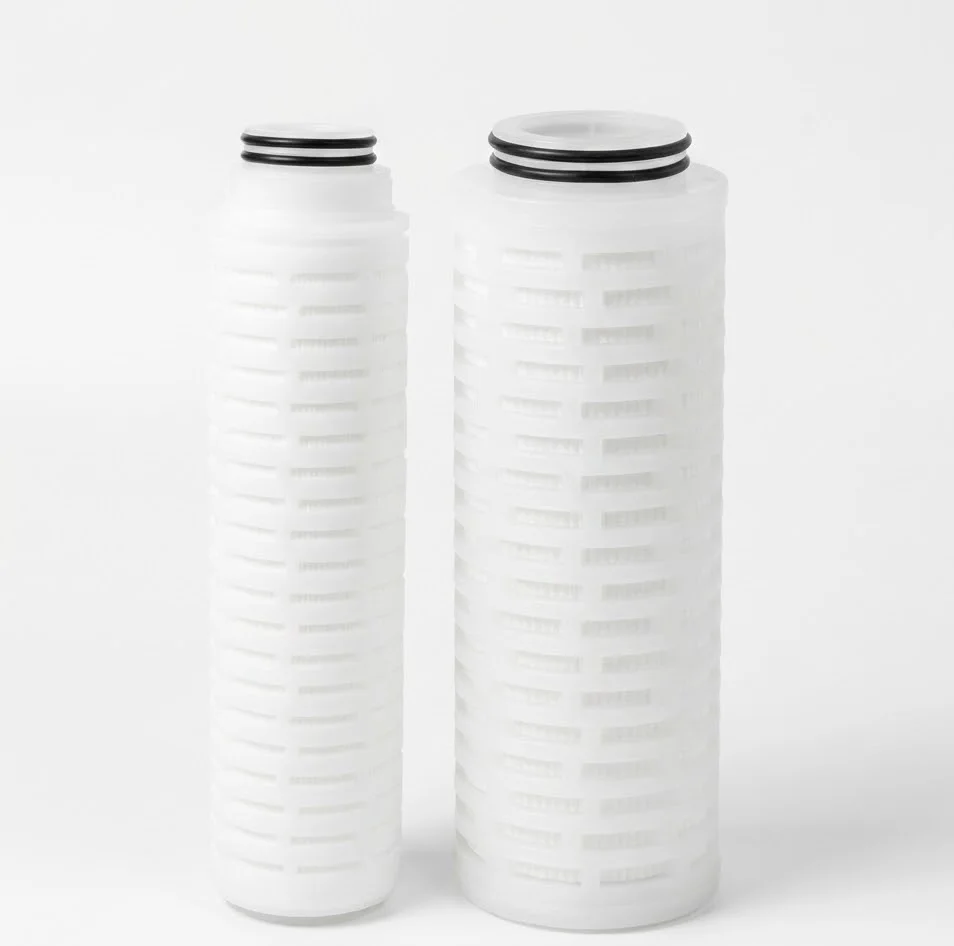
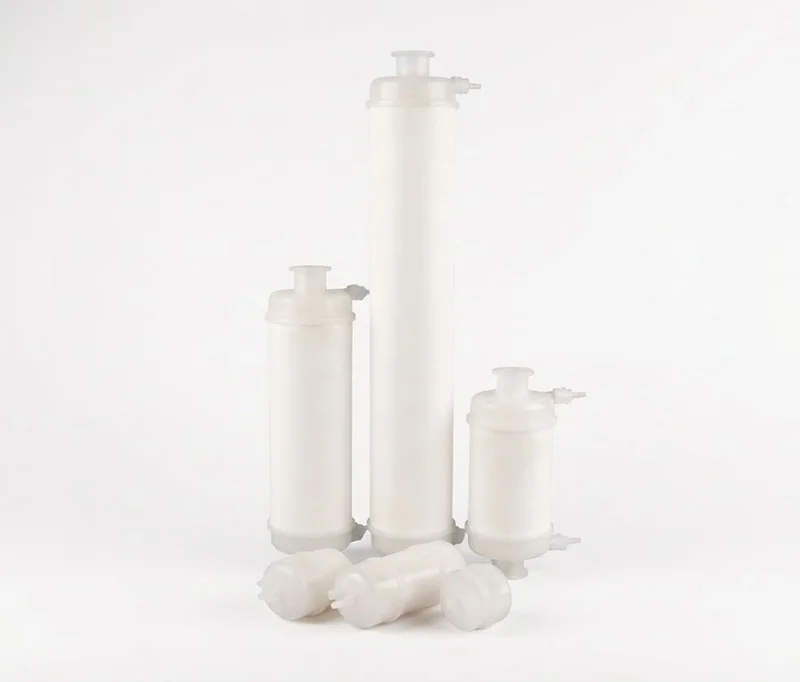
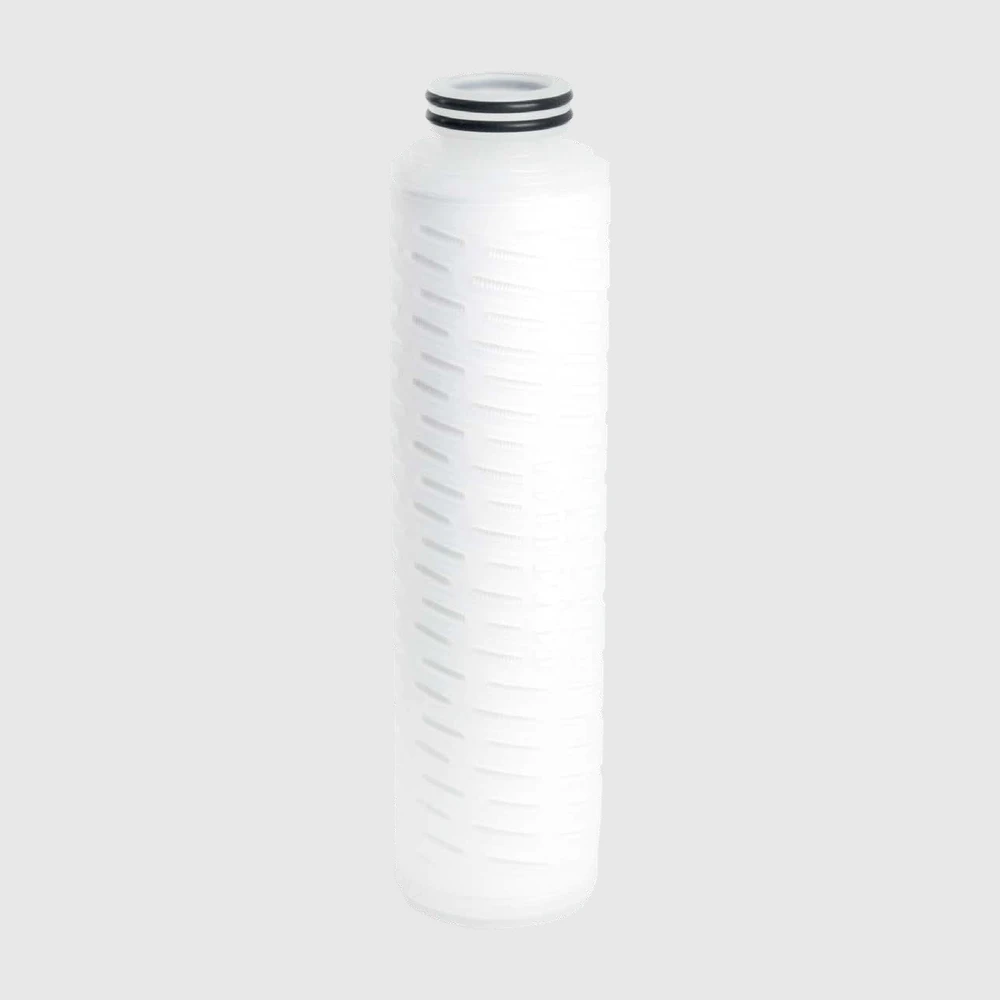
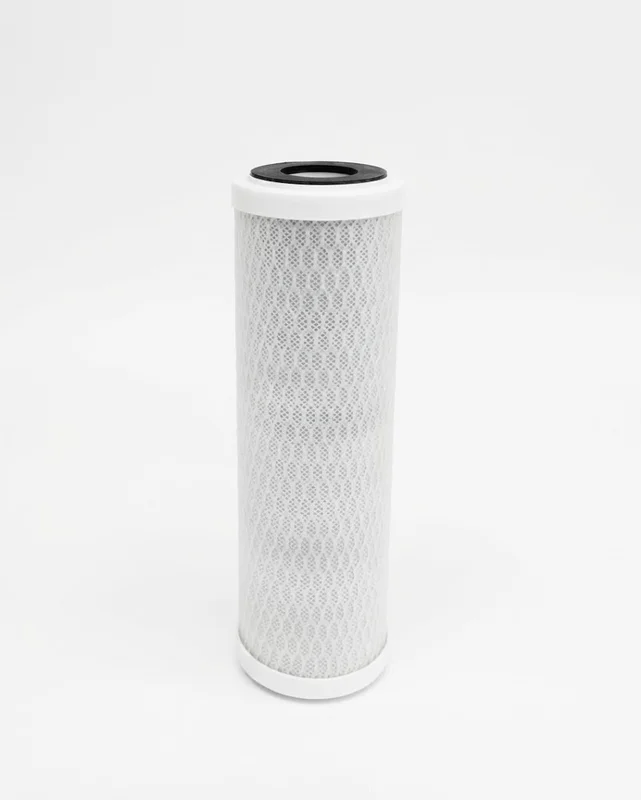
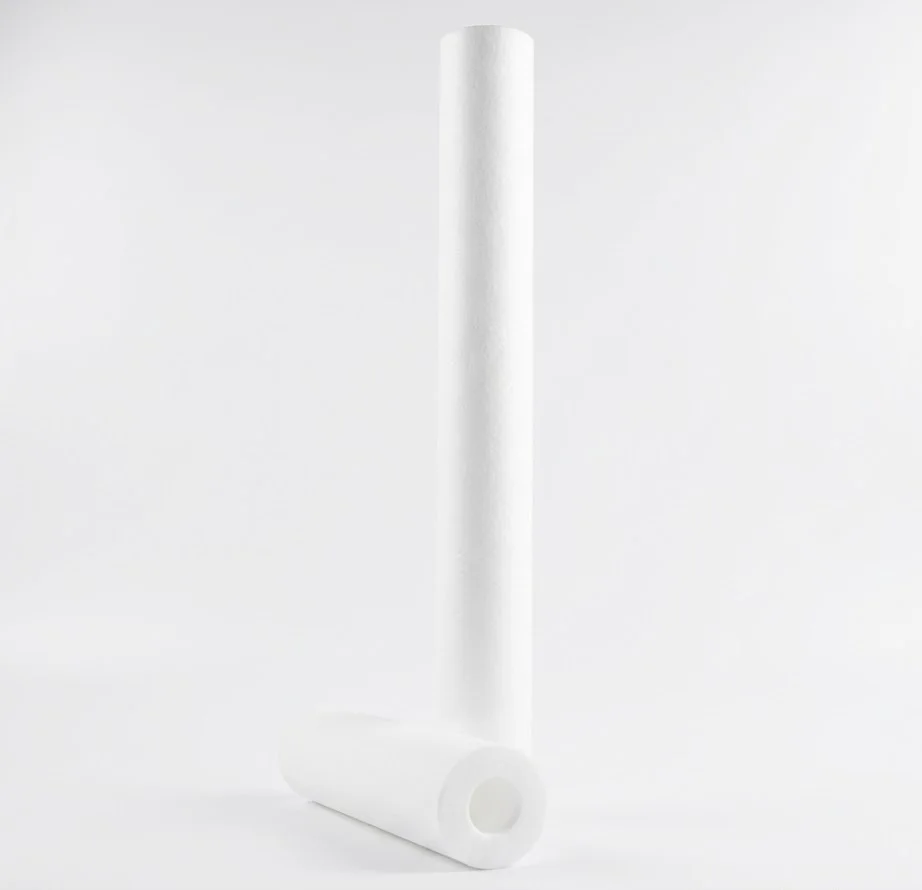
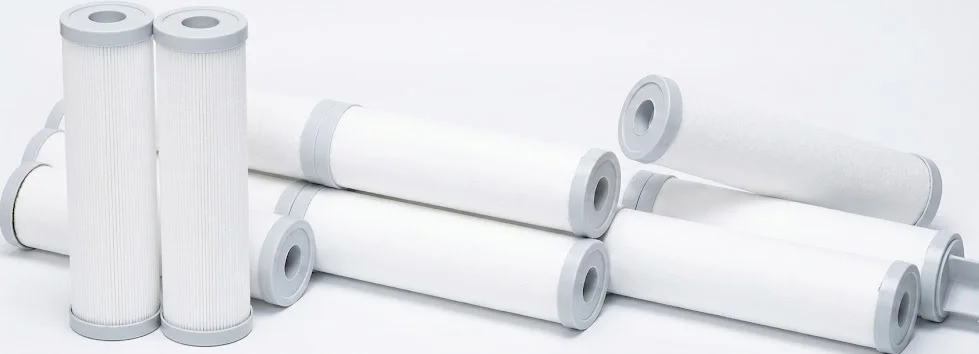
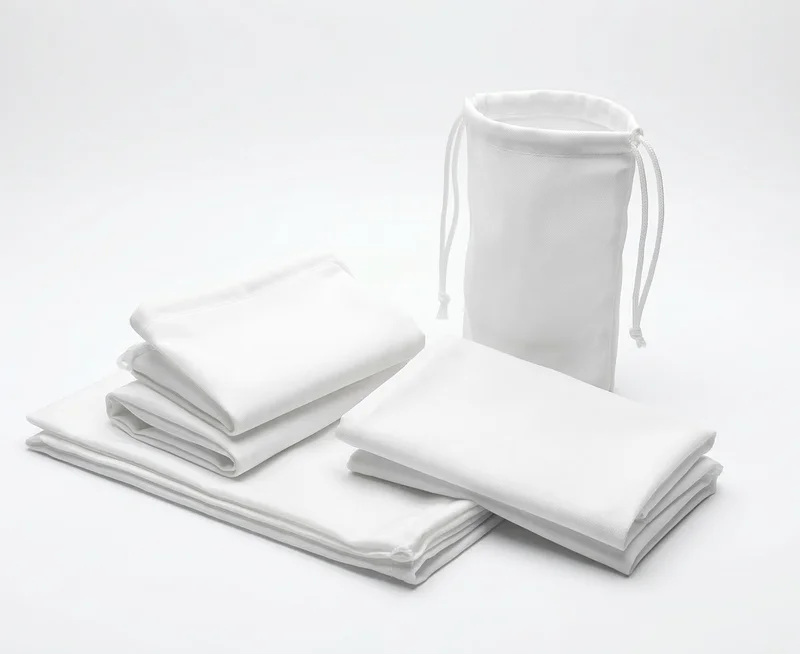
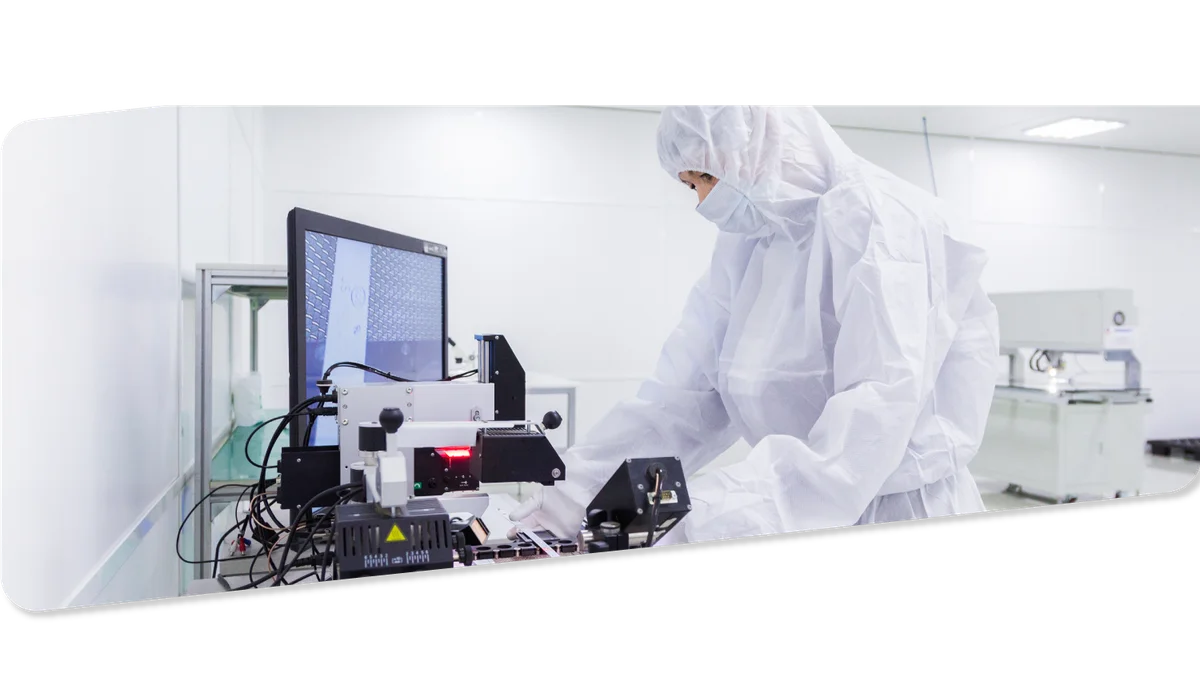
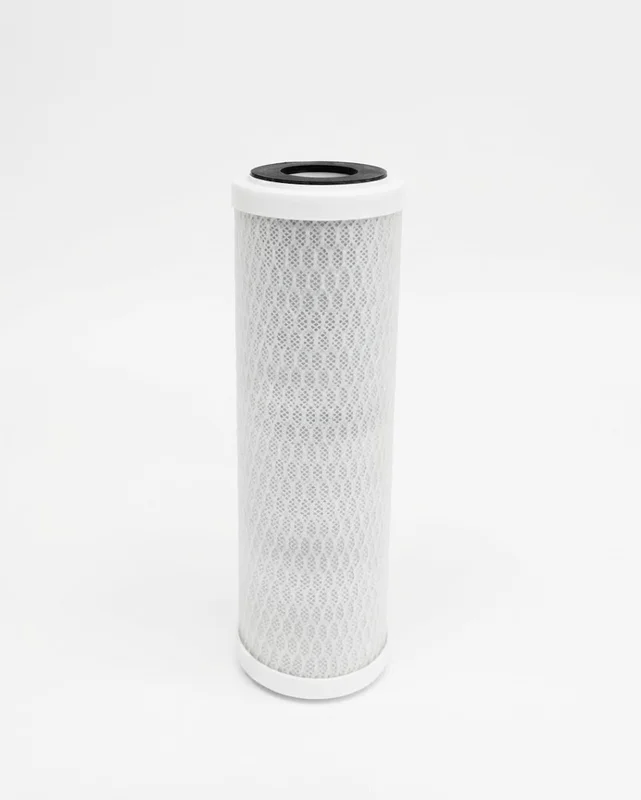
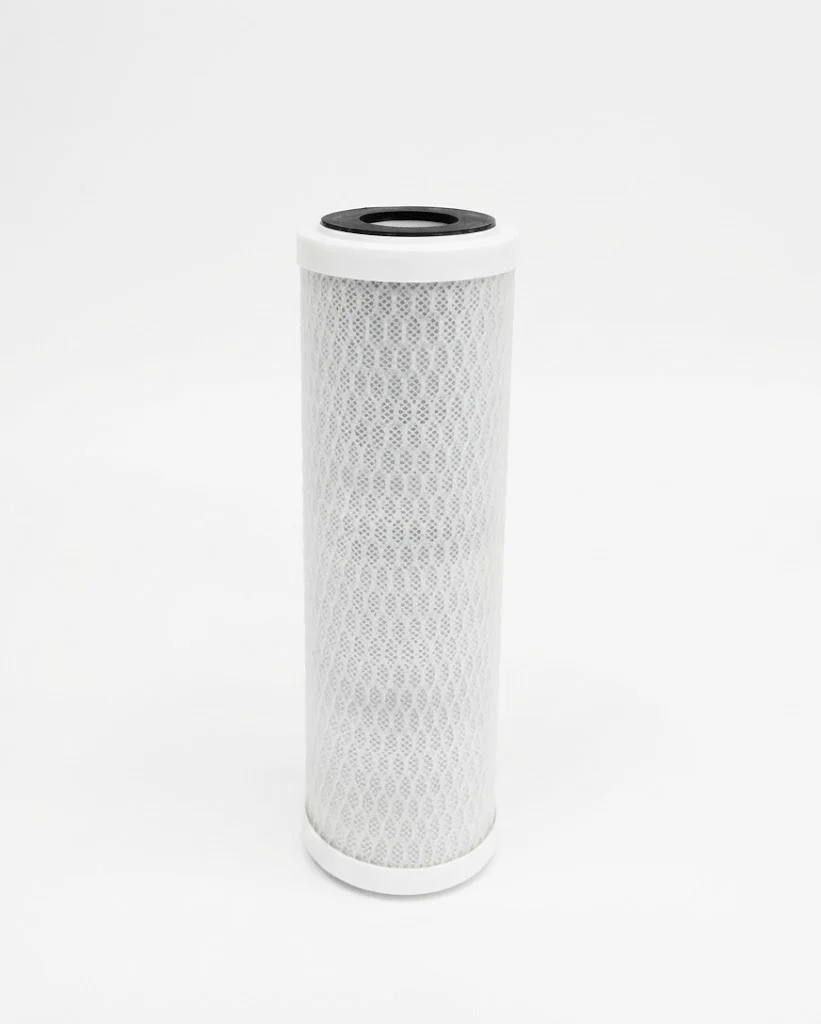
Activated carbon filters use coconut-shell, coal-based or wood-based carbon as the core medium, leveraging the dual mechanism of physical adsorption (surface area 800–1200 m²/g) and surface chemical reaction to remove organic contaminants, residual chlorine, VOCs, color bodies and odor compounds from water and solvents. They are an indispensable component in ultrapure water systems and chemical purification trains.
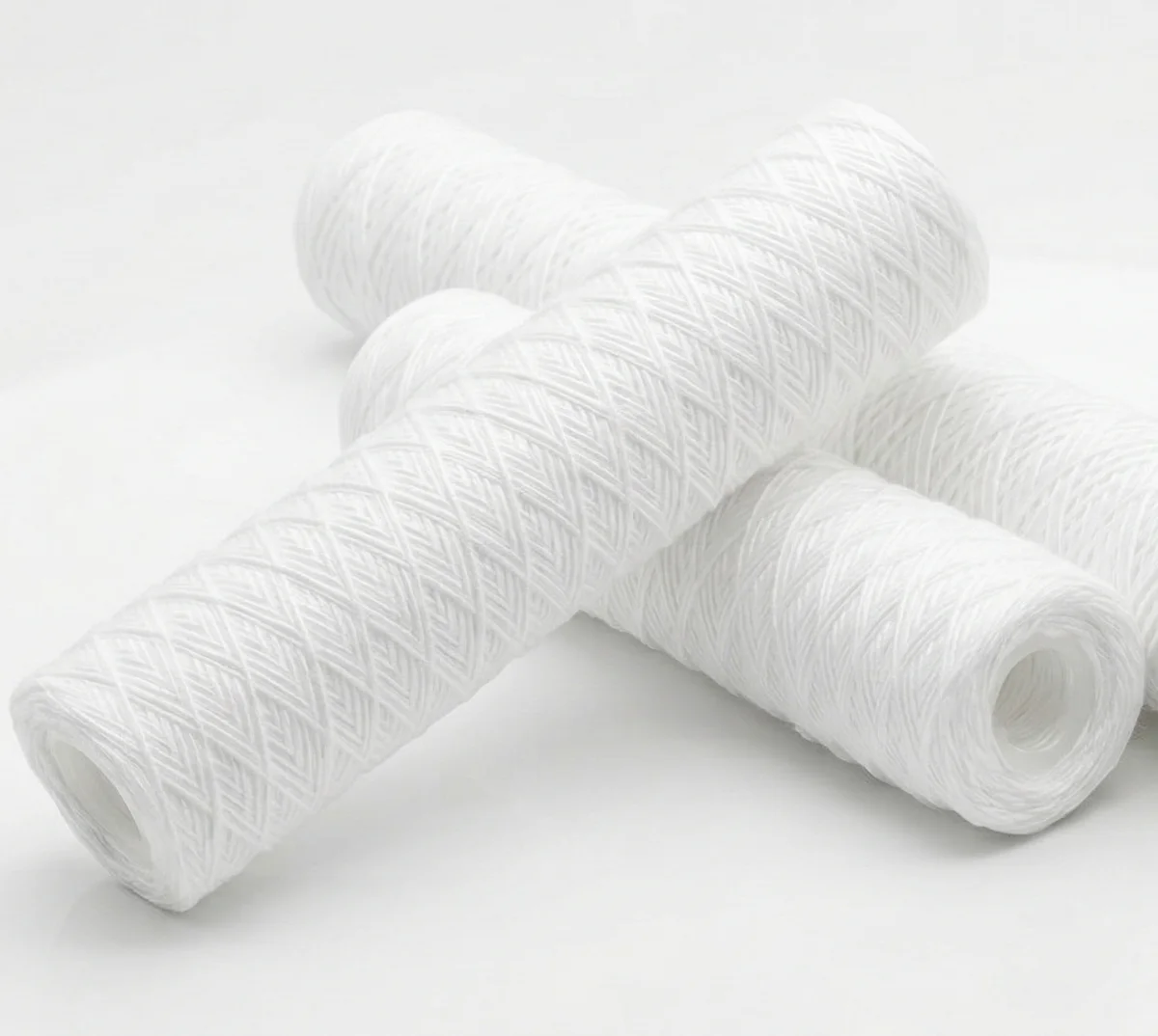
Three constructions are available: Carbon Block — high-density extruded blocks delivering particulate filtration ≤5μm with simultaneous adsorption and mechanical filtration; Wound Carbon — activated carbon fiber yarn spun around a core for low pressure drop and high flow; Carbon Fiber Cloth/Felt — high kinetic adsorption rate and short equilibrium time, ideal for low-concentration high-flux applications. Selection is driven by target contaminant molecular weight, polarity, concentration and empty bed contact time (EBCT).
Typical applications: UPW pretreatment (TOC removal, residual chlorine protection of downstream RO/EDI), semiconductor IPA and photoresist solvent reclaim, pharmaceutical purified water (USP <643> TOC control), food & beverage decoloration and deodorization, chemical color removal, and laboratory solvent purification.
Frequently Asked Questions
What contaminants do activated carbon filters remove?
How to choose between Carbon Block, Wound, and Carbon Cloth?
Do activated carbon filters release carbon fines?
Technical Articles in This Category
Understand the principles and how to read the specs before you choose.
Activated Carbon Filter Cartridges in Chemical Processes: Adsorption Principles & Suitable Contaminants
Activated carbon adsorption performance is determined by specific surface area (800–1200 m²/g) and pore size distribution; the raw material (coconut shell, coal, or wood) governs pore structure and must be matched to the target contaminant. Chlorine is removed by catalytic decomposition, not physical adsorption.
Filter Organic Extractables: NVR vs TOC Test Methods Compared
NVR weighs non-volatile residue; TOC oxidizes and measures total carbon. They catch different things. This article explains both methods, regulatory specs, and the order-of-magnitude differences between PP and UPE.
Estimating Liquid Filter Lifespan: Drivers and Replacement Triggers
"How often do I replace?" is the wrong question — lifespan depends on 7 variables. This article covers dirt-holding capacity, pressure curves, integrity testing, CIP/SIP effects, and TCO math.
Need a Custom Solution?
Custom sizes, materials or validation protocols — we can build the solution around your process.
Request Customization