
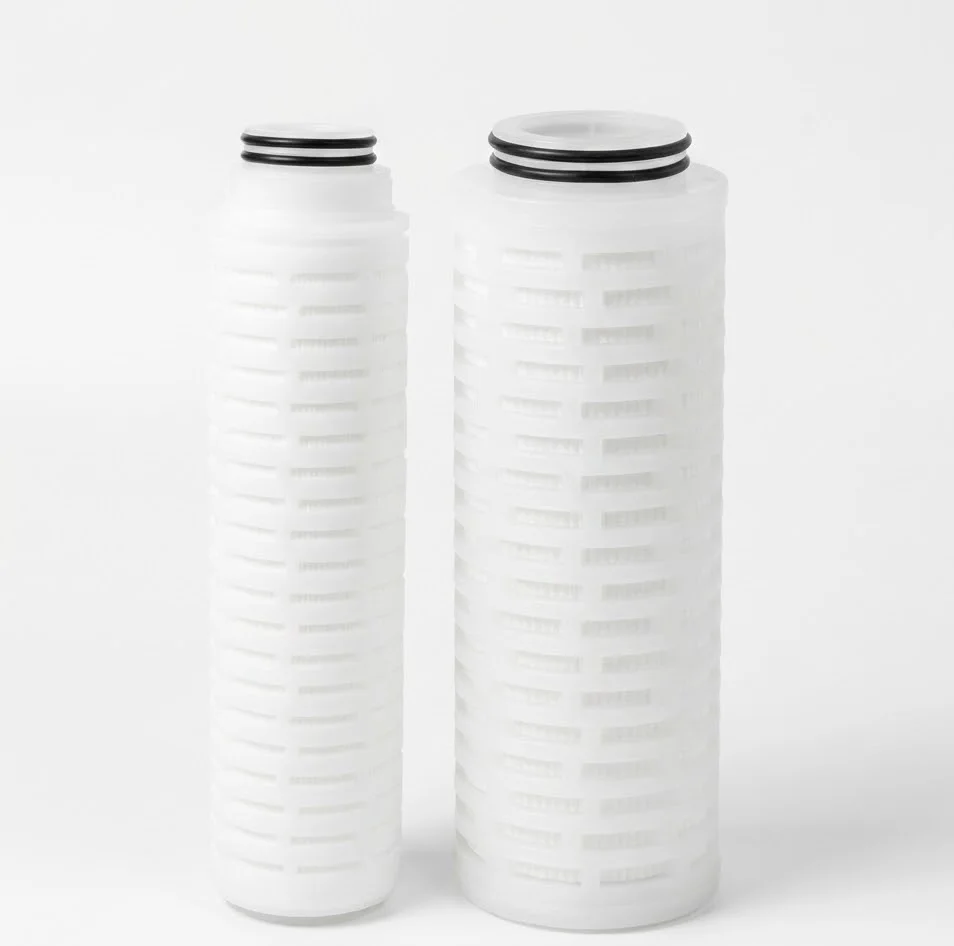
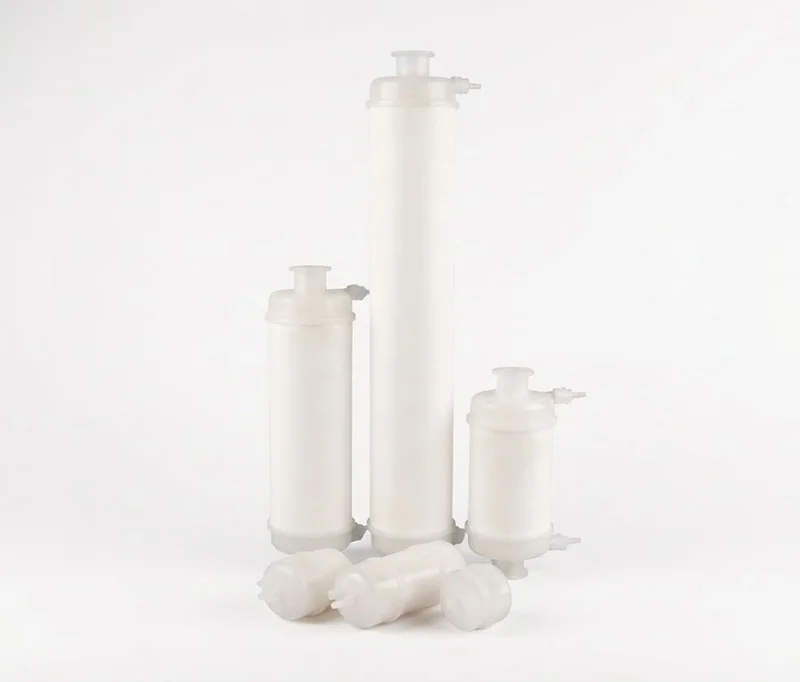
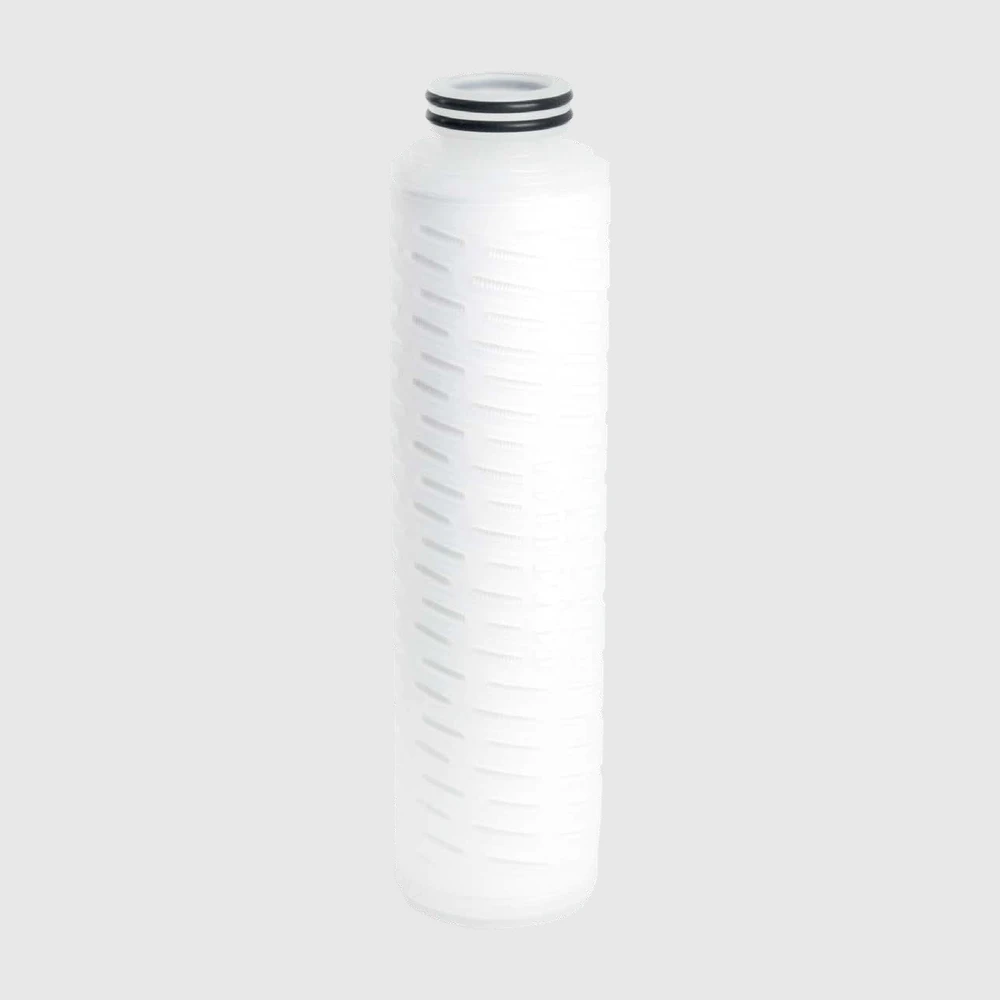
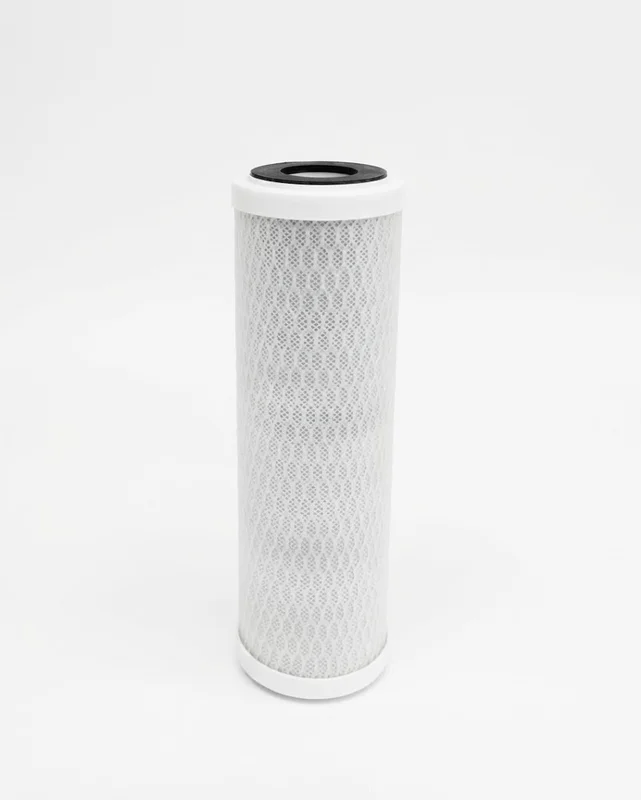
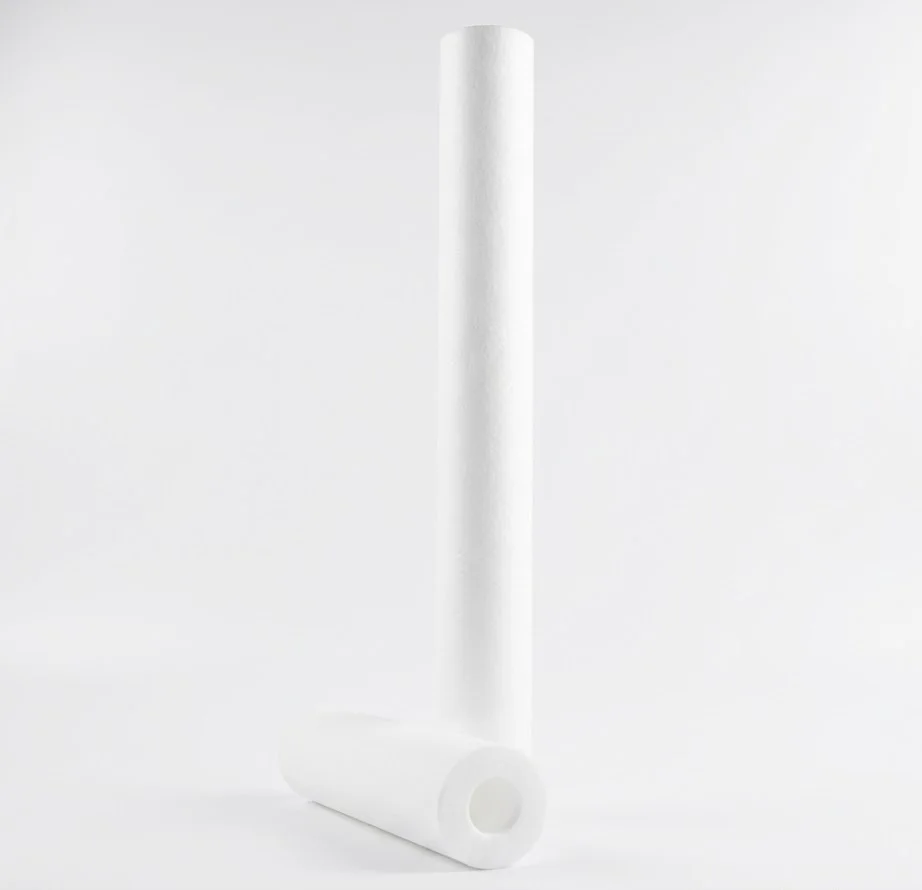
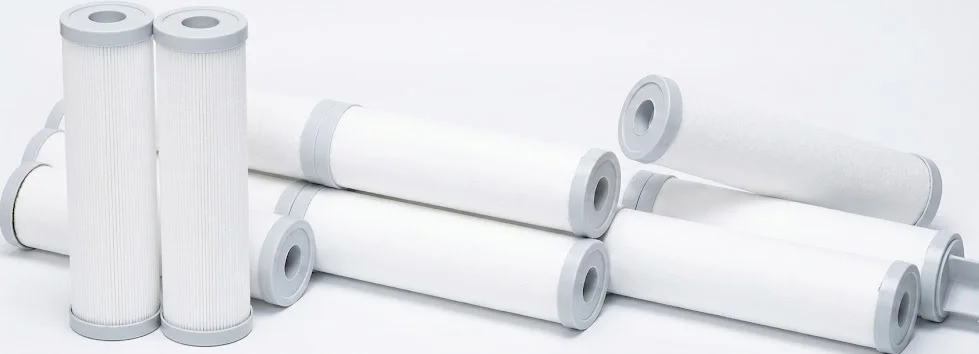
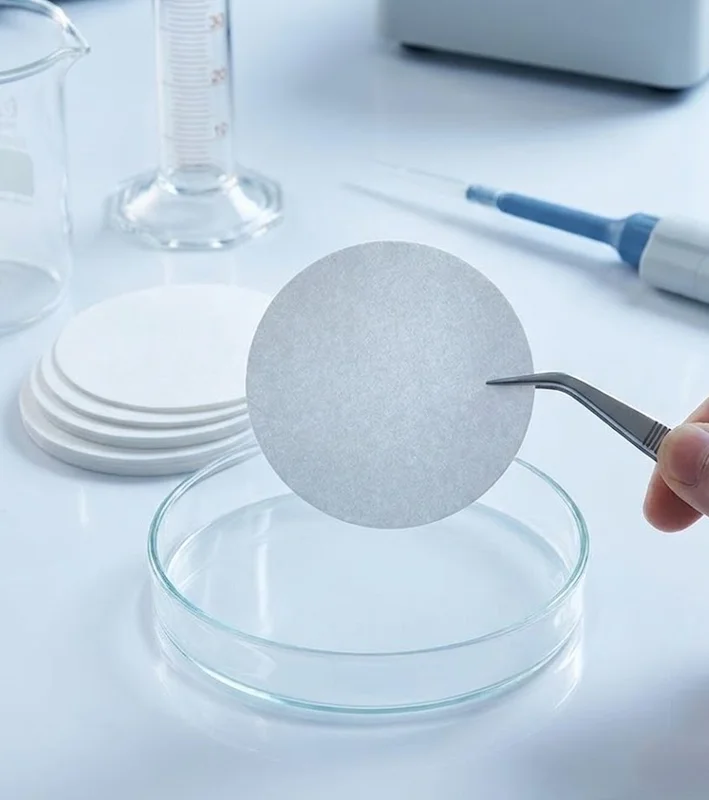
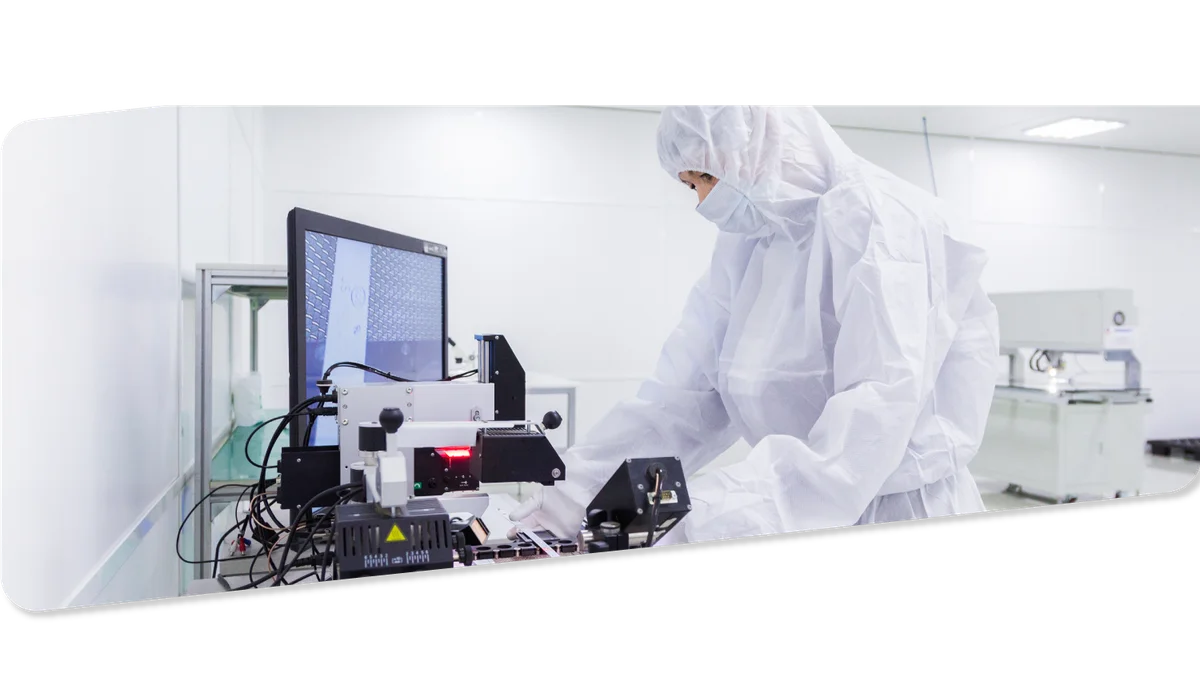
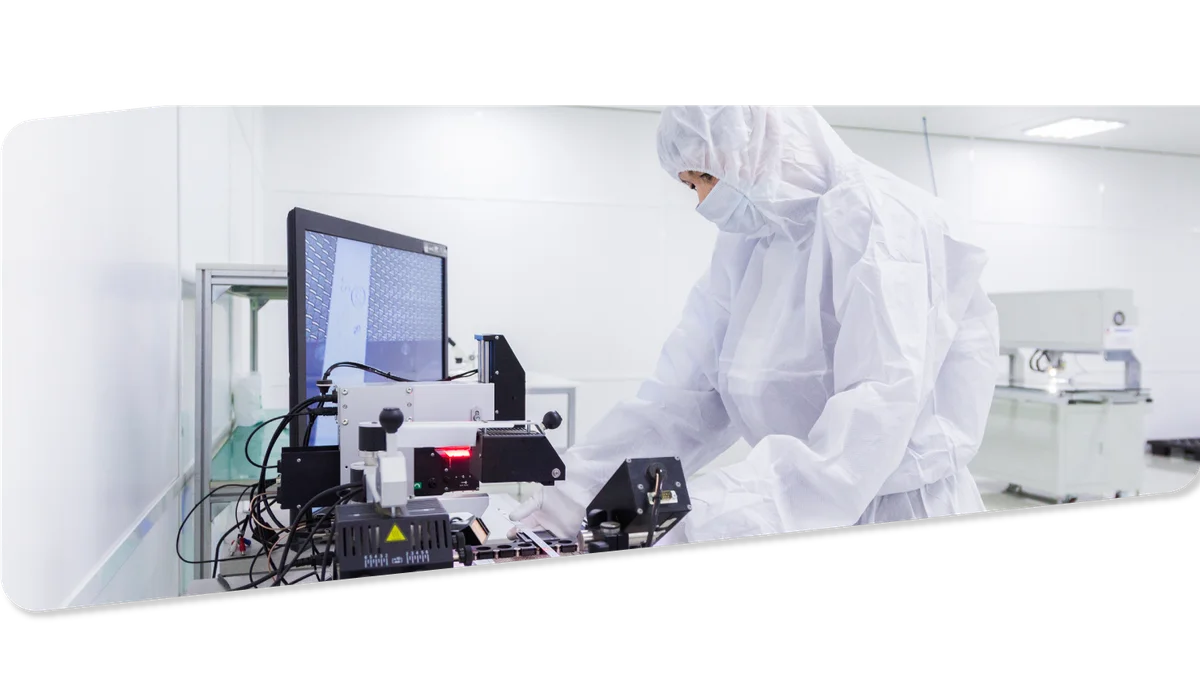
Validation & Reclaim Services cover filter retention validation, cleanliness analysis, and used-filter reclaim — the three core technical service offerings of JIUNYUAN Technology beyond product sales. Every report is executed under traceable SOPs and qualifies as an official document for internal QA, customer audits, and regulatory validation.
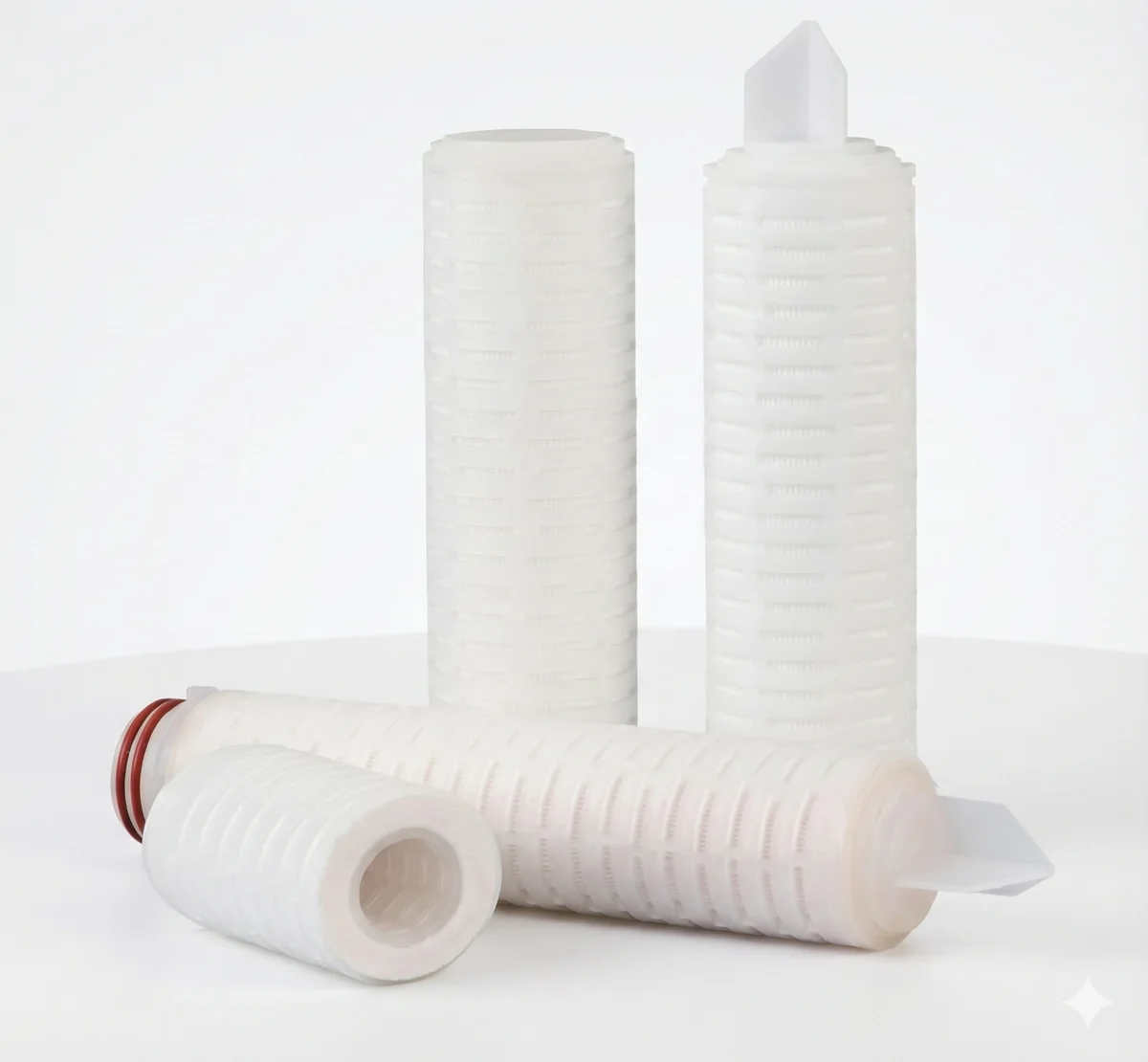
Filter retention validation uses particle challenge testing to measure LRV (Log Reduction Value) and β-ratio, run per ASTM F838, ASTM F795 or customer-specified conditions. Extractables testing uses GC-MS and LC-MS for organic compounds; metallic ion release is measured by ICP-MS across 35+ elements, qualifying filters for semiconductor UPW and pharmaceutical USP <232>/<233> compliance. PTFE reclaim service restores ≥80% of original performance through proprietary cleaning and thermal regeneration, saving 4.2 kg CO₂e per cartridge.
Target clients: semiconductor new-process filter qualification, pharmaceutical pre-cGMP validation, new fab UPW system commissioning, OPEX reduction through reclaim, internal QA audit support, and data evidence for ESG sustainability reporting.
Frequently Asked Questions
What tests are included in filter validation services?
How much performance does PTFE filter reclaim restore?
Can the validation reports be used for GMP regulatory certification?
Technical Articles in This Category
Understand the principles and how to read the specs before you choose.
99.41% at 5 nm: Reading a Gold Nanoparticle Challenge Test on a PP Membrane Filter
Does a filter labeled 5 nm really stop 5 nm particles? JIUNYUAN’s advanced PP membrane filter, third-party certified by ITRI, retains 99.41% of 5 nm gold nanoparticles and 99.08% at 20 nm. This article walks through the test conditions, converts retention to penetration and LRV, explains why 20 nm reads slightly lower, and lists six questions to ask before comparing retention claims.
Can a Reclaimed PTFE Filter Match a New One? 10 nm New-vs-Reclaimed Test Data
Can a used PTFE filter be cleaned back to new-part performance? Measured on a 10 nm PTFE filter: 5 nm GNP retention 99.4% vs 99.3%, NVR 3.5 vs 1.8 mg/device, and 23-metal extraction 330.5 vs 353.2 ng/device. This article reads each metric, explains what the four-module, nine-step reclaim flow removes, which filters qualify, and where reclaimed filters pay off.
Filter Metal Extractables: How ICP-MS Evaluates Filter Cleanliness
ICP-MS detects metals down to ppt levels — the gold standard for filter extractables. This article covers ICP-MS vs ICP-OES vs AAS, testing workflow, real metal extraction data from PP to UPE, and the 5 elements to scrutinize on a CoA.
Filter Organic Extractables: NVR vs TOC Test Methods Compared
NVR weighs non-volatile residue; TOC oxidizes and measures total carbon. They catch different things. This article explains both methods, regulatory specs, and the order-of-magnitude differences between PP and UPE.
Filter Particle Release: How LPC Evaluates Cleanliness
A single 30 nm particle can scrap a wafer. This article walks through LPC laser scattering, particle release curves, semi fab acceptance criteria, and why pre-flush is mandatory.
Liquid Filter Efficiency: From Conventional to Nanometer Test Methods
The same filter can be marketed as 99.9% or 99.99% — it depends on β-ratio, LRV and challenge particle. This article covers the full spectrum from nominal/absolute rating to bacterial challenge to EUV gold sol challenge.
Need a Custom Solution?
Custom sizes, materials or validation protocols — we can build the solution around your process.
Request Customization