
Home/Products/Validation & Reclaim Services/PTFE Filter Reclaim & Recycle Service
PTFE Filter Reclaim & Recycle Service

PTFE Filter Reclaim & Recycle Service

Product ID: filter-reclaim-regeneration-recycle-services|Filter Reclaim Service

Provide PTFE / PFA filter regeneration and precision testing (Total metals, NVR, particle counting), reduce consumable costs and provide verification reports. Technical cooperation with the Industrial Research Institute to advance filter core verification and cleaning technology. Book your free trial now.

  • PTFE / PFA filter reclaim and recycle
  • Precision testing of Total metals, NVR and particle count
  • Verification report supplied after regeneration
  • Meaningfully reduces consumable costs
  • Advanced cleaning and validation developed with ITRI
  • Free trial available on booking
PTFE / PFA filter reclaim and recycling
Cost reduction for high-value semiconductor cartridges
Cleanliness verification of regenerated filters
Total metals / NVR / particle count testing
Confirmation of filter cleaning effectiveness
Service scope
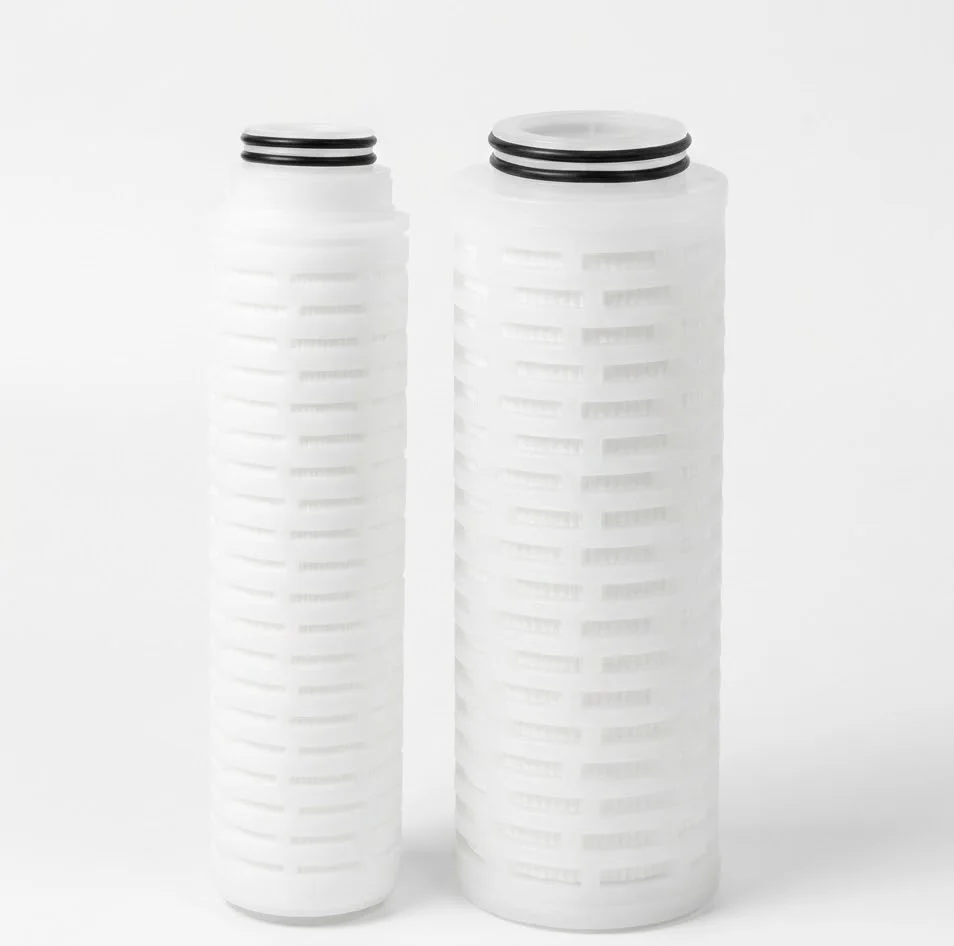
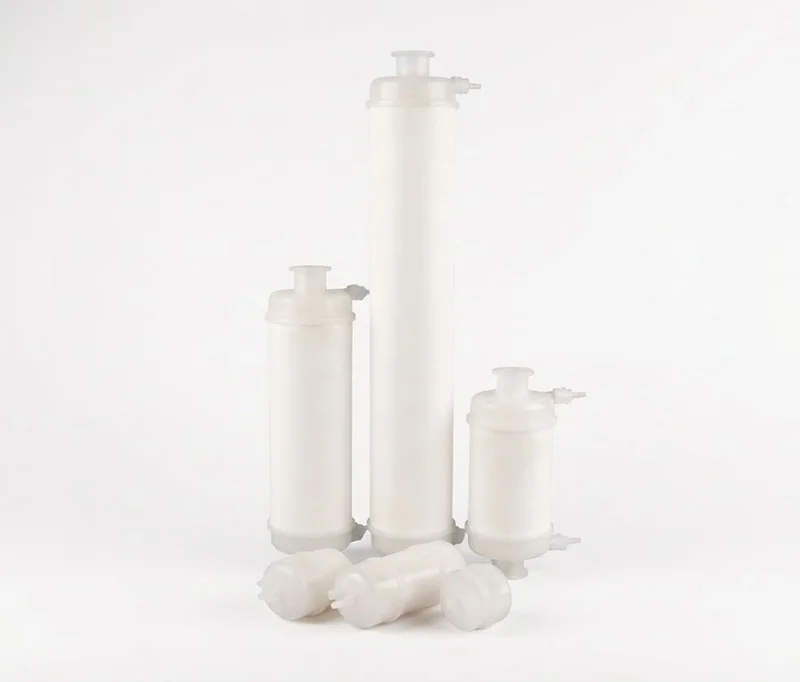
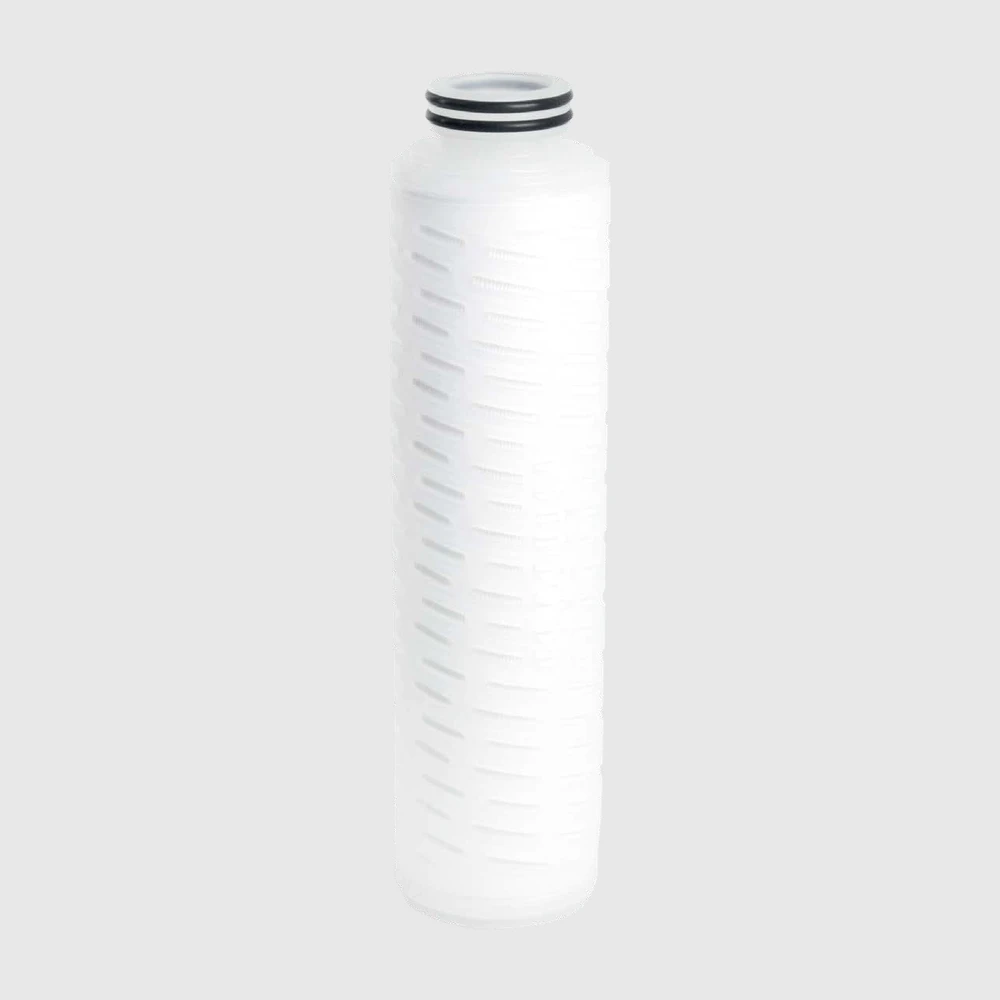
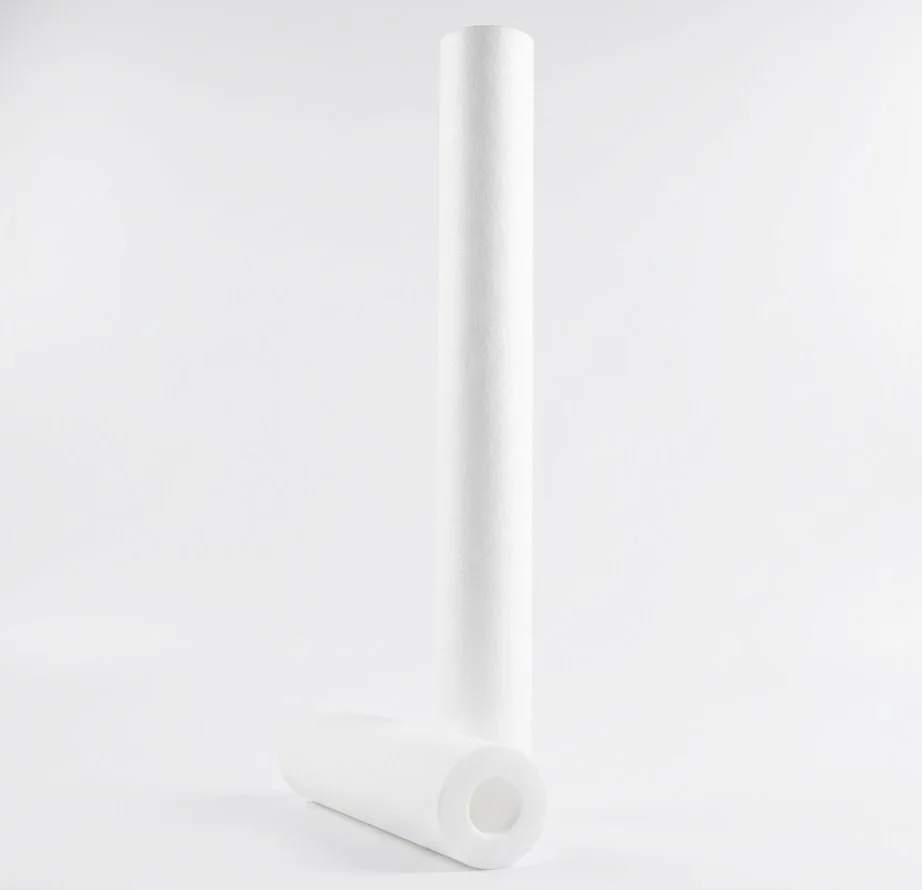
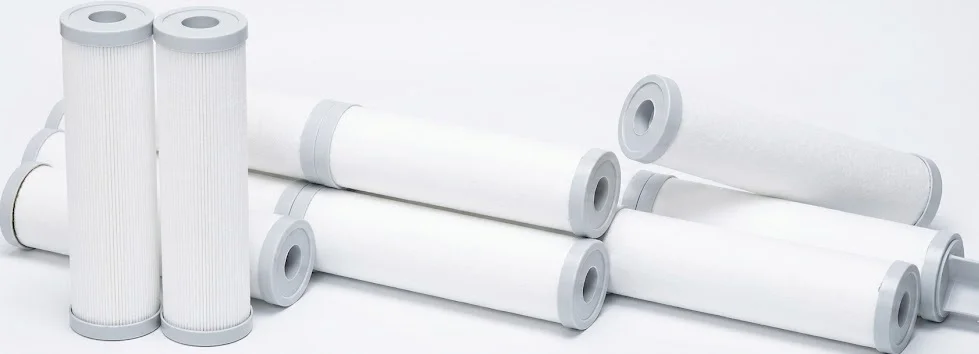
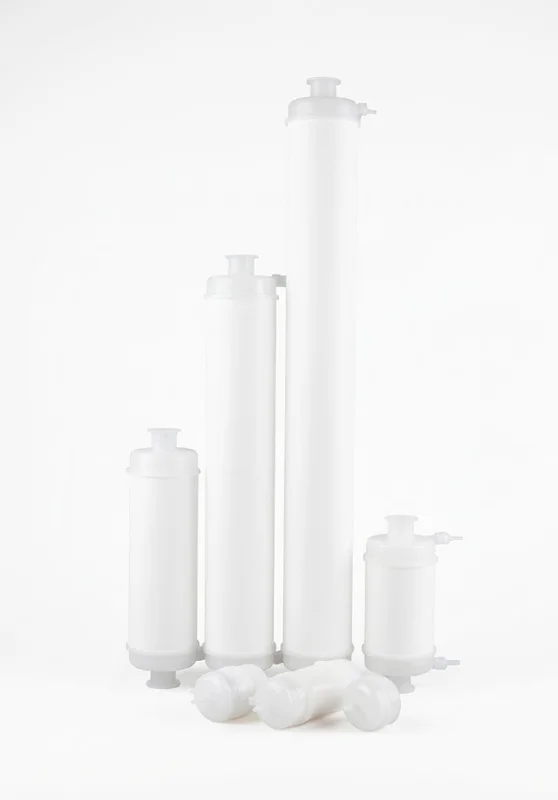
Reclaim and recycling of PTFE membrane / PFA filters rated 2 nm to 0.1 µm, in both disposable and cartridge formats. Typical uses: down-rating a high-grade PTFE filter for continued service, redeploying it as a pre-filter, adding it as an extra filter in series, or substituting it into cost-sensitive non-PTFE processes — cutting both consumable and disposal costs.
Test method / standard
A four-module, nine-step reclaim cleaning process treated stage by stage per contaminant class: (1) conditioning and pre-wet — UPW preclean, 30-minute IPA pre-wet, UPW exchange; (2) organics removal — 1% SPM for 10 minutes followed by a UPW rinse; (3) metals removal — 100 mL of 5% aqua regia vapour for 10 minutes followed by a UPW rinse; (4) silica removal and finish — 1% HF + 1% HNO₃ for 10 minutes, then a final UPW exchange to a pH / conductivity endpoint. Three in-house techniques support the flow: ReactoClean (chemical reaction to break down contaminants), PeneClean (low-viscosity, high-diffusivity liquids to reach smaller pores) and SonaClean (external energy to overcome the desorption barrier).
Instrumentation
Post-reclaim verification uses the existing laboratory platform: ICP-MS / ICP-QQQ (detection limit 1 ppt) for metal extraction; GC-MS for C12–C30 long-chain hydrocarbons; non-volatile residue (NVR) and particle counting for cleanliness; a GNP 5 nm gold-nanoparticle challenge for retention; and the custom-built integrity tester (all sizes and formats) to confirm structural integrity.
Sample requirement
Used PTFE / PFA filters. Please provide the original process chemistry, time in service and nominal rating. The media must tolerate HF and strong oxidising acids; tell us in advance if the filter contains stainless-steel parts, as a split recipe is then used. Media that cannot tolerate these chemistries is out of scope.
Deliverables
A before-and-after verification report covering total metals, NVR, particle count and GNP 5 nm retention, with the reclaim process parameters recorded so the data stays traceable.
Standard lead time
Confirmed with the quotation, based on quantity, media and contamination level. Standard flow: sample assessment (media and chemical compatibility gate) → quotation → reclaim process → cleanliness and retention verification → report. A free trial is currently available on booking.
Regulatory & validation
The reclaim process is co-developed with the Industrial Technology Research Institute (ITRI) and is patent pending. Reclaimed filters are held to total metals < 2 µg/device (10"); organic cleanliness (NVR) and retention are qualified against the specification of the original filter model. Every batch ships with a before-and-after verification report.
ItemSpecNewReclaimed
C12–C30 LHC< 0.5 ppm< 0.5 ppm
NVR (mg/device)183.51.8
23 metals (ng/device)3500330.5353.2
GNP 5 nm retention99.4 %99.3 %

Measured on a 10 nm PTFE filter, new versus reclaimed; the spec column is the cleanliness limit for the 10 nm item. Actual results vary with filter format, original process chemistry and contamination level.

Note: actual compatibility and service life depend on chemical concentration, temperature, flow, differential pressure, upstream contamination load and housing design. Validate under your real process conditions.

Where it fits

This is the one service of the six that is not testing. It takes used PTFE membrane and PFA filters, in both disposable and cartridge formats. Reclaimed filters are typically used four ways: down-rated for continued service, redeployed as prefilters, added as an extra filter in series, or substituted into cost-sensitive non-PTFE processes — cutting consumable and disposal costs together.

Key characteristics

Reclaim runs as a four-module, nine-step cleaning process, and the order is not arbitrary. Conditioning and pre-wet come first so the cleaning liquids can reach into the pores; organics, metals and silica are then addressed in sequence, because the chemistries they need work against one another and cleaning for all three at once cancels them out.

A ultrapure water exchange sits between every module to return the element to the aqueous phase, with pH and conductivity as the endpoint. That step is easy to underrate: run one chemistry straight into the next and the residue of the first reacts with the second inside the media, leaving fresh precipitate — cleaning that manufactures contamination.

Verification after reclaim uses the existing laboratory platform rather than a looser standard written for the occasion: metal extraction by ICP-MS / ICP-QQQ, long-chain hydrocarbons by GC-MS, plus non-volatile residue and particle counting, retention by a 5 nm gold nanoparticle challenge, and structural integrity confirmed on the integrity tester.

Choosing between options

Which filters are worth sending in, and which are not:

SituationRecommendation
PTFE membrane or PFA build, rating inside the accepted rangeIn scope — send the original chemistry, time in service and nominal rating
Media that cannot tolerate HF and strong oxidising acidsOut of scope: the material gate rules it out, and forcing it through destroys the filter
Filter contains stainless-steel partsAccepted, but tell us in advance so a split recipe is used
You only want to know whether a filter is still usableSend it for performance or cleanliness testing instead — reclaim is not the question

Operation & change-out

What to send: used PTFE / PFA filters, with the original process chemistry, time in service and nominal rating. The flow runs sample assessment (a media and chemical-compatibility gate), quotation, the reclaim process, cleanliness and retention verification, then report delivery. Turnaround is confirmed with the quotation from quantity, media and contamination level. A free trial is currently available on booking.

Every batch ships with a before-and-after verification report; the measured reference data is in the specification table above. Running a small trial batch and checking the real numbers against your own acceptance limits is a far more practical basis for adoption than reading a datasheet.
Which filters can be reclaimed and recycled?
The service covers PTFE / PFA cartridges for reclaim and recycling. Advanced cleaning restores cartridges to a usable condition, helping reduce both procurement and disposal costs and improving overall cost efficiency.
How is cleanliness confirmed after regeneration?
After regeneration we provide precision testing covering Total metals, NVR and particle count, together with a verification report, so you have cleanliness data in hand before putting the cartridge back into service.
Where do the cleaning and validation methods come from?
The service is developed in technical cooperation with ITRI, applying advanced filter validation and cleaning technology to ensure regeneration quality and reliable test data. A free trial is currently available — book now.