
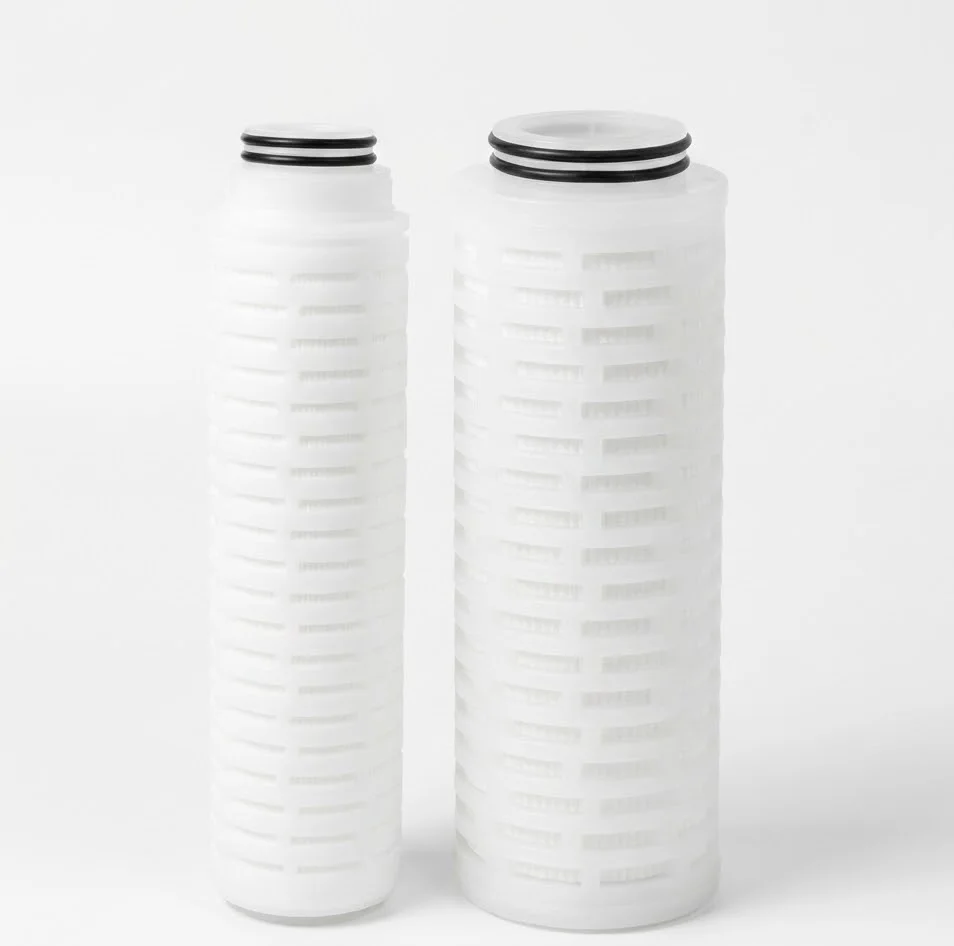
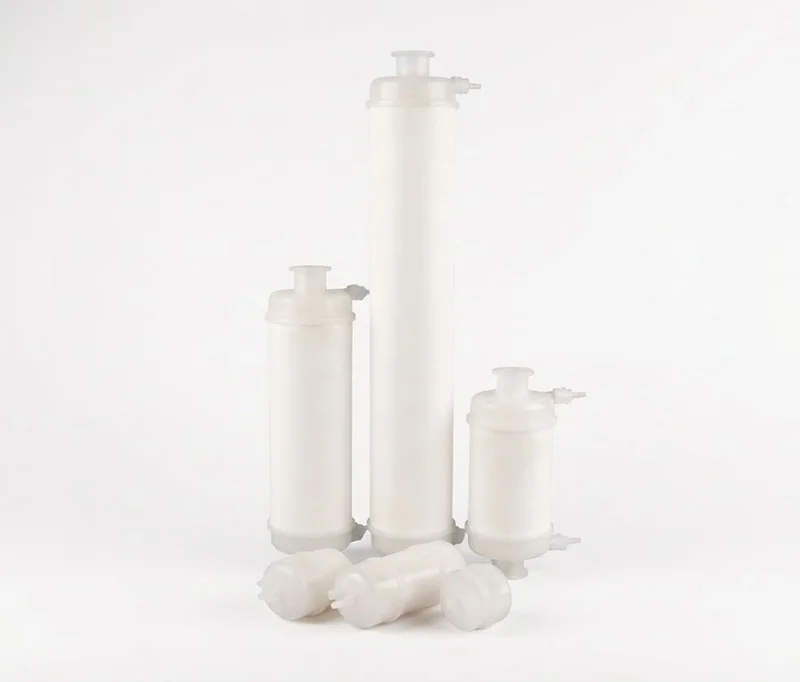
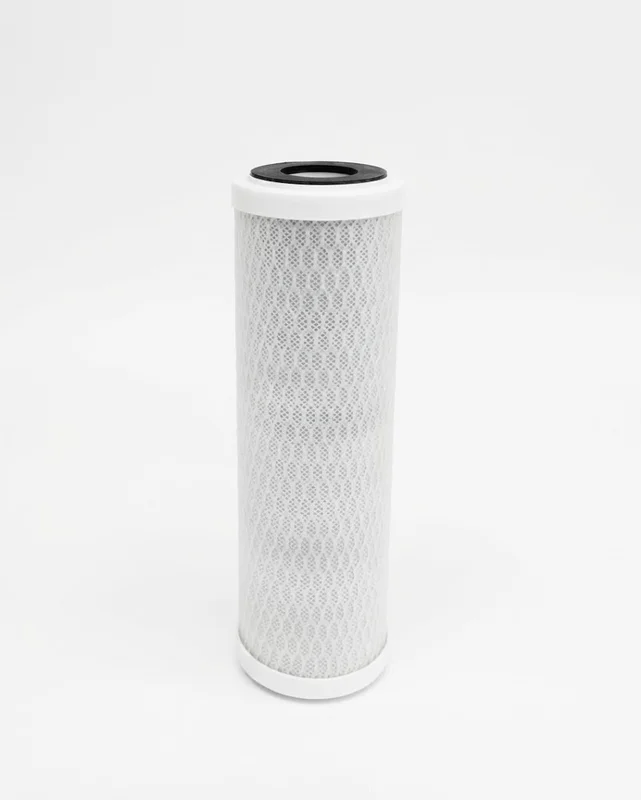
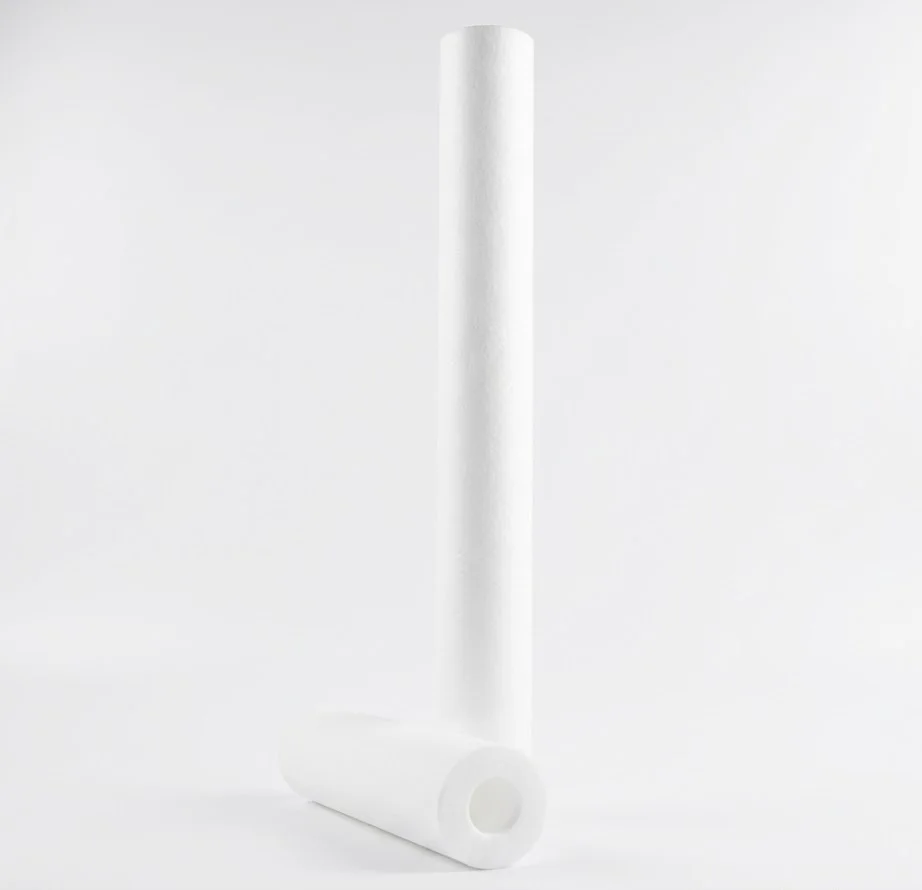
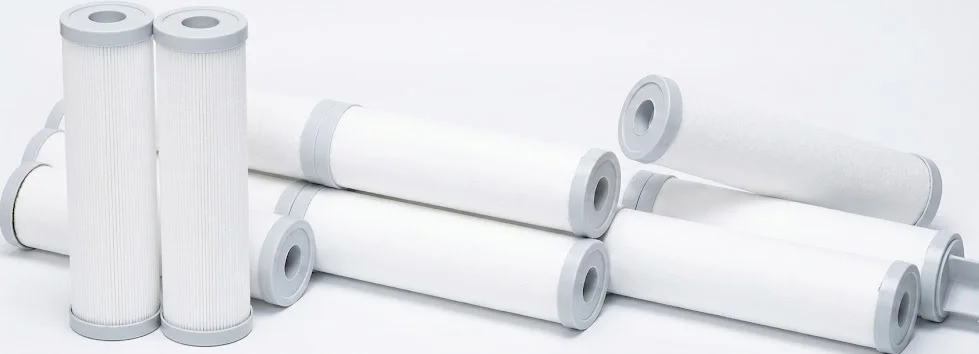
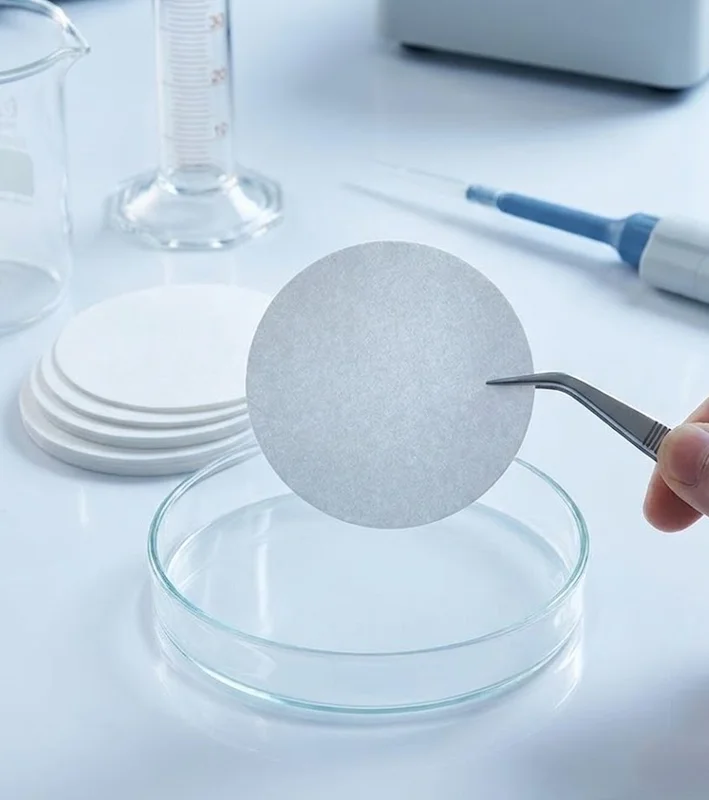
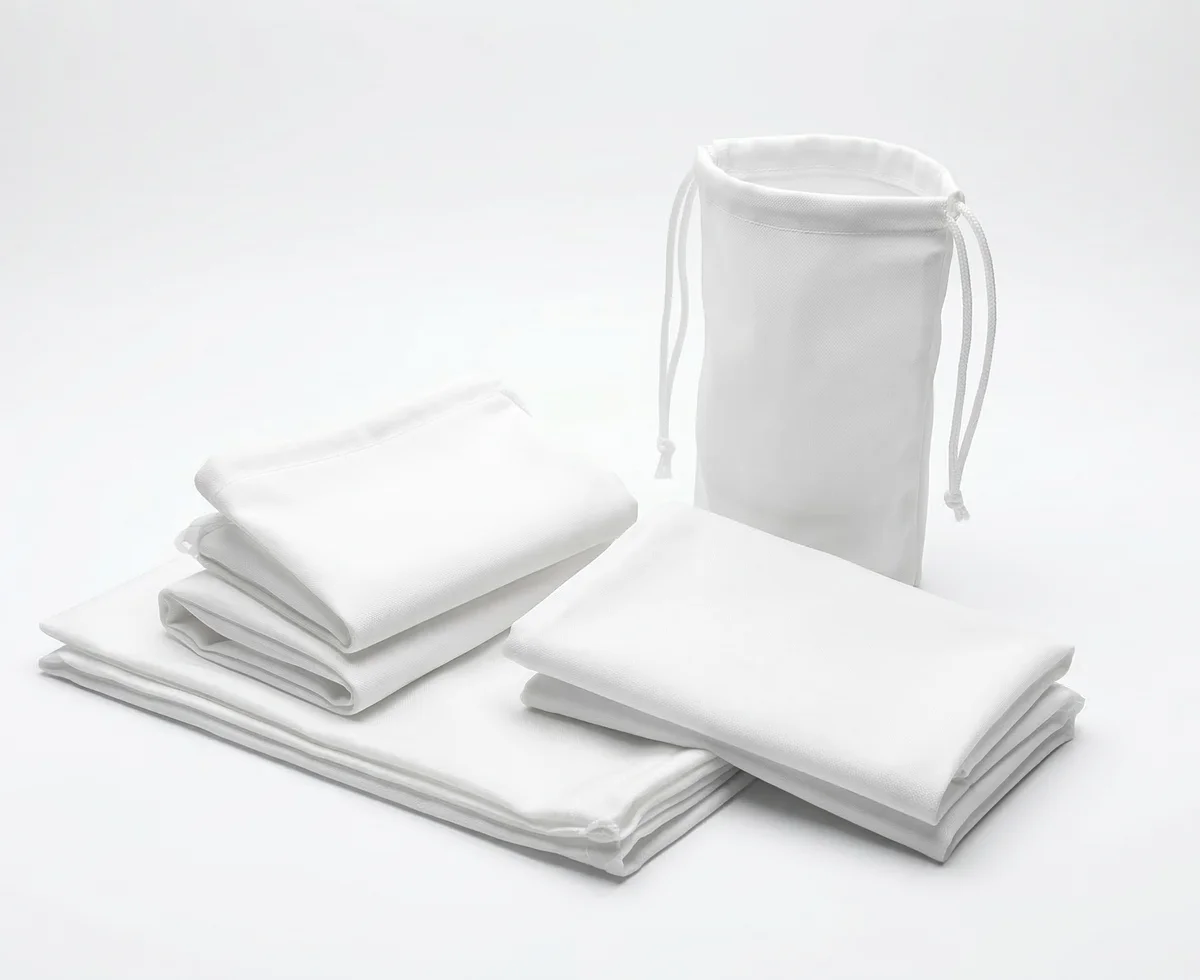
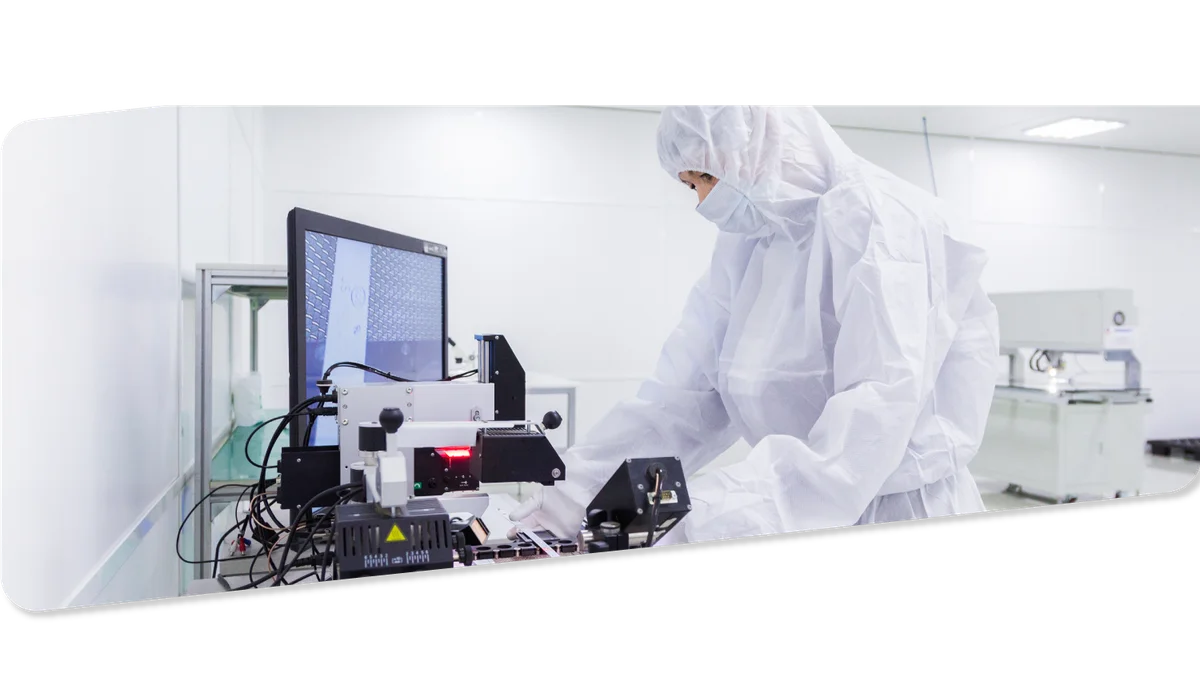
Semiconductor Process Filtration is organised by the actual process step in the fab rather than by filter form factor. JIUNYUAN splits this line into three process segments: Wet Etch & Clean, CMP Slurry, and Ultrapure Water. The same membrane material carries different cleanliness requirements, temperature limits and acceptable extractable levels depending on the process step — organising by process is what makes first-time-right selection possible.
The wet etch and clean segment uses asymmetric PES and several PTFE constructions that must withstand SC-1, SC-2, SPM, BOE, DHF and TMAH, with temperature ratings from 38°C (HDPE hardware) to 180°C (all-PFA hardware) and retention from 1nm to 10μm. The CMP challenge is not "finer is better" — it is to intercept scratch-causing agglomerates while letting effective abrasive particles pass so the slurry particle size distribution (PSD) stays intact; depth, rolled, pleated and dual-layer constructions each have their place. The ultrapure water segment is driven by high flow, long service life, low metallic-ion release and fast conductivity recovery.
Every cartridge uses the JIUNYUAN in-house part-number scheme (JY-process-series-diameter-retention-length-options), so an orderable part number can be built from outer diameter, retention rating, length, end-cap type, O-ring material, cleanliness grade and packaging. All specifications should be confirmed by sample validation under your real process conditions.
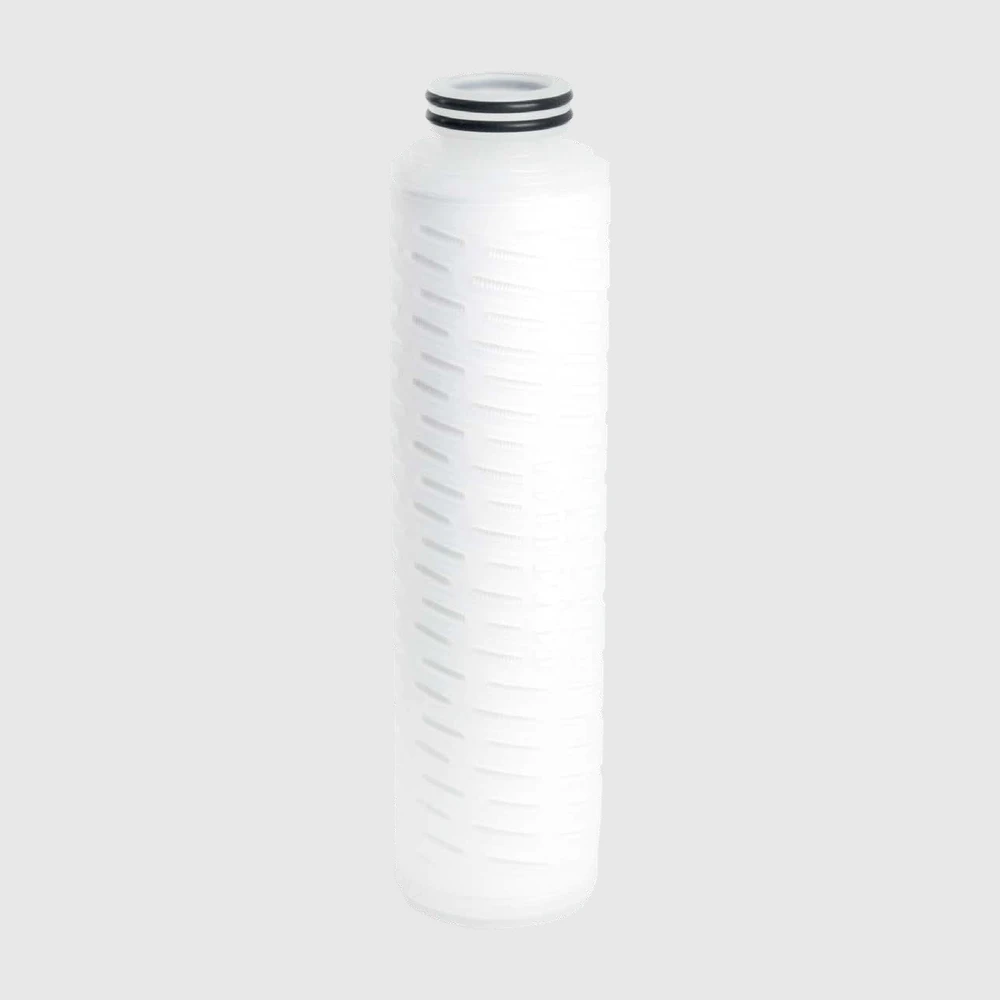
Dual-Layer Pleated / Rolled Filter for CMP
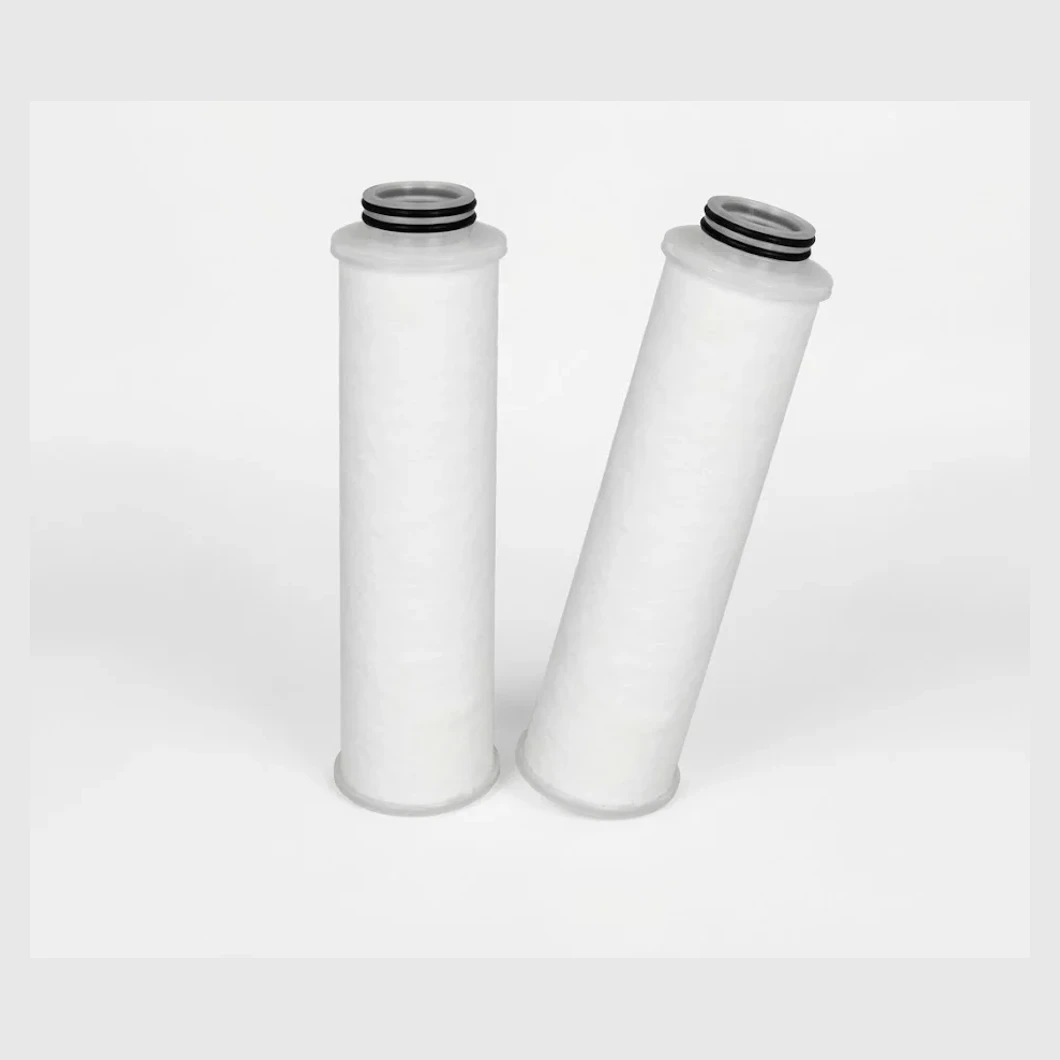
High-Capacity PP Depth Filter for CMP
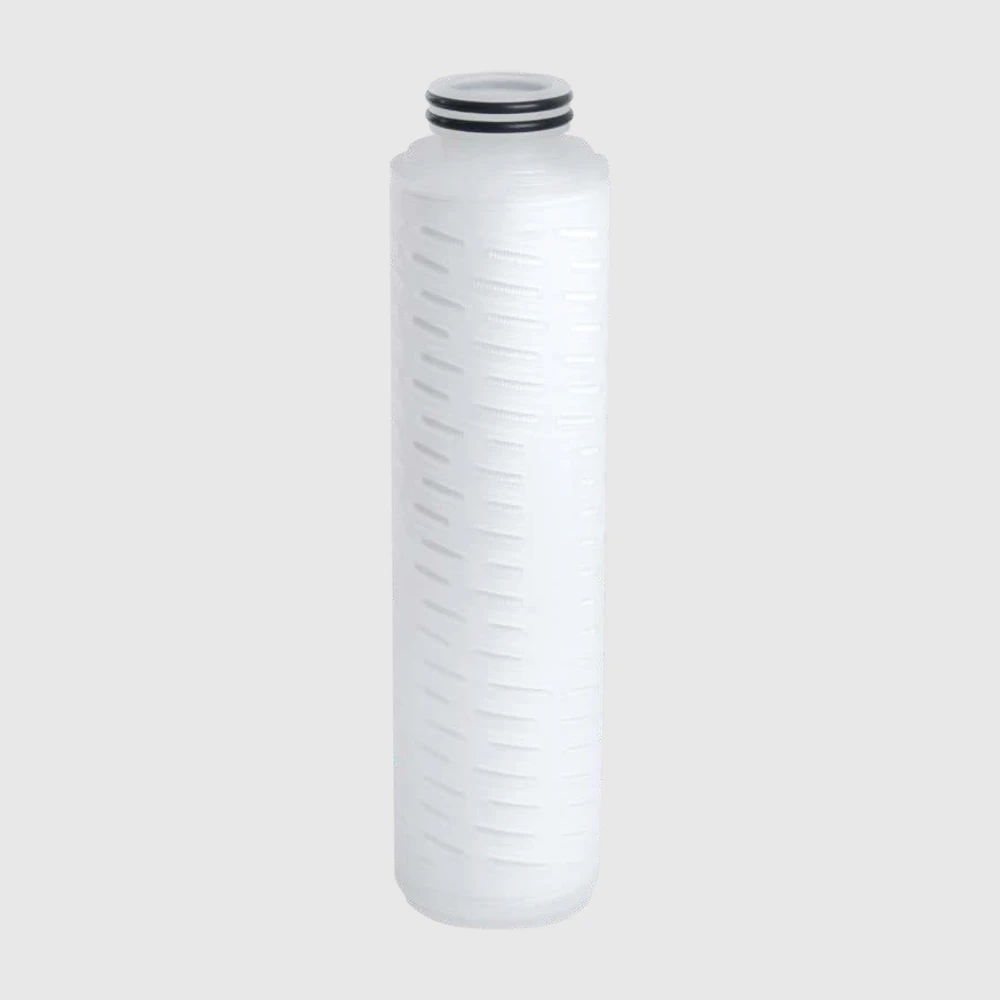
Nylon 66 Membrane Filter for CMP
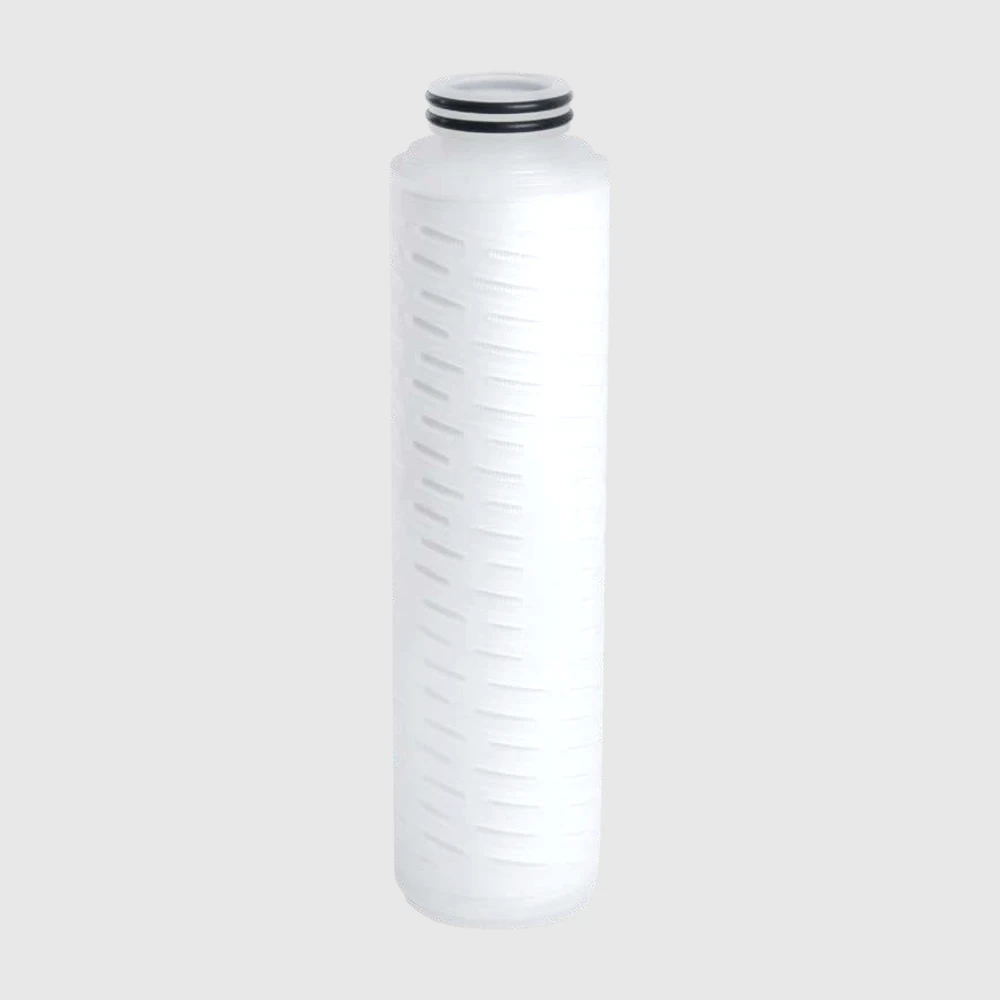
PES Membrane Filter for CMP
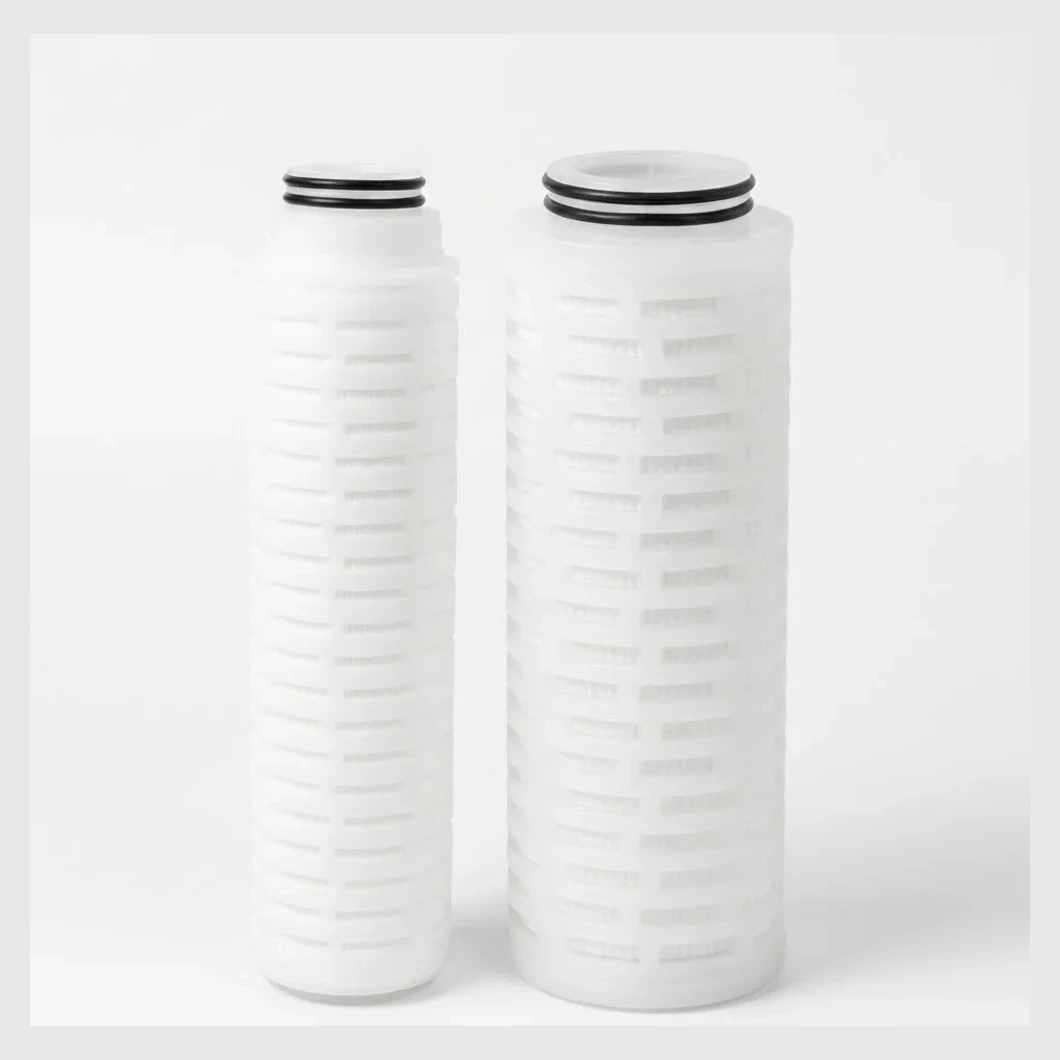
Pleated PP Filter for CMP
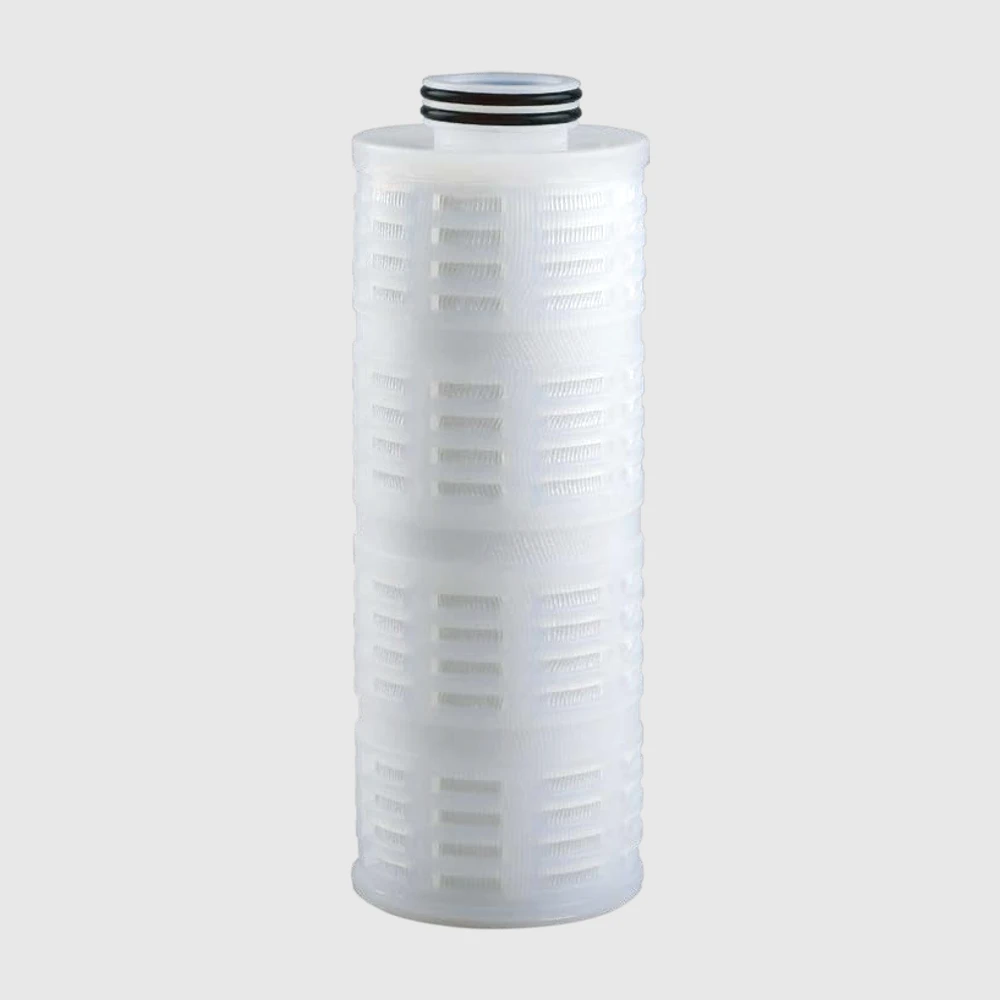
Semi-grade Surface-modified PTFE All-Fluoropolymer Filter
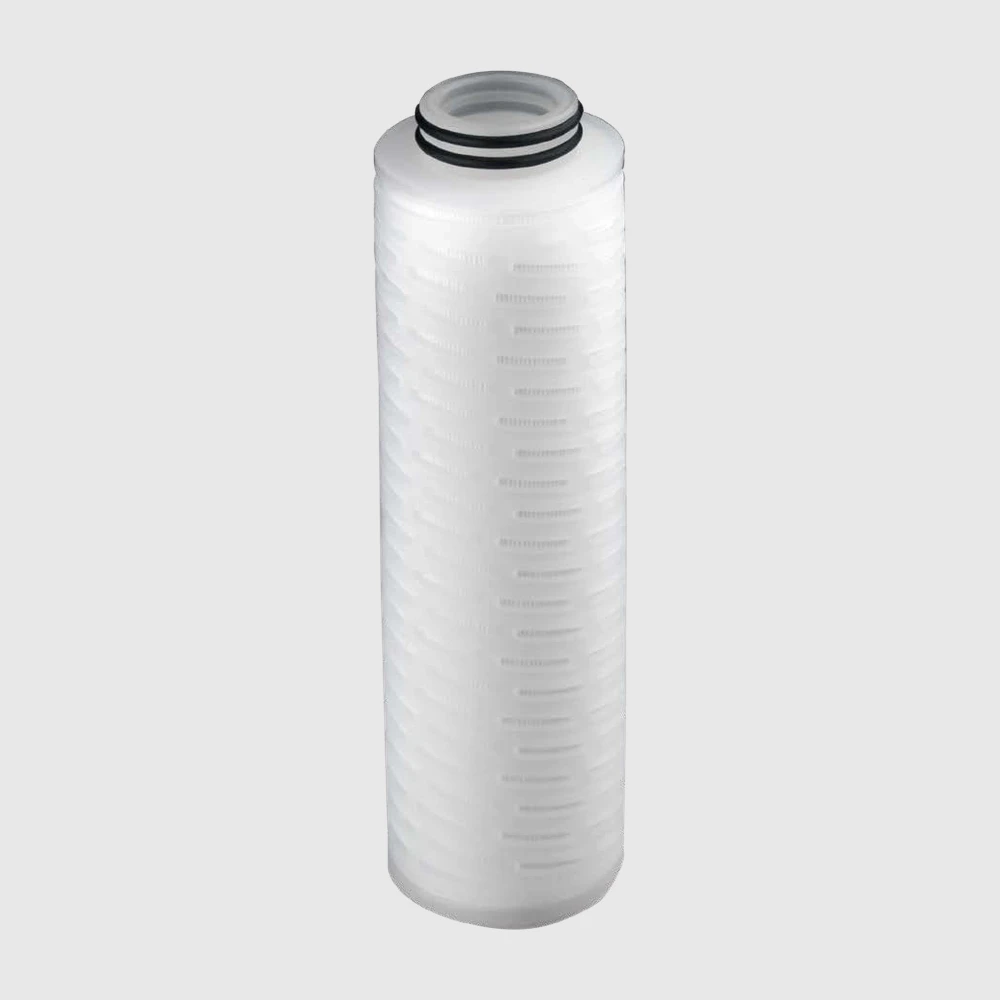
Electronic-Grade Asymmetric PES Fine Filter
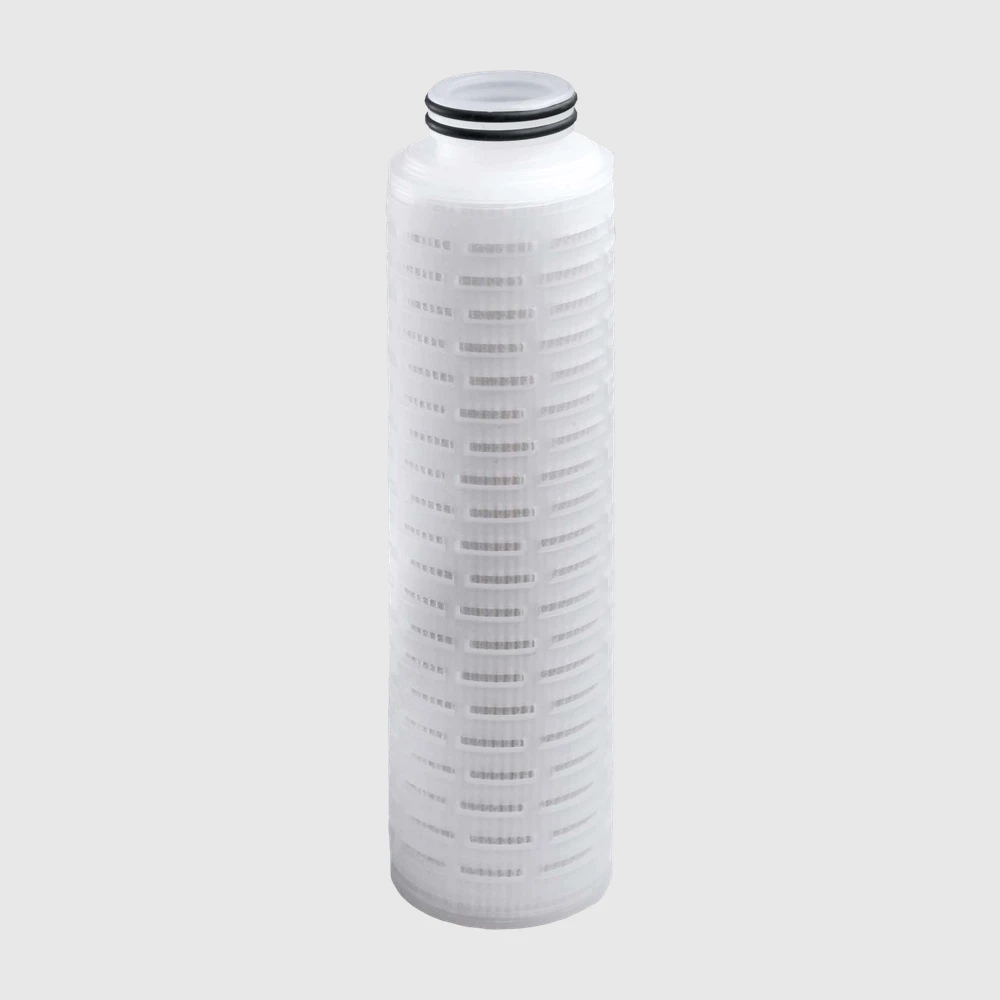
Electronic-Grade PP Filter
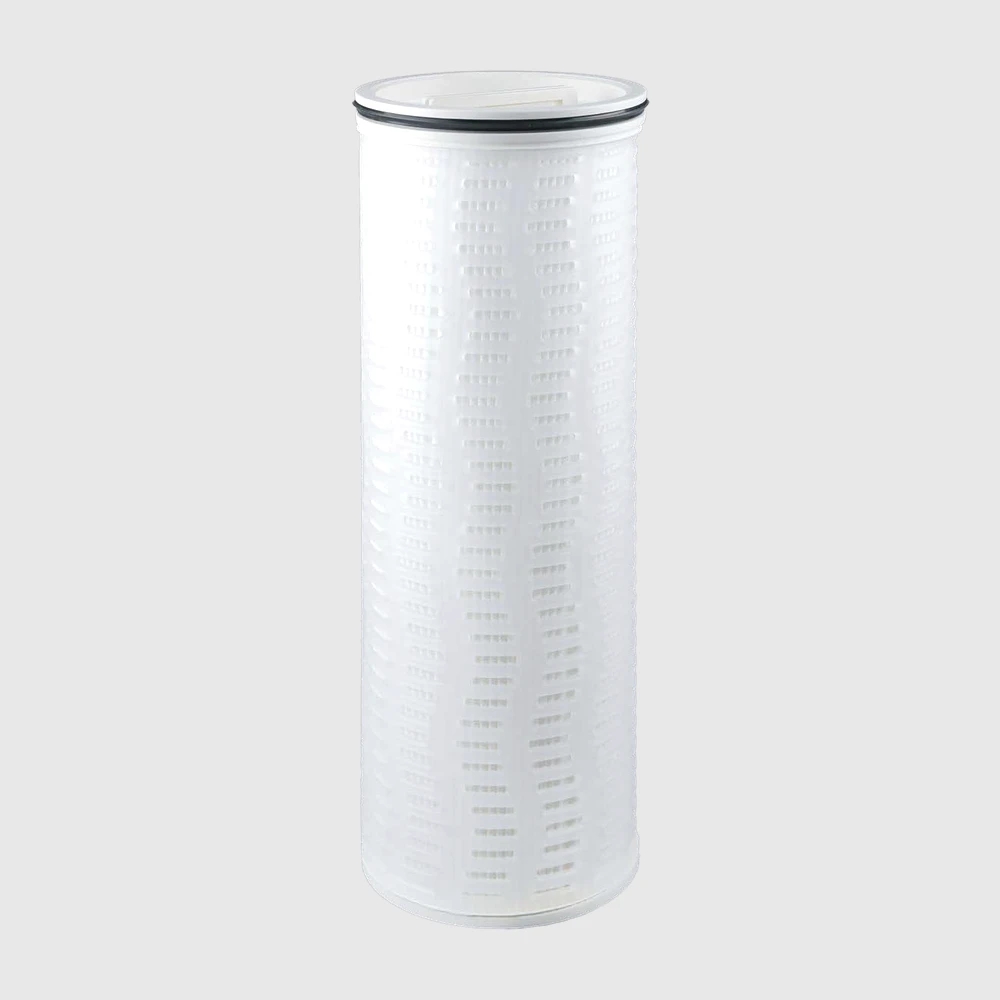
High-Flow Large-Diameter Filter for UPW
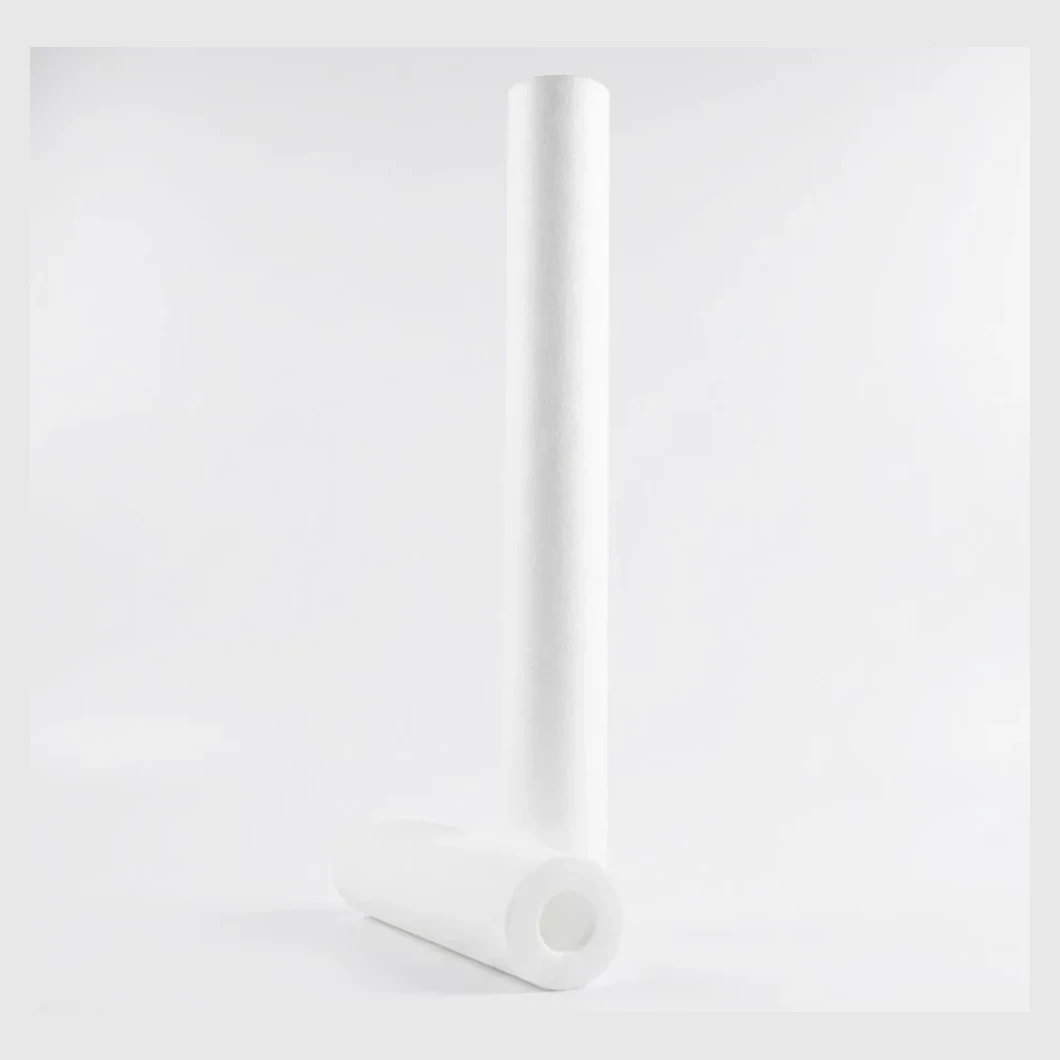
Rolled PP Long-Life Pre-RO Filter
Process vs. Retention Rating
Retention requirements span a wide range even within one process step. Fix the process segment first, then work down to media and construction.
CMP Media Structures Compared
The four constructions capture particles by different mechanisms and suit different slurry conditions. Trial them in parallel and decide on measured scratch counts and change-out intervals.
Melt-blown depth
Continuous open-to-tight gradient; contaminant distributed through the full thickness for maximum dirt-holding
JY-CM31D / CM32D
Rolled
Continuously wound with ordered fiber arrangement and a tight pore distribution for the highest retention efficiency
JY-CM31R / CM32R
Pleated
Large area and low pressure drop, suited to high-solids and agglomeration-prone slurries
JY-CM33
Dual-layer pleated / rolled
Pleated outer layer carries capacity, rolled inner layer carries retention — both in one element
JY-CM61
Process Chemical Compatibility Chart
Listed by actual semiconductor process chemistry against the six main media used in this category. Ratings are general guidance — actual concentration, temperature and exposure time will change the outcome.
| Chemical / condition | Asymmetric PES | Hydrophobic PTFE | Modified PTFE | PP | Nylon 66 | UPE / HDPE |
|---|---|---|---|---|---|---|
| DIW / UPW ambient | ◎ | ◎ | ◎ | ◎ | ◎ | ◎ |
| SC1 (NH₄OH/H₂O₂) ≤80°C | ◎ | ◎ | ◎ | ○ | △ | ○ |
| SC2 (HCl/H₂O₂) ≤80°C | ◎ | ◎ | ◎ | ○ | △ | ○ |
| SPM (H₂SO₄/H₂O₂) 125–160°C | ✕ | ◎ | △ | ✕ | ✕ | ✕ |
| H₂SO₄ 98% 20°C | △ | ◎ | ○ | △ | ✕ | △ |
| HNO₃ 70% 20°C | △ | ◎ | △ | △ | ✕ | △ |
| H₃PO₄ ≤60°C | ○ | ◎ | ◎ | ○ | △ | ○ |
| HCl 37% 20°C | ◎ | ◎ | ◎ | ○ | △ | ○ |
| DHF 10% 20°C | ◎ | ◎ | ◎ | ○ | △ | ○ |
| BOE (NH₄F:HF) 20°C | ○ | ◎ | ◎ | ○ | △ | ○ |
| TMAH 5% 20°C | ◎ | ◎ | ◎ | ◎ | ○ | ◎ |
| NH₄OH 30% 20°C | ◎ | ◎ | ◎ | ◎ | ○ | ◎ |
| H₂O₂ 30% 20°C | ◎ | ◎ | ◎ | ○ | △ | ○ |
| IPA 20°C | ◎ | ◎ | ◎ | ◎ | ◎ | ◎ |
| PGMEA / PGME 20°C | ○ | ◎ | ◎ | ○ | ○ | ◎ |
| O₃ water 10 ppm 20°C | △ | ○ | △ | △ | ✕ | △ |
| CMP slurry (silica / alumina) ambient | ◎ | ○ | ○ | ◎ | ◎ | ◎ |
← 左右滑動可看完整欄位
- ◎ = Long-term compatible, use directly
- ○ = Generally compatible, watch concentration and temperature limits
- △ = Conditional, run a soak test first
- ✕ = Clearly incompatible or loses mechanical strength
This chart is a starting point for selection, not an acceptance criterion. Before deployment, run soak tests plus flow and integrity re-checks at your actual concentration, temperature and run time.
Other options for these processes
The products below serve the same three process segments but are filed under other categories by form factor. Open any of them for full specifications and the part-number builder.
Semi-grade PES Pleated Filter (HDPE core)
Asymmetric PES, HDPE/fluoropolymer hardware · 1nm–1µm · 70°C
Semi-grade PES Pleated Filter (PP core)
Asymmetric PES, PP hardware · 5nm–1µm · 90°C
Semi-grade All-PTFE Pleated Filter
Hydrophobic PTFE, all-PFA hardware · 10nm–10µm · 180°C
Semi-grade All-PTFE Disposable Capsule Filter
One-piece, in-line / T-flow · 10nm–1µm · 180°C
Semi-grade PTFE Pleated Filter (HDPE core)
Three PTFE types, HDPE hardware · 20nm–1µm · 70°C
Semi-grade PTFE Pleated Filter (PP core)
Three PTFE types, PP hardware · 20nm–1µm · 90°C
Frequently Asked Questions
Why organise semiconductor filters by process instead of by material?
For CMP, is a finer retention rating always better?
How do I choose between depth, rolled, pleated and dual-layer CMP filters?
What is the difference between all-PFA and HDPE/PP hardware — is the premium worth it?
For UPW pre-filtration, rolled or melt-blown PP?
How do I read a JIUNYUAN part number?
Technical Articles in This Category
Understand the principles and how to read the specs before you choose.
Filter Selection for Hot Phosphoric Acid and SPM: Why All-Fluoropolymer Construction Matters
Hot phosphoric acid for nitride etch and SPM for resist strip are two of the harshest wet-process chemistries. A PTFE membrane is not enough on its own — if the hardware, end caps or O-rings fail, the whole filter fails. Using a chemical compatibility chart and real all-fluoropolymer ratings, this article covers pressure derating at temperature, cold-start viscosity, SPM outgassing and dewetting, and a selection checklist.
Multi-Stage Filtration Design Logic for Semiconductor UPW Systems
Semiconductor ultrapure water (UPW) quality targets far exceed pharmaceutical-grade water: ASTM D5127 Type E-1 mandates resistivity ≥18 MΩ·cm, TOC <2 ppb and fewer than 0.1 particles/mL at ≥0.05 µm. No single technology removes ions, organics, particles and microorganisms at once, so multi-stage design is a necessity.
UPW Filter Cartridge TOC & Particle Control: Reading Critical Specifications
TOC in ultrapure water (UPW) originates from three primary pathways: RO membrane leachates, ion-exchange resin bleed, and atmospheric CO₂ ingress — filter cartridge extractables are the most overlooked contributor. ITRS/IRDS specifications require TOC below 2 ppb for advanced-node UPW.
How Wrong Filter Selection Hurts Wafer Yield
A 12-inch wafer is worth ~USD 1,200 — one bad filter can scrap an entire batch. This article maps the 5 yield-loss paths, real incidents, ROI math (USD 8K vs USD 2M), and qualification SOPs.
Need a Custom Solution?
Custom sizes, materials or validation protocols — we can build the solution around your process.
Request Customization