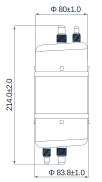
- Filter media / membrane
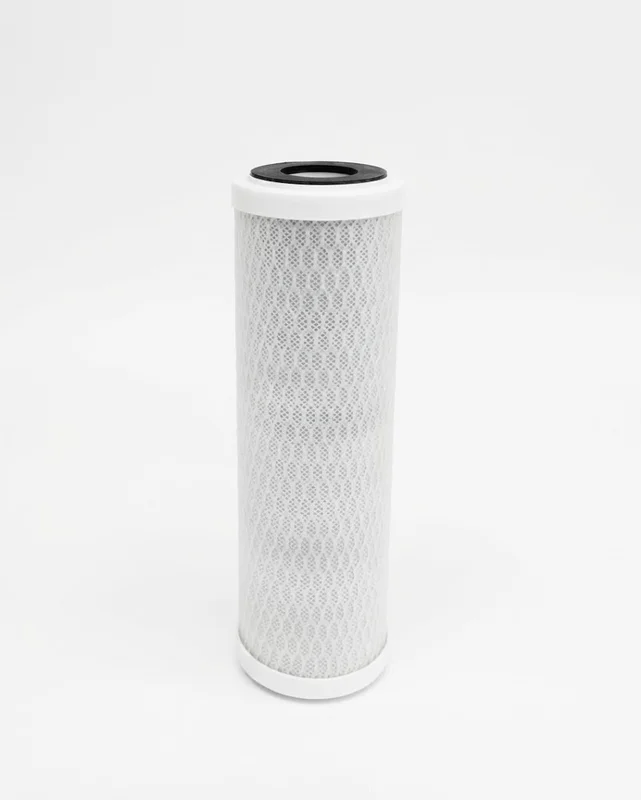
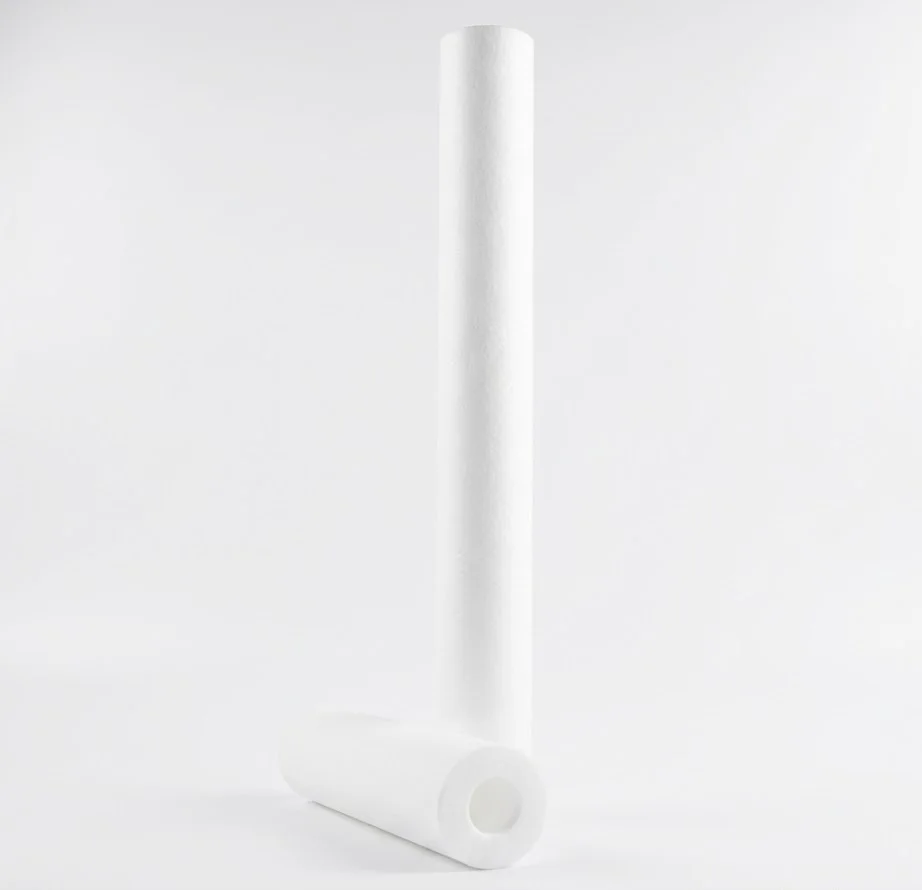
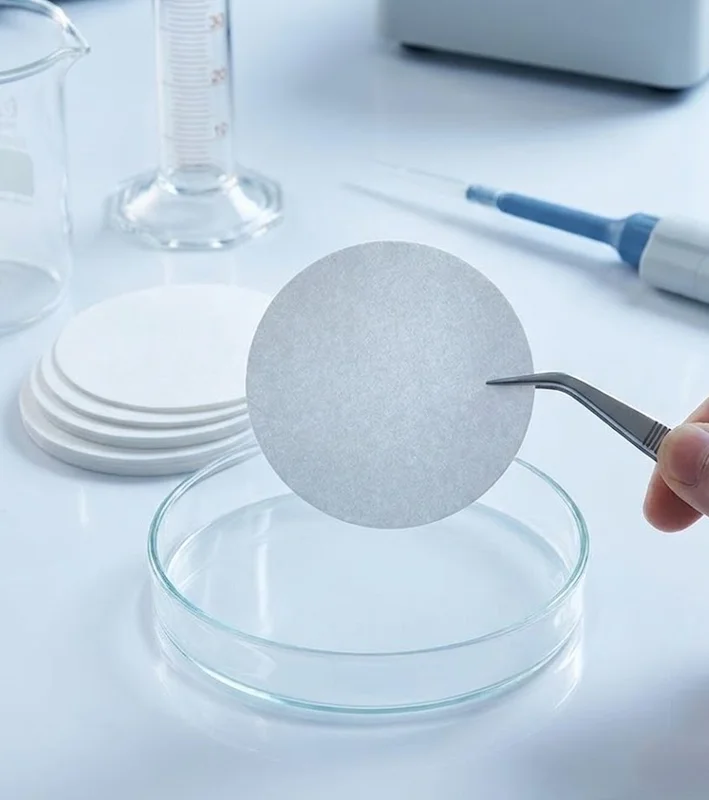
- Melt-blown polypropylene micro/nanofibre depth media, or depth-pleated polypropylene; the pore structure is tuned to intercept the agglomerates and gels that scratch wafers while letting the working abrasive through, so the particle size distribution stays unchanged
- Support & drainage layers
- Polypropylene support and drainage layers; the low-loss flow path leaves the available ΔP at the point of use to the process rather than the filter
- Body material
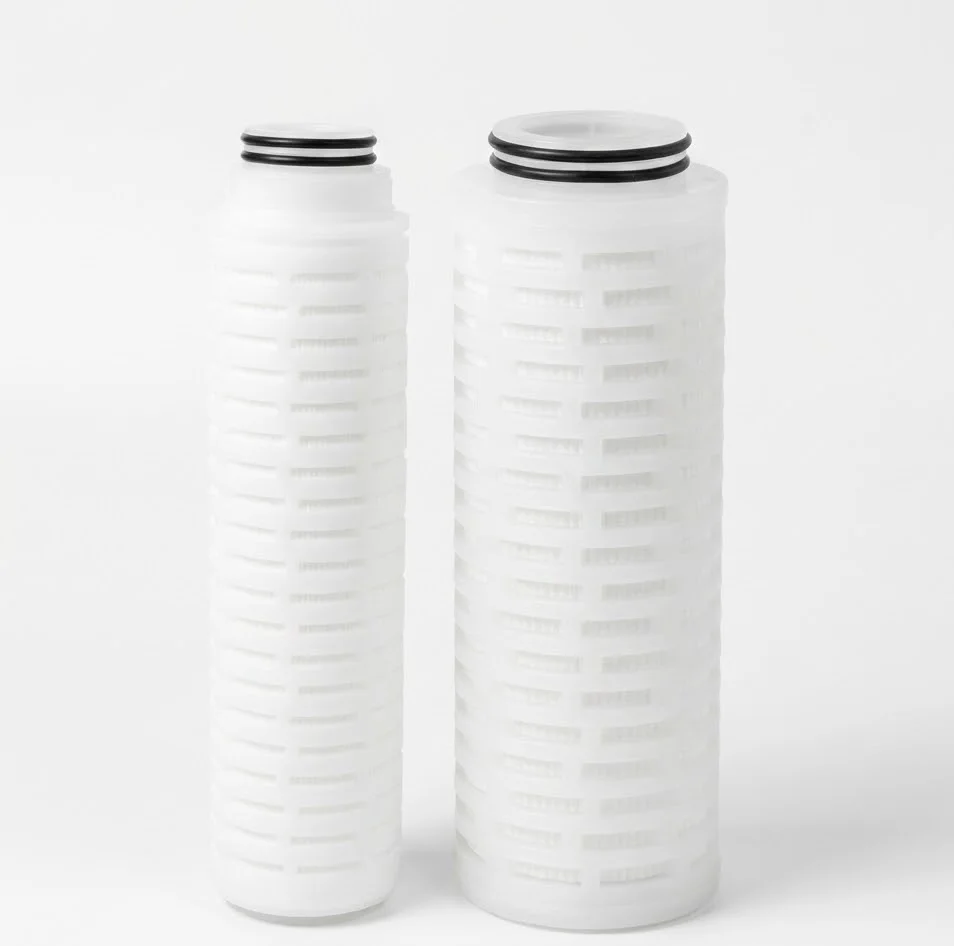
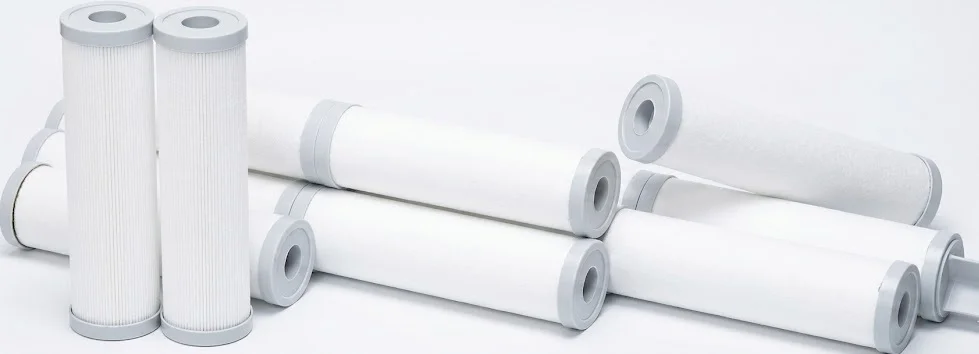
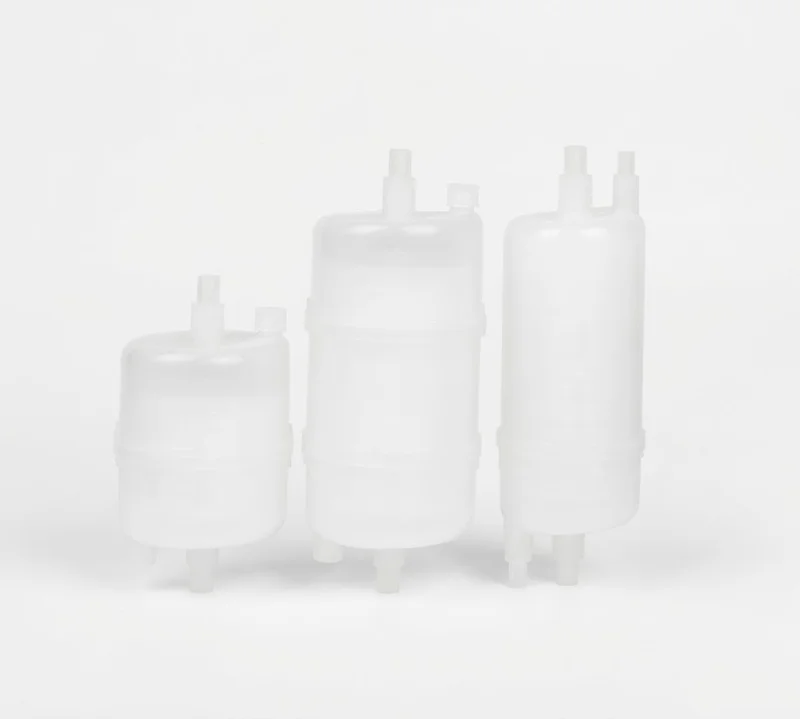
- One-piece polypropylene shell, core and end caps, thermally welded throughout with no O-rings and no metal parts; the all-polypropylene build costs considerably less per unit than a fluoropolymer construction
- Seals / O-rings
- The body is thermally welded with no main O-ring, removing one slurry-contact interface and one place for particles to lodge; the slurry-optimised build uses EPDM port gaskets
- Micron rating
- Melt-blown depth: 50 nm, 70 nm, 0.1, 0.2, 0.3, 0.5, 0.7, 1.0 µm; pleated: 1.5, 3.0, 5.0, 10 µm
- Effective filtration area
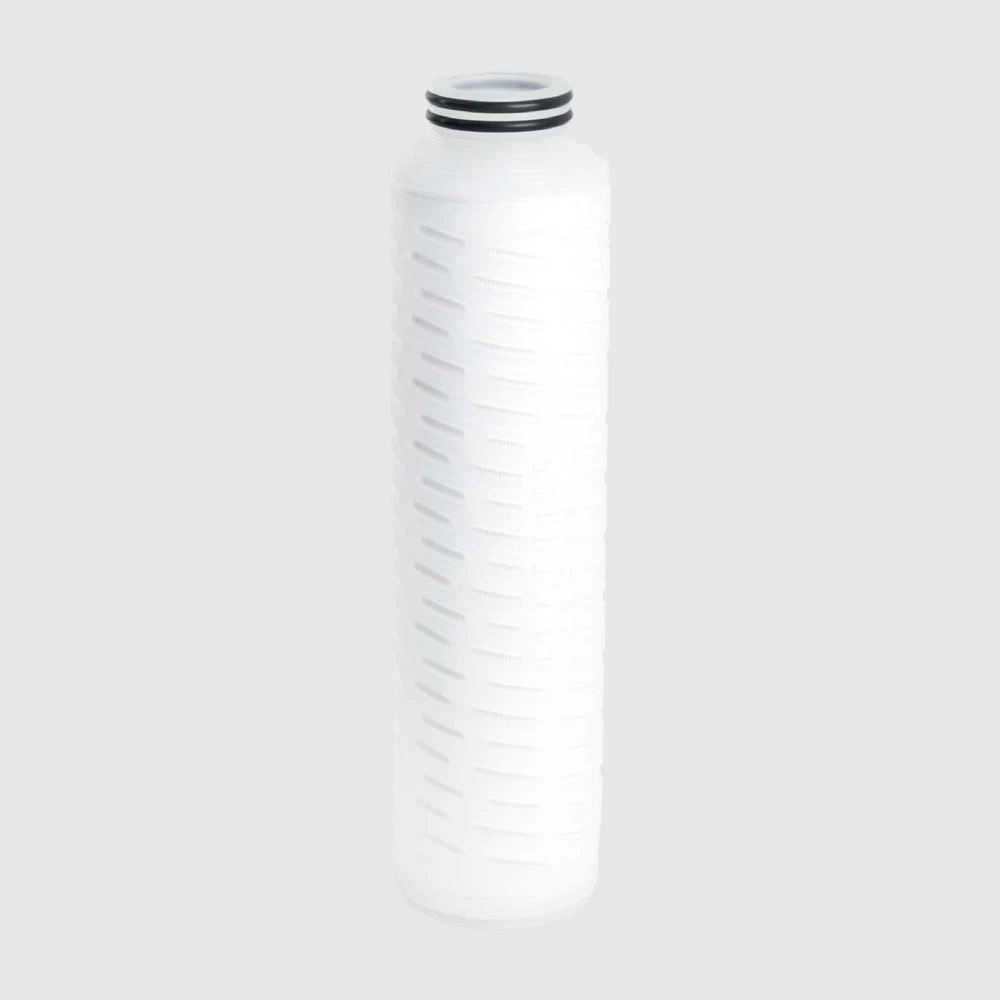
- Depth builds are selected on dirt-holding capacity rather than membrane area; the pleated build packs more media into the same diameter for high-load duty or longer service life
- Inlet / outlet connections
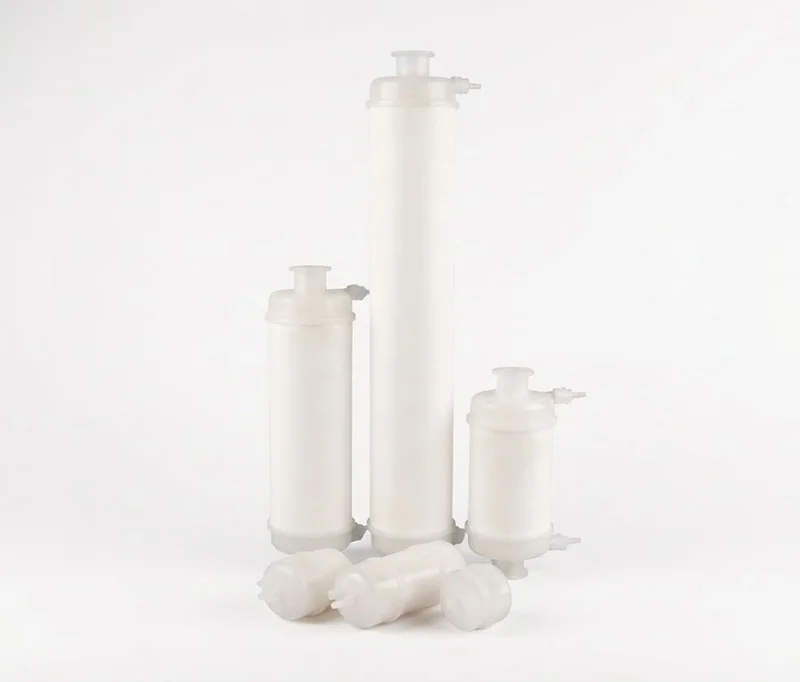
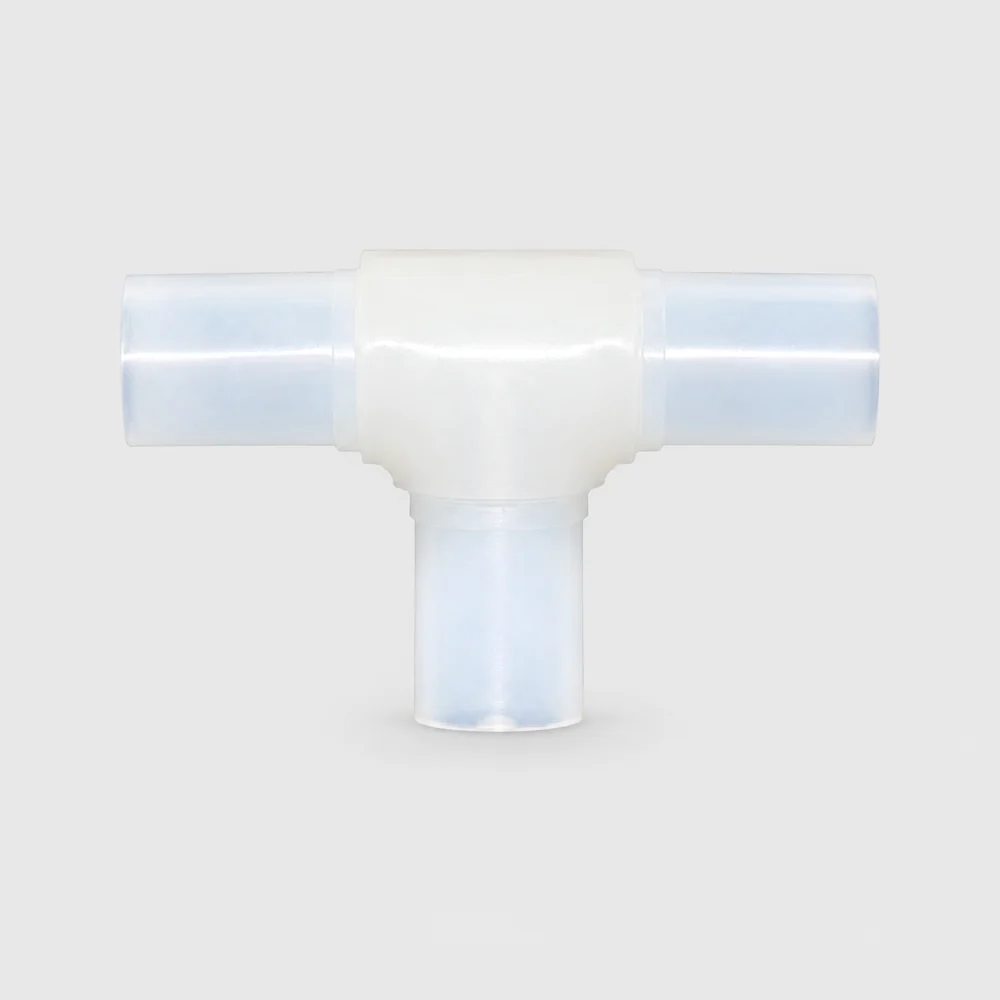
- Inlet/outlet 3/8" flare or 1/4" NPT; the slurry-optimised build also offers a 3/8" flare and a tool-free quick connect
- Hold-up volume
- The compact body keeps hold-up low, which on CMP is a cost item and not just a spec: retained slurry is scrapped at every change-out, and a small volume is also less prone to settling and caking during idle periods. The slurry-optimised build lowers it further
- Vent & drain
- Vent/drain in 1/4" flare or 1/8" NPT; the slurry-optimised build omits the vent/drain altogether to cut dead volume and settling points
- Max operating temperature
- 80 °C
- Max forward differential pressure
- Forward 0.5 MPa (73 psi) @ 25 °C; 0.19 MPa (27 psi) @ 82 °C; reverse 0.21 MPa (30 psi) @ 25 °C. Maximum operating pressure 0.5 MPa (75 psi) @ 25 °C
- Recommended change-out ΔP
- Single-use construction — it is not cleaned or regenerated. Set the change-out ΔP from your process SOP; common practice is 3–5× the clean initial ΔP or half the housing design pressure, whichever comes first
- Sterilisation
- Supplied non-sterile for CMP point-of-use duty; the polypropylene build is rated to 80 °C and takes a UPW flush, but steam treatment is not recommended
- Wetting & flushing
- Supplied dry or UPW pre-wet. At start-up, de-aerate on DI water at low flow and confirm a bubble-free outlet before introducing slurry — trapped air dries out patches of media and seeds caking
- Extractables & cleanliness
- Ultrapure-water flushed for low particle shedding, with an electronic grade also available
- Integrity test
- Both the depth and pleated media are nominally rated, so bubble-point testing does not apply; ΔP and particle removal efficiency are verified batch by batch
- Packaging
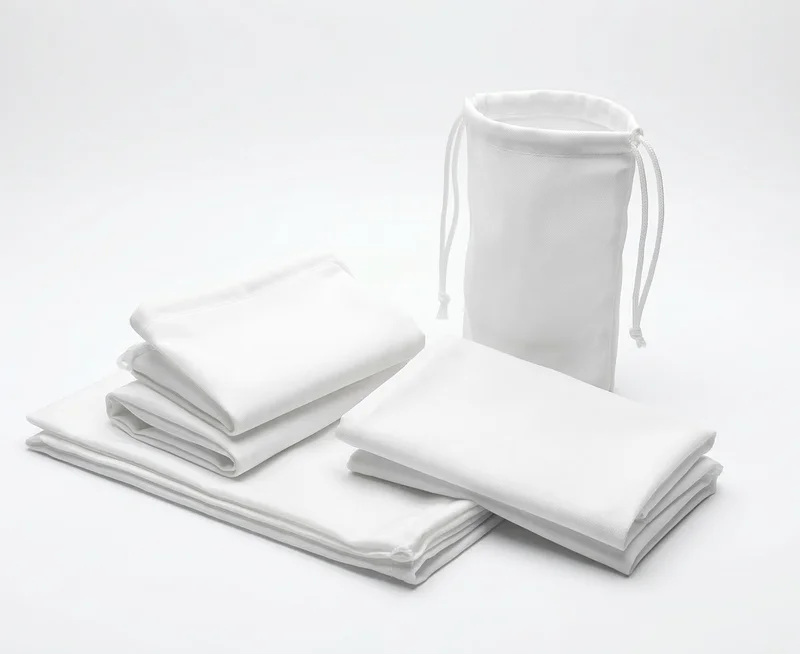
- Dry packed; UPW pre-wet packed
- Regulatory & validation
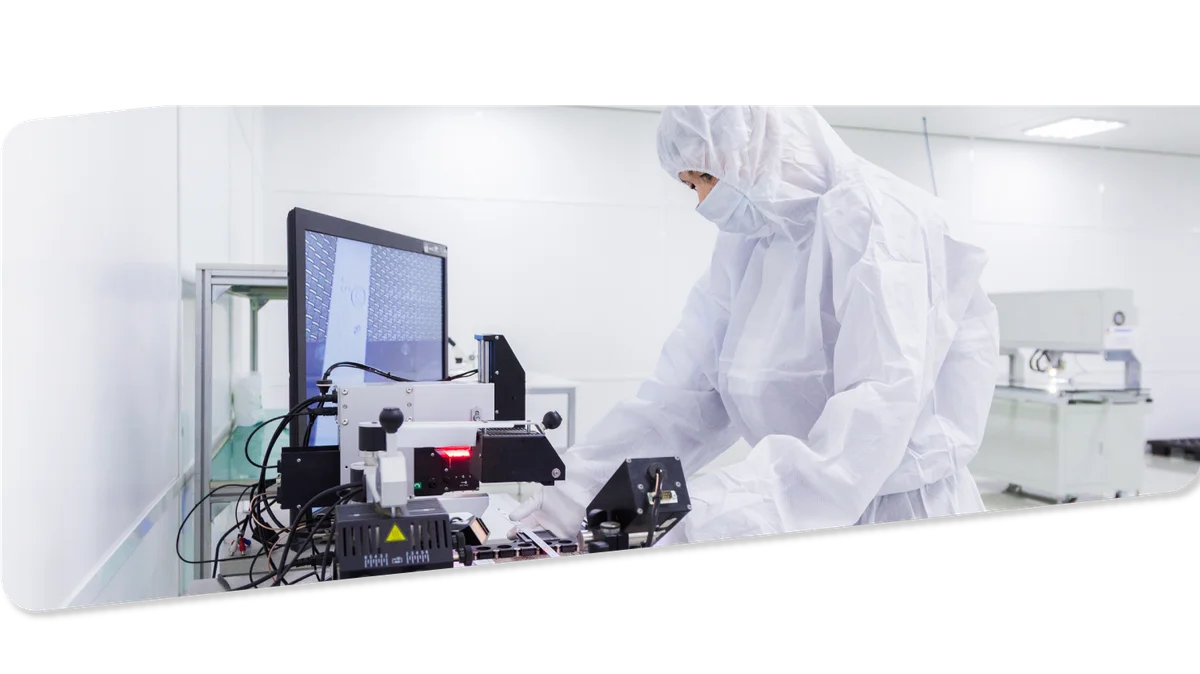
- Assembled, cleaned and packed in a cleanroom
Note: actual compatibility and service life depend on chemical concentration, temperature, flow, differential pressure, upstream contamination load and housing design. Validate under your real process conditions.