
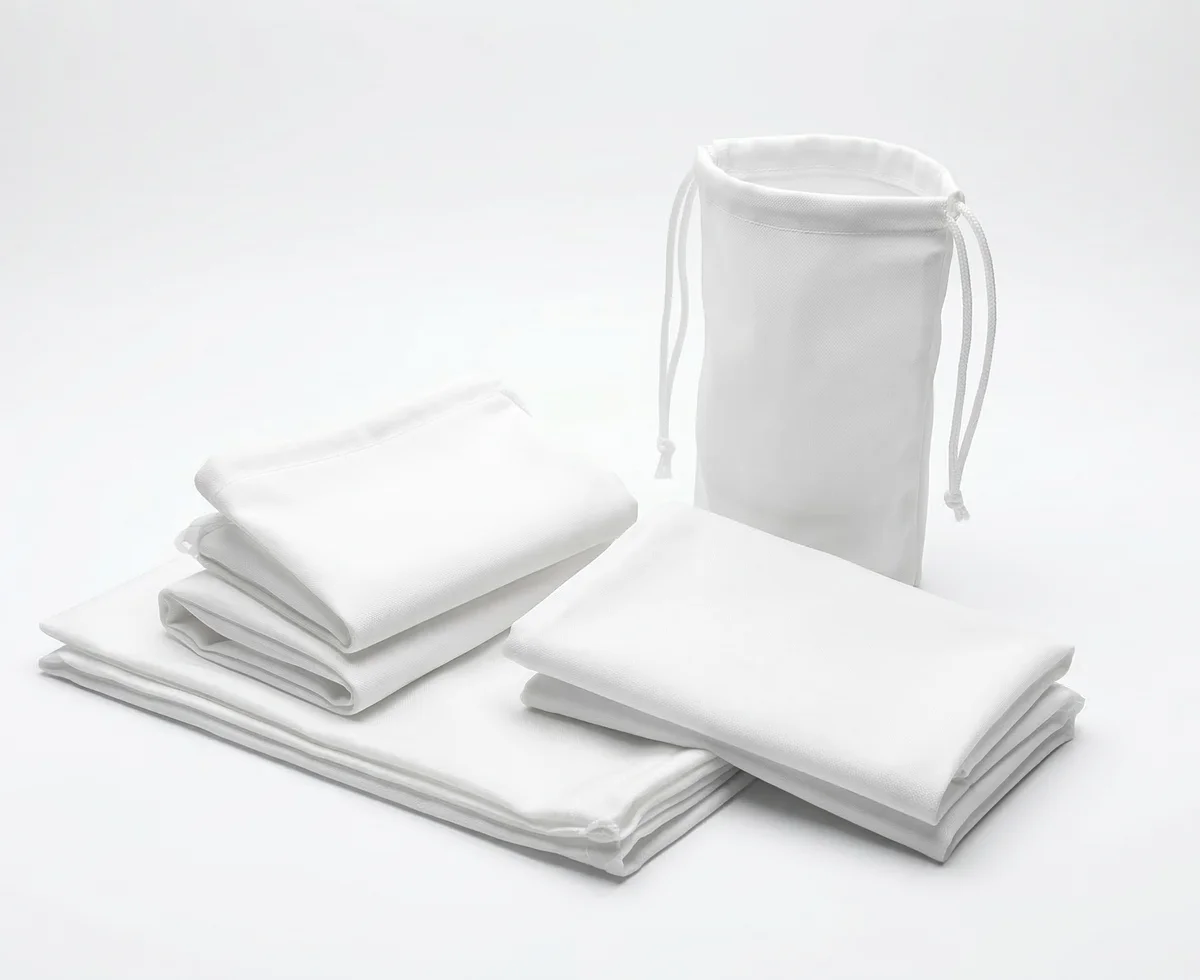
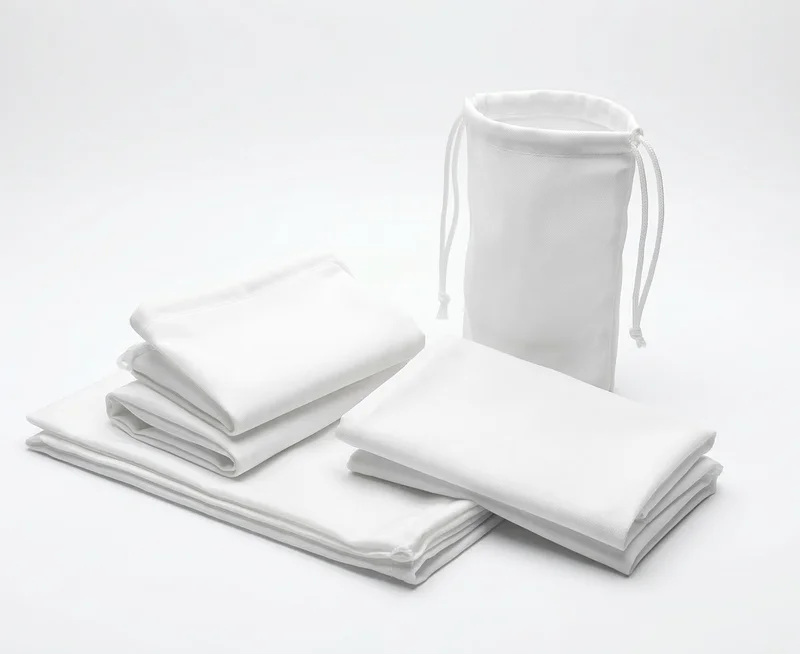
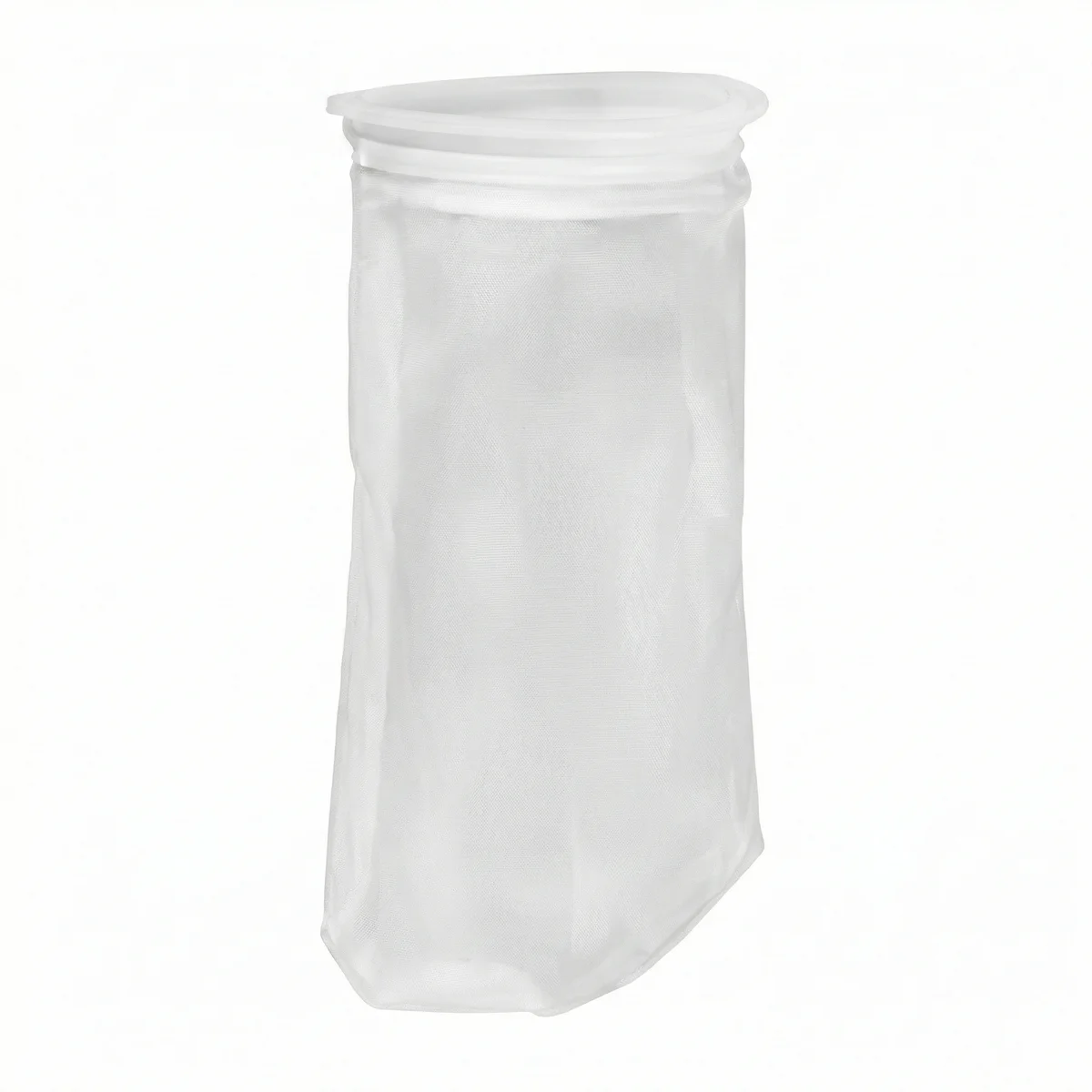
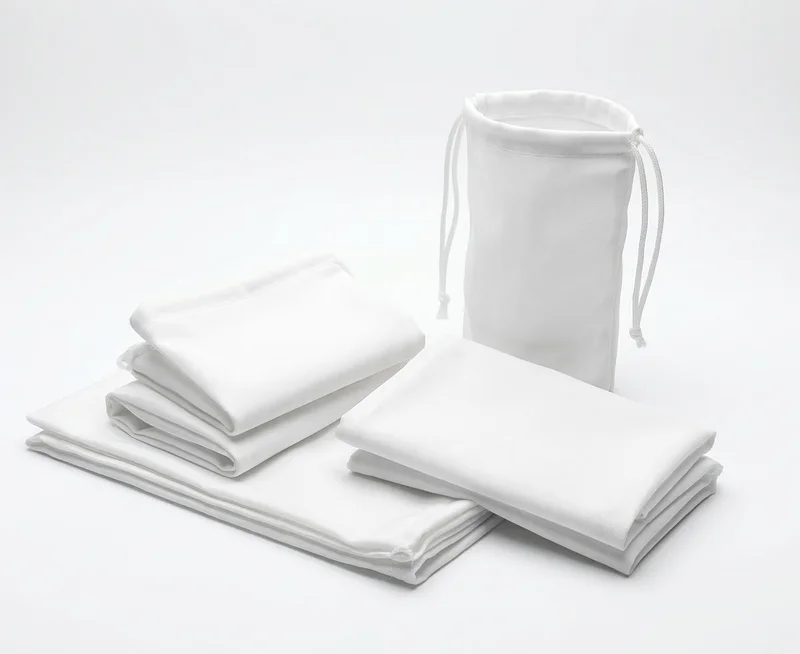
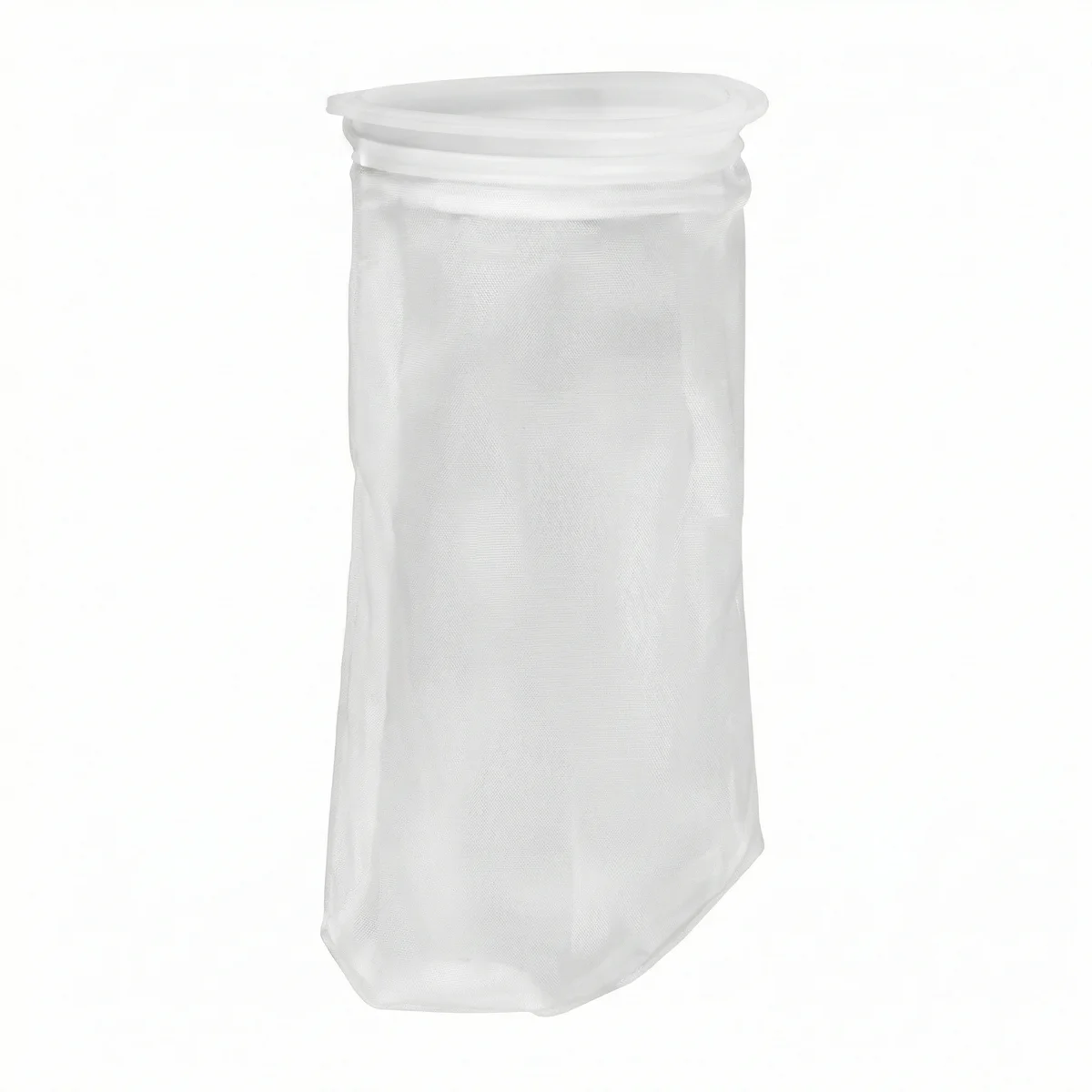
Filter bags are sewn or welded bag-shaped filter elements made from PP, PE, Nylon monofilament or non-woven felt media, used with single-bag or multi-bag housings as the preferred choice for high-flow, low-cost pre-filtration. Compared with pleated cartridges, filter bags offer high dirt-holding capacity, easy changeout, and reusability (felt excluded), reducing operating cost by 60% or more.
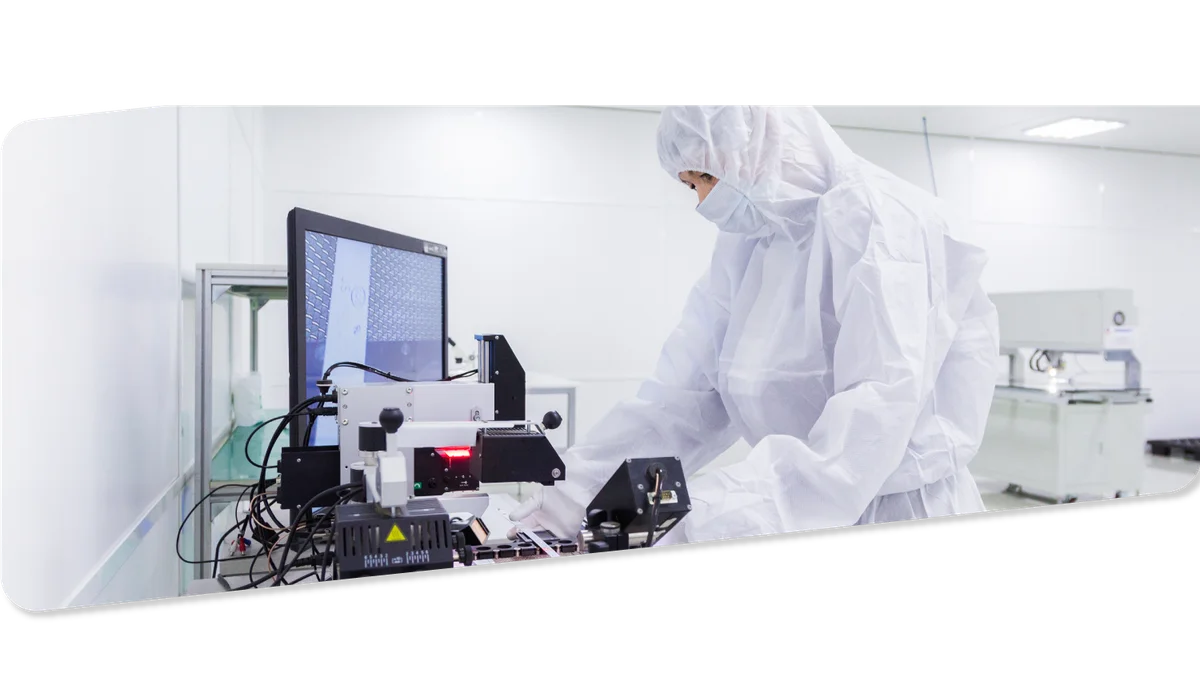
Two product lines are offered by performance: Standard Grade — felt non-woven media at 1–200μm rated retention for general particulate capture; Absolute Grade — melt-blown or thermally-bonded media with ≥99% single-pass retention efficiency for GMP pharmaceutical, chemical point-of-use, and semiconductor pre-filtration. Anode bags for plating use PP or Nylon media qualified for acidic, alkaline and electrolyte environments.
Typical applications: chemical reactor feed pre-filtration, paint and ink clarification, PCB plating bath anode isolation, display fab high-flow water reclaim, food & beverage syrup clarification, oilfield production fluid and frac fluid filtration, and wastewater treatment feed pretreatment.
Frequently Asked Questions
Difference between standard and absolute-grade filter bags?
Can filter bags be reused?
Why use Nylon or PP for plating anode bags?
Technical Articles in This Category
Understand the principles and how to read the specs before you choose.
Industrial Filter Bag Selection Guide: Evaluating Material, Pore Rating, and Service Life Trade-offs
Incorrect filter bag selection causes unplanned downtime and quality failures in industrial plants. This guide systematically covers the six main materials (PE / PP / Nylon / PTFE / Nomex / PVDF) — their chemical compatibility and temperature limits — explains surface vs. depth filtration mechanism differences (nominal vs. absolute pore ratings), compares sewn vs. welded seam safety, matches the four standard bag sizes (#1/#2/#3/#4) to flow requirements, and builds a TCO calculation framework using DHC × replacement frequency × downtime cost, with industry-specific recommendations for paint, food, water treatment, and electroplating applications.
Filter Bag vs. Filter Cartridge: Which Suits Your Process Better?
The consumable unit price gap between filter bags and cartridges can reach 10:1 — but choosing the wrong type costs far more than just materials, adding downtime, product loss, and regulatory exposure. Filter bags offer a 5–10x dirt holding capacity advantage in high-TSS service, while sterile filtration requires integrity testing that only cartridges can support.
Heavy Metal Filtration in Electroplating Wastewater: Treatment Options Compared
Electroplating wastewater contains heavy metals including Cu, Ni, Cr⁶⁺, Cd, Zn, and Ag. Cr⁶⁺ (hexavalent chromium) is the most toxic; Taiwan EPA's regulated limit is 0.5 mg/L. The standard treatment chain runs chemical precipitation (pH adjustment) → flocculation → sedimentation → filtration → polishing, and each stage has a distinct role.
Need a Custom Solution?
Custom sizes, materials or validation protocols — we can build the solution around your process.
Request Customization