
Where it fits
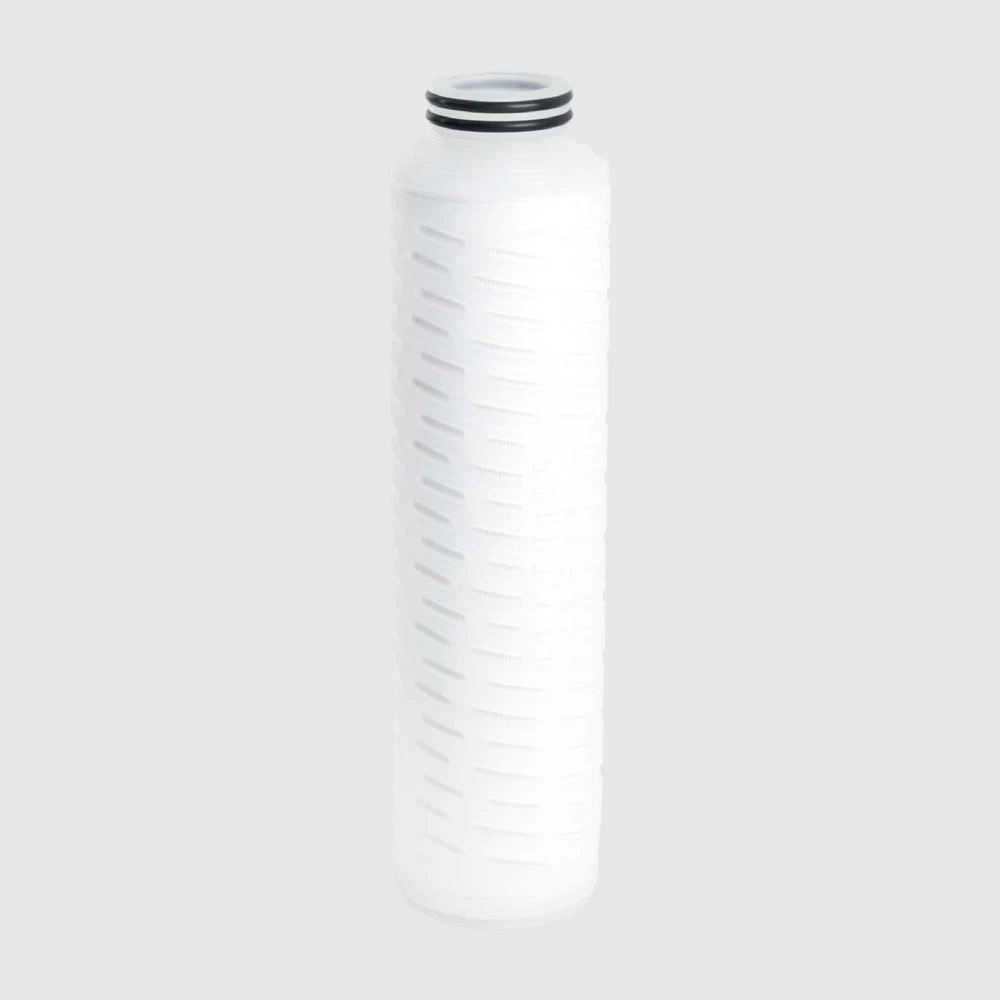
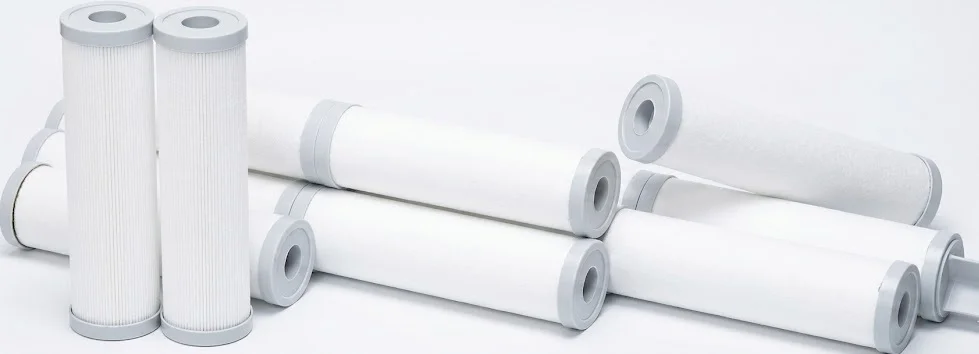
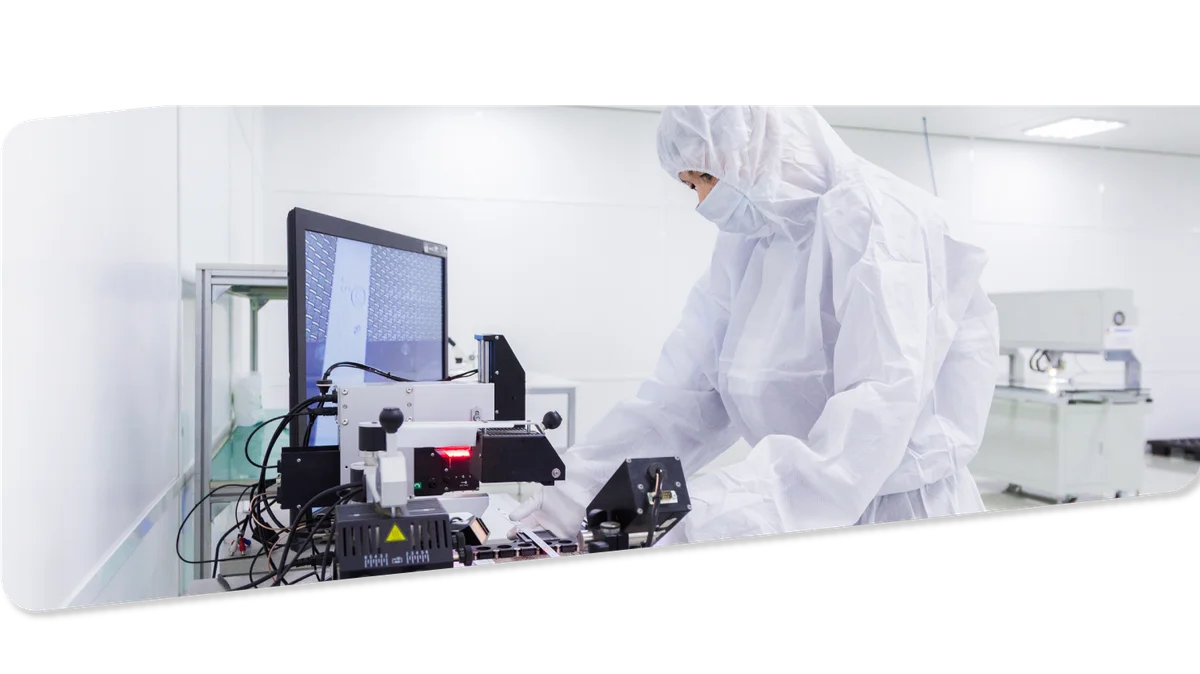
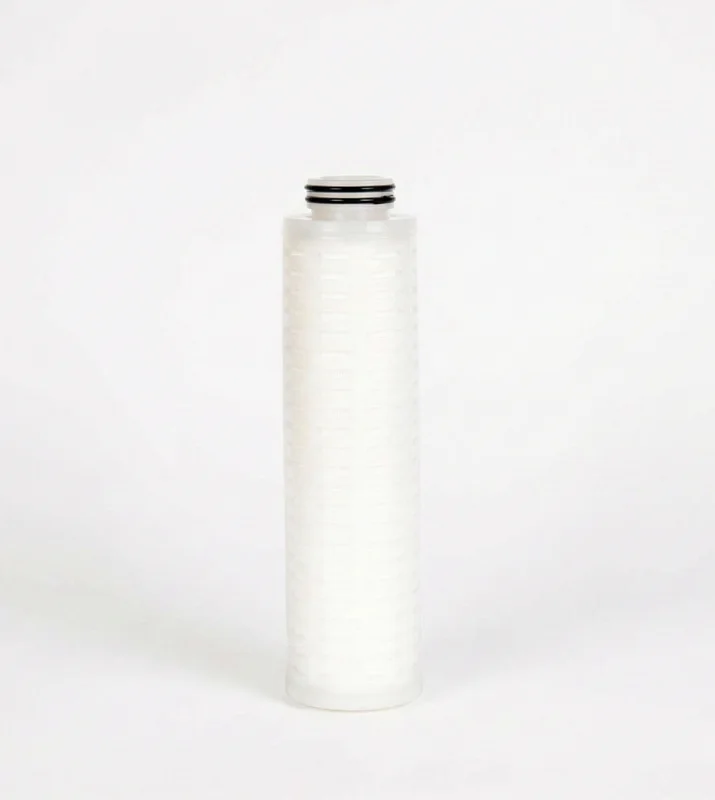
The hydrophilic PTFE pleated cartridge is built for aggressive aqueous solutions: etchants, strippers, developers and cleaning agents — chemistries that attack ordinary polymer membranes yet are water-based. It shows up in semiconductor chemical supply, pharmaceutical processing and ultrapure water systems, all sharing the same problem: harsh chemistry, aqueous stream.
Key characteristics
PTFE is inherently hydrophobic and normally needs an alcohol wet before it will pass water. This cartridge is hydrophilic-treated at the factory, so there is no alcohol soak at start-up and no subsequent flush-out labour or residue risk. On a line that changes elements often, what you save is downtime at every change-out.
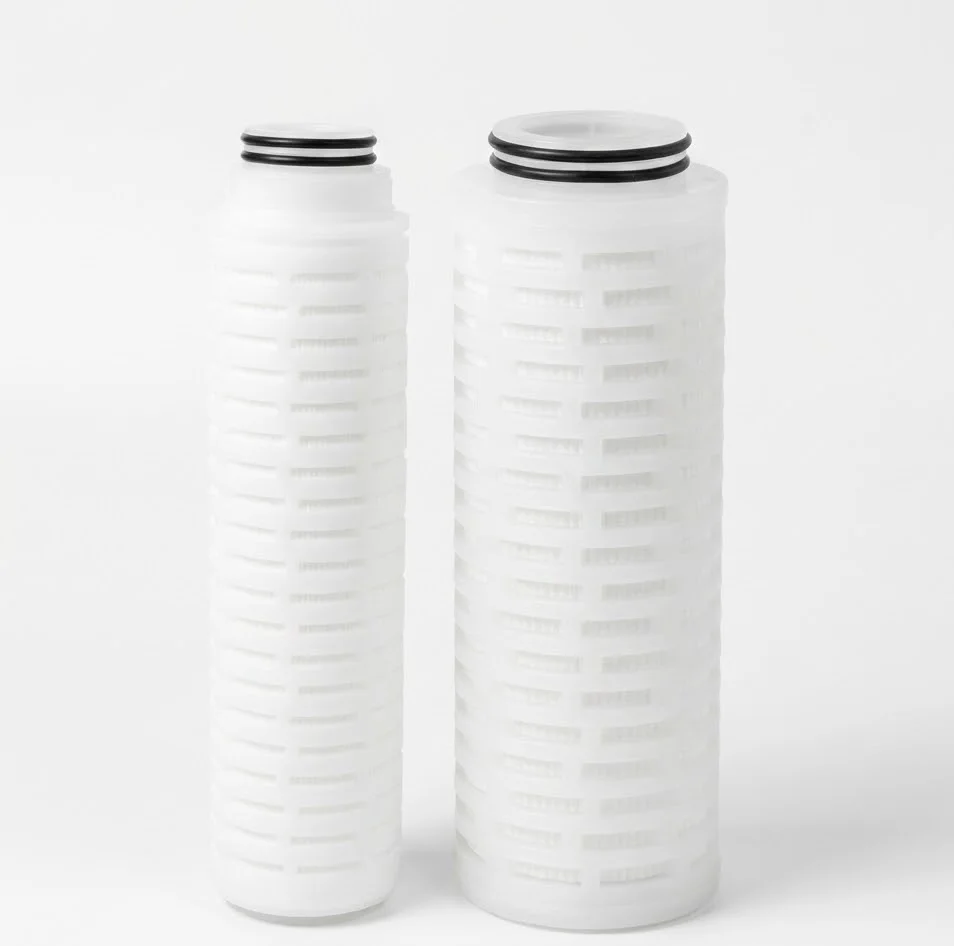
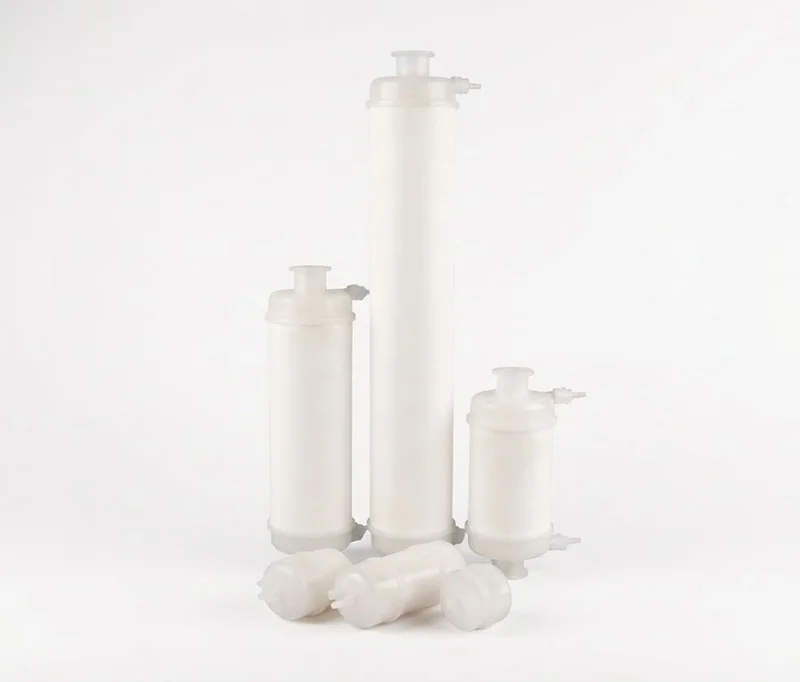
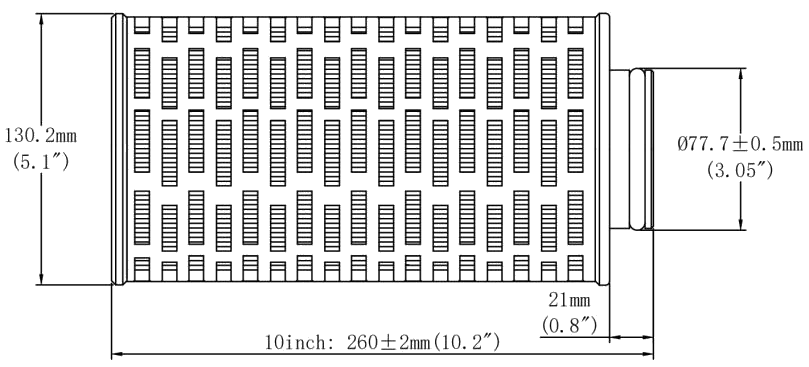
The membrane is biaxially stretched with high porosity and a uniform pore distribution. Four diameters are offered from Ø68 to Ø208; a single Ø208 element carries at least 3.3 m2 of membrane, over four times the Ø68 (at least 0.74 m2). For high-flow duty a single large-diameter element cuts both pressure drop and the number of sealing points.
Choosing between options
All three resist chemistry; they differ in wettability and hardware:
| Cartridge | Wettability | Hardware | Rating range |
|---|---|---|---|
| Hydrophilic PTFE pleated (this) | Hydrophilic treated, alcohol-free | PP | 0.05 – 10 µm |
| Hydrophobic PTFE pleated | Hydrophobic, aqueous needs wetting | PP | 0.05 – 5 µm |
| PVDF pleated | Hydrophilic or hydrophobic | All-PVDF | 0.1 – 1 µm |
Operation & change-out
No alcohol pre-wetting: flush forward with process liquid or purified water and vent trapped air. Change out when ΔP reaches 3–5 times the clean initial value or 0.24 MPa (35 psi).