
Where it fits
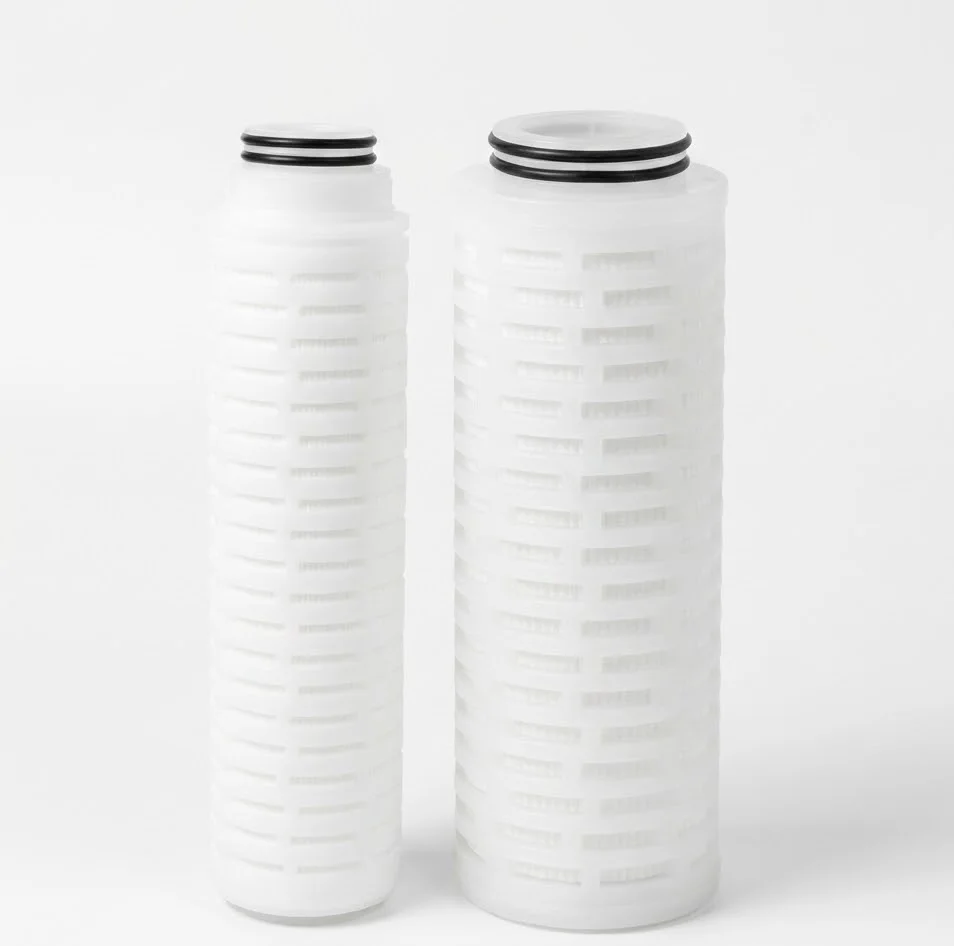
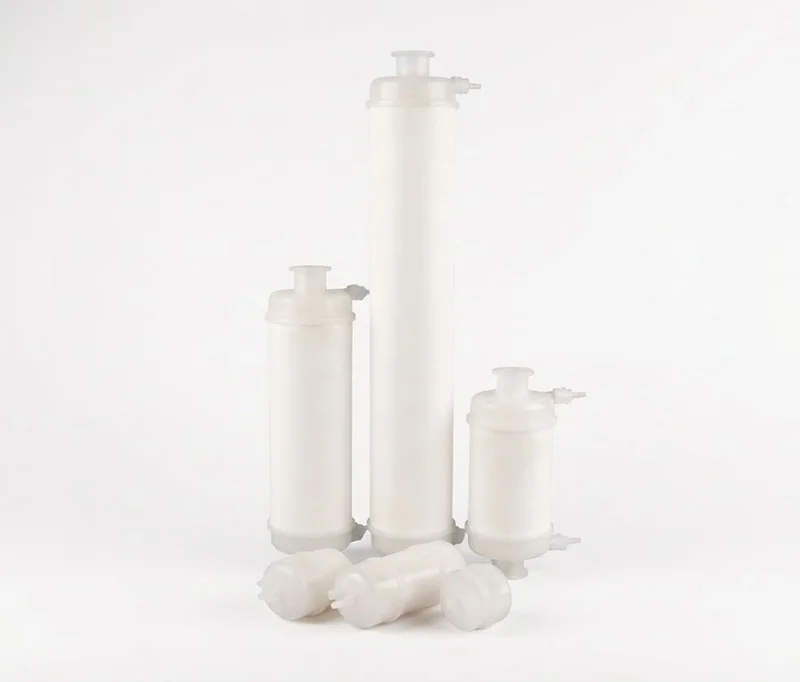
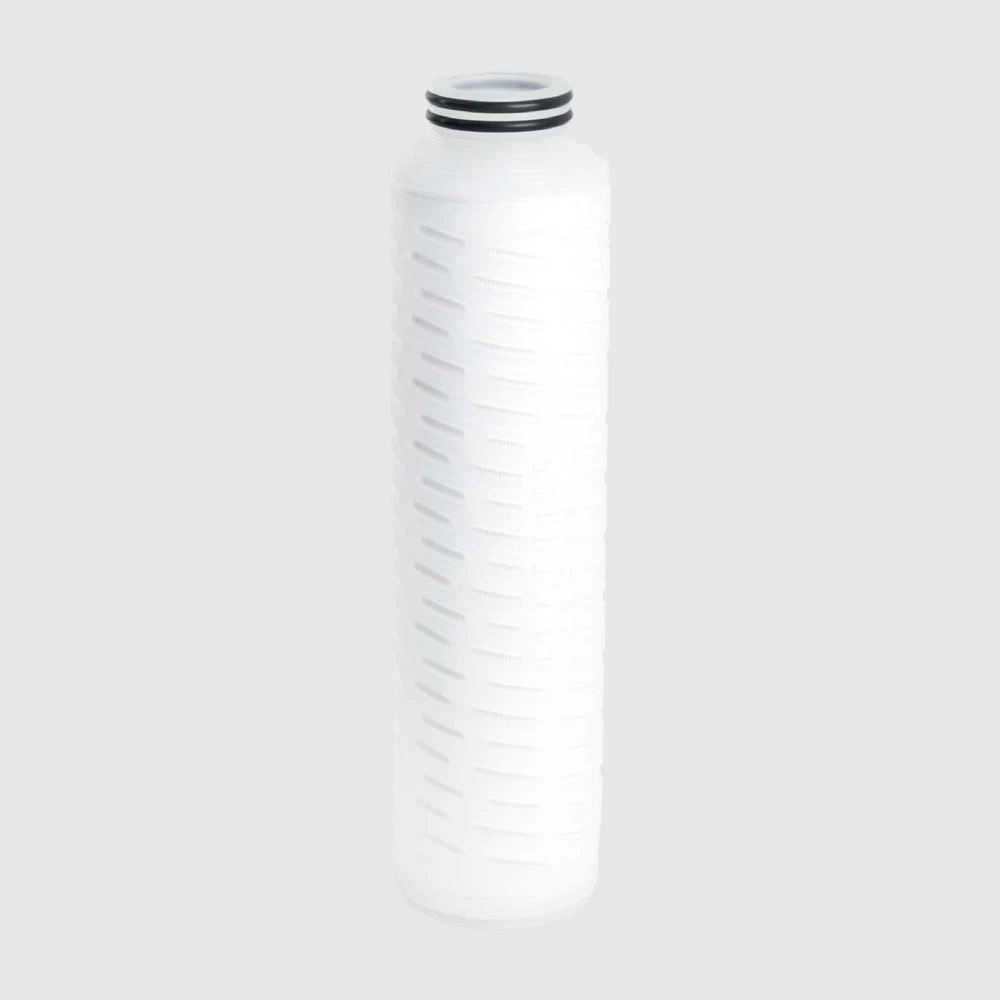
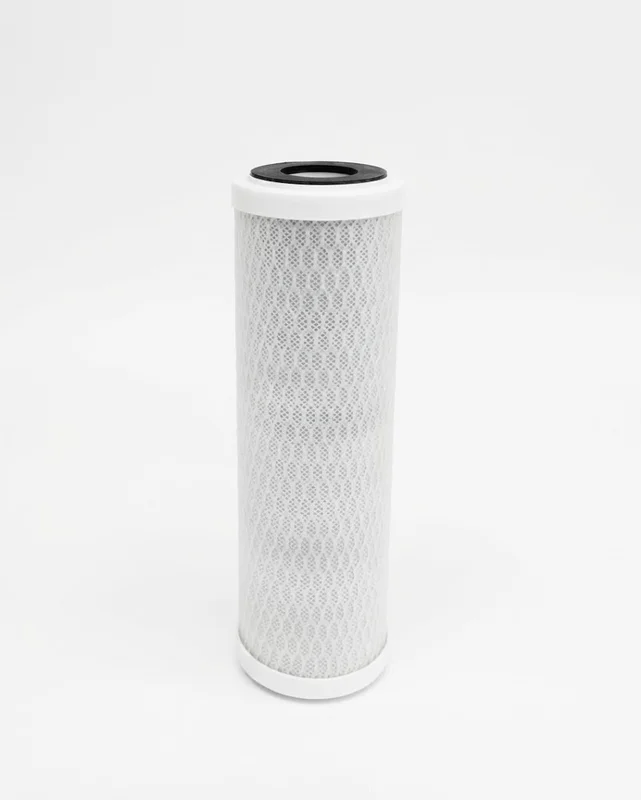
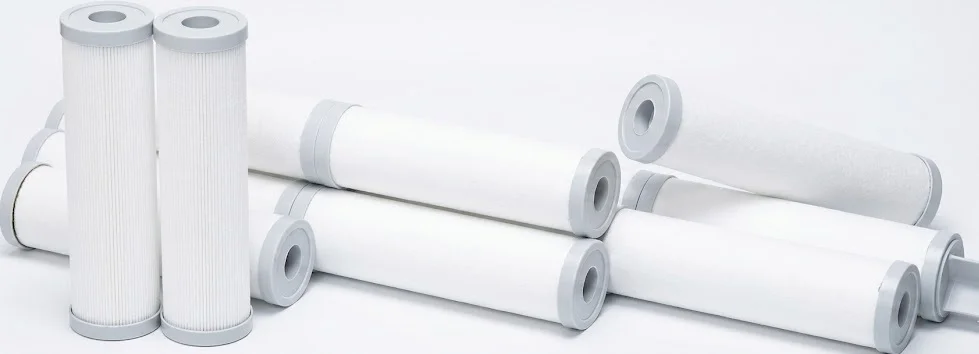
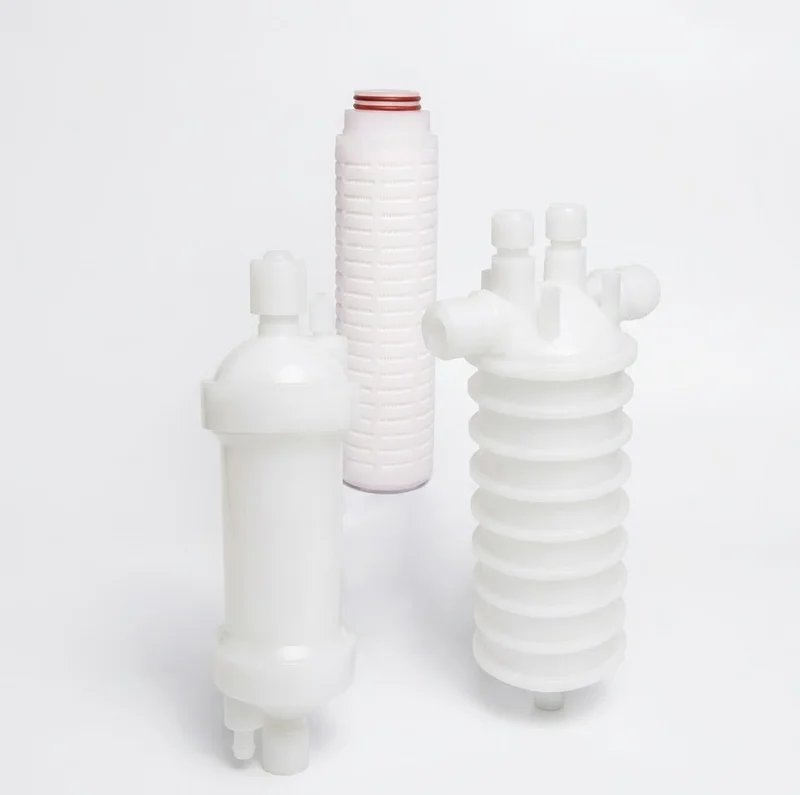
PS pleated cartridges are used for fine filtration in biopharma, high-purity water, biologics and beverage production. Their application overlaps heavily with the PES cartridges in the same family; what actually separates them is low protein binding — and when what you are filtering is expensive, that shows up directly in cost.
Key characteristics
The asymmetric polysulfone membrane narrows from the outer face inward, giving high flux and long life. It is naturally hydrophilic and installs without an alcohol wet.
Low protein binding is the reason to specify it. Protein adsorbed on the membrane is a double loss: product disappears, and the adsorbed layer progressively narrows the pores so flow falls away. For valuable biologics, avoiding that loss is worth more than a little extra initial flux. The ceiling is 80 °C, with 121 °C autoclave and steam-in-place cycles and hot-water sanitisation all supported.
Choosing between options
Three hydrophilic sulfone-membrane options:
| Cartridge | Membrane | Rating range | Choose it when |
|---|---|---|---|
| PS pleated (this) | Asymmetric polysulfone | 0.05 – 1 µm | Low protein binding, minimising adsorptive loss |
| PES pleated | Asymmetric polyethersulfone | 0.05 – 5 µm | Widest choice of ratings |
| Sterilising-grade PES pleated | Asymmetric polyethersulfone | 0.1 / 0.2 / 0.45 µm | A sterile barrier validated by bacterial challenge |
Operation & change-out
Naturally hydrophilic: flush forward with process liquid or purified water and vent trapped air. Change out when ΔP reaches 3–5 times the clean initial value or 0.24 MPa (35 psi).