




Home/Products/PFA-Lined Valves & Fittings/PFA-Lined Tee & Tank-Bottom Diaphragm Valves
PFA-Lined Tee & Tank-Bottom Diaphragm Valves

PFA-Lined Tee & Tank-Bottom Diaphragm Valves

Product ID: pfa-lined-tee-and-tank-bottom-diaphragm-valve|Tri-Clamp Valves

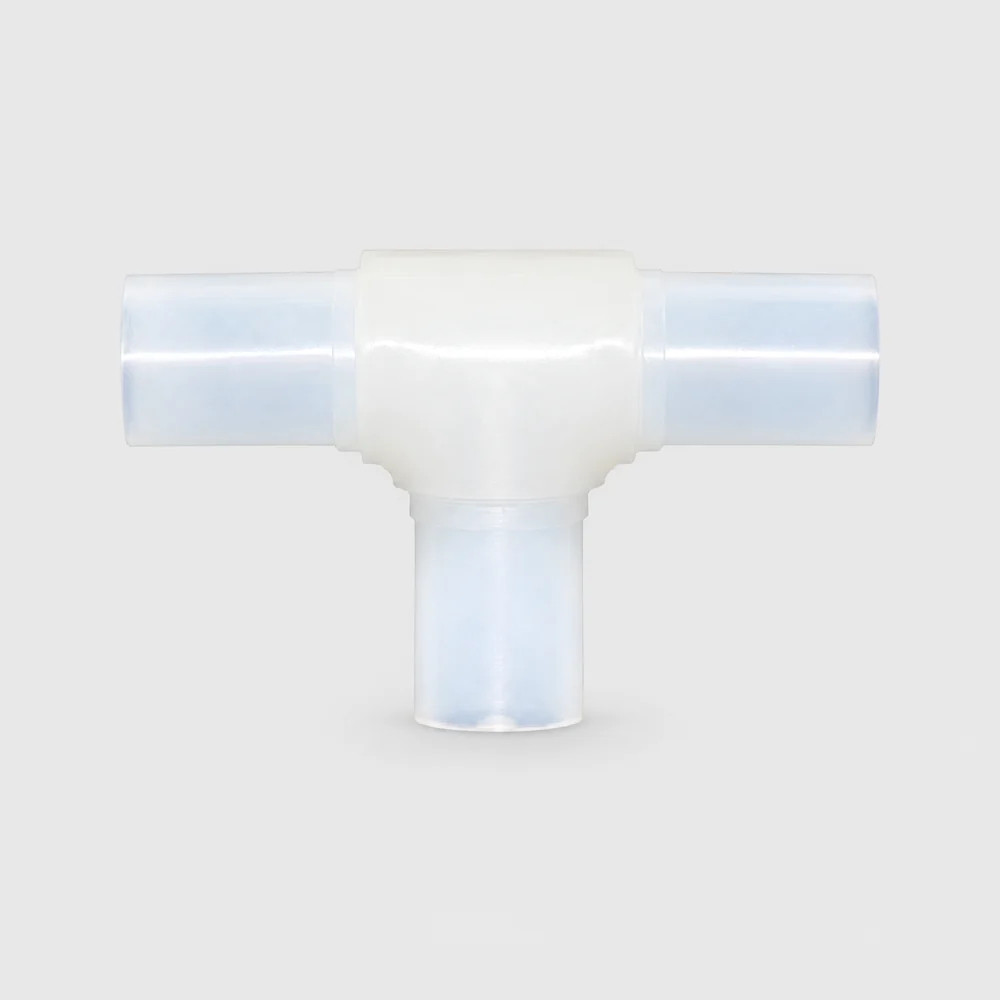
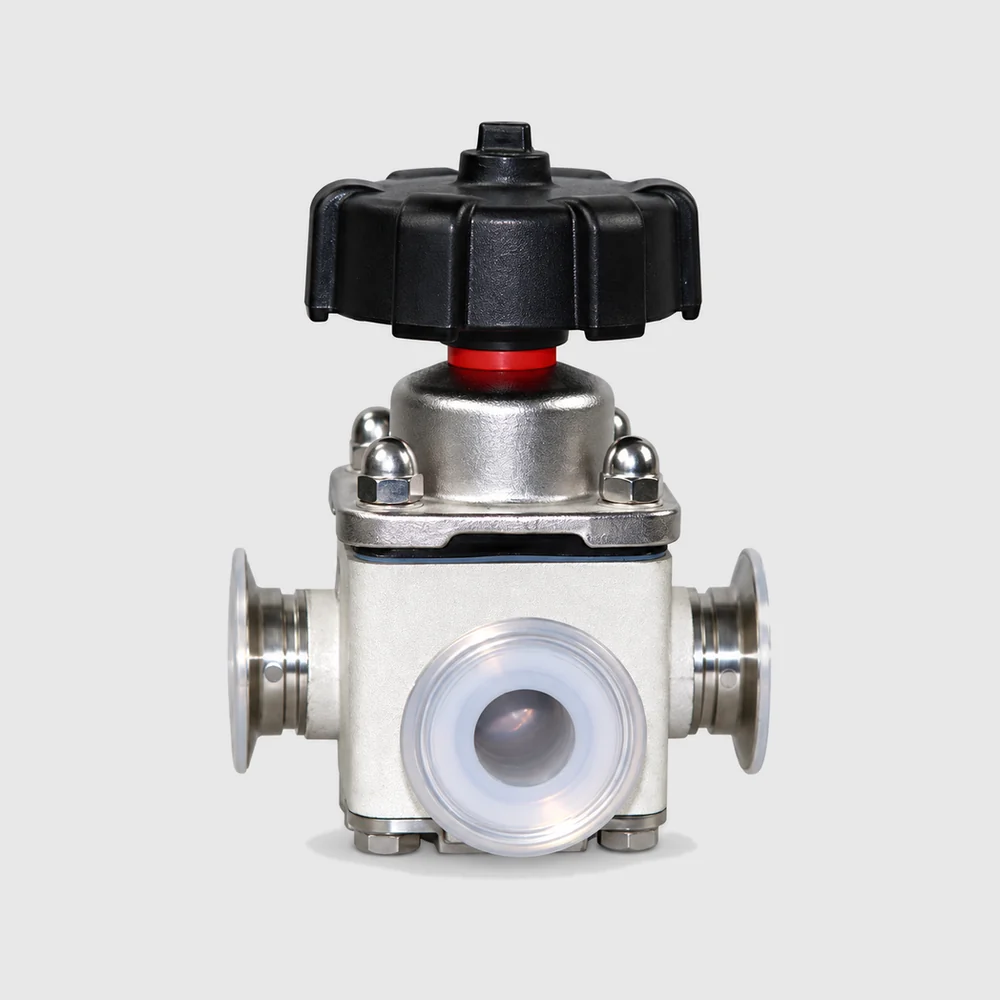
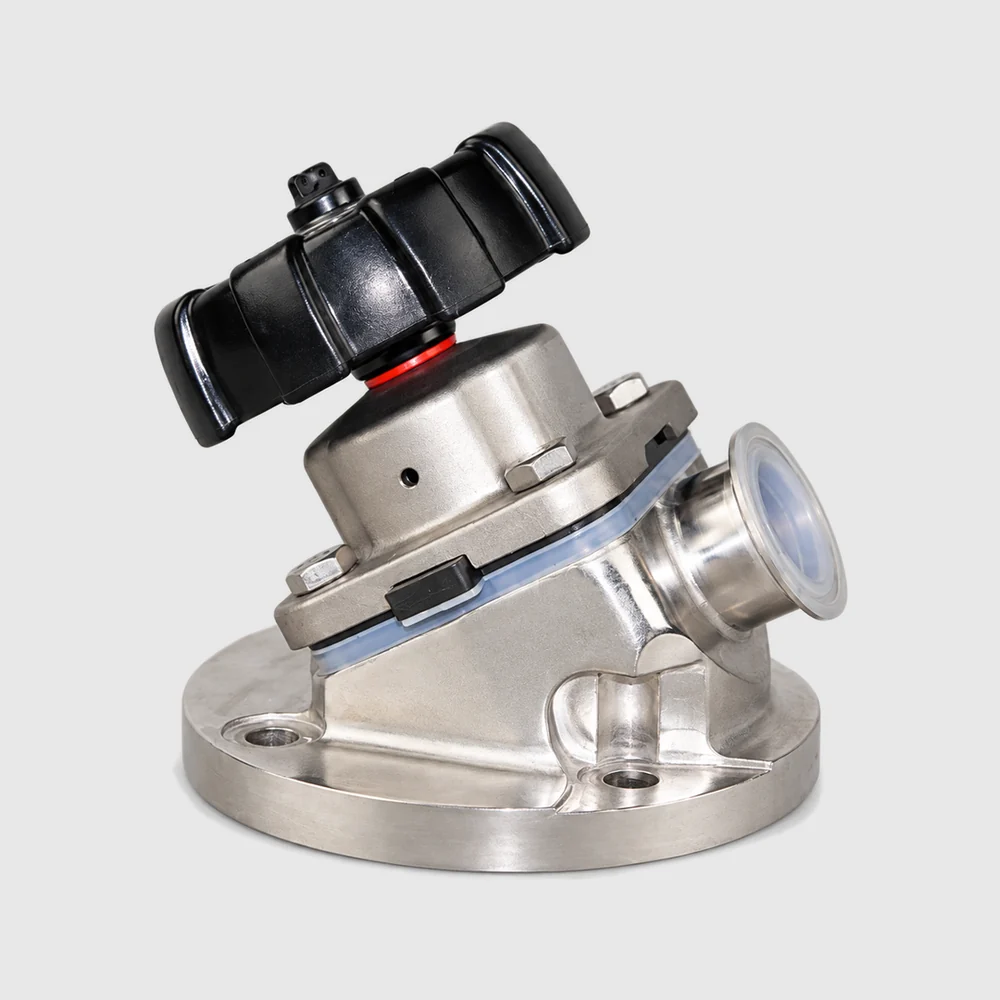
Two special configurations of the PFA-lined Tri-Clamp diaphragm valve. The tee valve builds the valve into a branch point of the line, in DN25 × DN40 or DN25 × DN25 (run × branch); the tank-bottom valve mounts on the outlet at the bottom of a vessel, DN50, with Tri-Clamp or flanged connection. PTFE / EPDM composite diaphragm, -30 to +150 °C, vacuum to 1.0 MPa (at 20 °C), designed to the BPE standard.

  • Tee valve builds the valve into the tee, removing the dead leg of a branch spool
  • Tank-bottom valve mounts on the vessel outlet, shortening the dead leg between vessel and valve
  • High-purity PFA wetted surface; PTFE/EPDM diaphragm isolates the actuator
  • -30 to +150 °C, vacuum to 1.0 MPa (at 20 °C)
  • Tri-Clamp connections, designed to the BPE standard, FDA compliant
  • PFA resin can be specified as an ultra-high-purity grade from a leading international brand; material certificates available
Nominal size
DN25 – DN50
Design pressure
Vacuum to 1.0 MPa (at 20 °C)
Design temperature
-30 to +150 °C
Inlet / outlet connections
Tee: run + branch, all Tri-Clamp
Semiconductor chemical distribution systems (CDS)
Ultrapure fluid lines in wet processing
Display and solar wet processing
Pharmaceutical lines (BPE design)
Vessel bottom drain and discharge
Branch take-off and return lines
Wetted materials
High-purity PFA lining throughout the flow path; PTFE / EPDM composite diaphragm with the PTFE face wetted
Body material
Tee valve outer body 316L stainless / PES; tank-bottom valve outer body 316L stainless; manual actuator cast in 316L stainless
Closure member
PTFE / EPDM composite diaphragm (PTFE wetted face, EPDM backing for resilience)
Seals / O-rings
The diaphragm also isolates the fluid from the actuator above, so the stem and threads never see the fluid
Nominal size
DN25 – DN50; tee (run × branch) DN25 × DN40 and DN25 × DN25, tank-bottom DN50
Inlet / outlet connections
Tee: run + branch, all Tri-Clamp; tank-bottom: bottom outlet, Tri-Clamp or flange
Connection standard
Tri-Clamp, designed to the BPE standard; the tank-bottom valve also comes flanged, with the flange standard confirmed against the vessel nozzle at enquiry
Actuation
Manual; cast 316L stainless manual actuator
Design pressure
Vacuum to 1.0 MPa (at 20 °C); allowable pressure falls as temperature rises, so confirm high-temperature duty when enquiring
Design temperature
-30 to +150 °C
Extractables & cleanliness
High-purity PFA wetted surface; the PFA resin can be specified to suit the cleanliness requirement — an ultra-high-purity grade from a leading international brand, or a cost-effective high-purity grade; material certificates available
Regulatory & validation
FDA compliant; designed to the BPE standard
Form codeNominal sizeConnection codeActuation codeExample part number
TDN25 × DN40CMJY-VLC5T-DN25X40-C-M
TDN25 × DN25CMJY-VLC5T-DN25X25-C-M
BDN50CMJY-VLC5B-DN50-C-M
BDN50FMJY-VLC5B-DN50-F-M

← Swipe to see all columns

T = tee diaphragm valve (size given as run × branch), B = tank-bottom diaphragm valve; C = Tri-Clamp, F = flange (tank-bottom valve only); M = manual.

Note: pressure and temperature limits vary with size, medium and cycling frequency — the higher the temperature, the lower the allowable pressure. For highly permeating chemicals (e.g. concentrated HF, chlorinated solvents), vacuum service or thermal cycling, confirm against your actual conditions.

  • Tee diaphragm valve
    TTee diaphragm valve
  • Tank-bottom diaphragm valve
    BTank-bottom diaphragm valve
Example part number
JY
-VLC5
-T
-DN25X40
-C
-M
JY
JIUNYUAN Technology
VLC5
Manual diaphragm valve, 316L stainless outer body lined with high-purity PFA, PTFE / EPDM composite diaphragm, designed to the BPE standard
T
Tee diaphragm valve
DN25X40
DN25 run × DN40 branch
C
Tri-Clamp
M
Manual
Build your part number

Pick each option and the part number assembles itself; copy it into your RFQ or verify it with the site search.

Part-number structureJY-VLC501-02-03-04
JY-VLC5T-DN25X40-C-MVerify with site search
Selectable options by segment
01

Configuration (appended to series code, required)

CodeSpecification
TTee diaphragm valve
BTank-bottom (bottom-outlet) diaphragm valve

There is no default configuration in this series, so T or B must always be given. e.g. JY-VLC5B-DN50-F-M is the DN50 flanged tank-bottom valve.

02

Nominal size

CodeSpecification
DN25X40DN25 × DN40
DN25X25DN25 × DN25
DN50DN50

DN25X40 and DN25X25 apply to the tee valve only and read run X branch (DN25X40 = DN25 run, DN40 branch); DN50 applies to the tank-bottom valve only. Check the run and branch direction against the piping drawing before ordering.

03

Connection

CodeSpecification
CTri-Clamp
FFlange (HG/T 20592, dimensions per EN 1092-1 PN16)

F (flange) applies to the tank-bottom valve only; the tee valve is Tri-Clamp only. The tank-bottom flange must match the nozzle on the vessel bottom, so give the nozzle specification with your enquiry.

04

Actuation

CodeSpecification
MManual (handwheel / lever)

Not every configuration comes in every size — check the configuration / size table above. Combinations not listed there are made to order.

Not every combination is a stock item; uncommon combinations are made to order. Confirm with JIUNYUAN sales before ordering.

Where it fits

A standard straight-through diaphragm valve sits mid-run, with pipe on both sides. The two valves in this series deal with two awkward spots in a line: the branch point and the bottom of a vessel. Build either of those from a tee fitting, a spool and a straight valve, and the short spool between the tee and the valve becomes a dead leg the flow never reaches — chemical sits in it, cleaning never quite flushes it out, and it carries over into the next batch at changeover.

The tee valve builds the valve into the tee itself, in DN25 × DN40 or DN25 × DN25 (run × branch). The tank-bottom valve mounts on the outlet at the bottom of a vessel, DN50, and exists to keep the dead leg between vessel and valve as short as possible. Both have a high-purity PFA wetted surface and serve chemical delivery in semiconductor chemical distribution systems (CDS), ultrapure fluid lines in wet processing, display and solar wet-process lines, and pharmaceutical lines designed to the BPE standard.

Key characteristics

  • Valve and branch in one body: the tee valve does away with the spool between tee and valve, so the dead leg at the branch shrinks with it — the main difference from a straight valve plus a tee fitting.
  • PTFE / EPDM composite diaphragm: the PTFE face meets the fluid while the EPDM backing provides resilience. The diaphragm also seals the fluid off from the actuator above, so the stem and threads never touch it.
  • PFA inside, metal outside: the flow path is lined with high-purity PFA, so every wetted surface is fluoropolymer, while the 316L stainless outer body (316L stainless / PES on the tee valve) carries the piping loads. The manual actuator is cast 316L stainless.
  • Operating envelope: resistant to acids, alkalis, chemicals and steam; -30 to +150 °C; vacuum to 1.0 MPa (at 20 °C). The PFA resin can be specified to suit the cleanliness requirement — an ultra-high-purity grade from a leading international brand, or a cost-effective high-purity grade — and material certificates are available.

Choosing between options

Start from where the valve goes, then pick the configuration:

LocationConfigurationSize & connection
Branch point (take-off, split or return line)Tee (JY-VLC5T)DN25 × DN40, DN25 × DN25; Tri-Clamp
Vessel bottom drain / dischargeTank-bottom (JY-VLC5B)DN50; Tri-Clamp or flange
Ordinary straight runStraight Tri-Clamp diaphragm valvePFA-lined Tri-Clamp diaphragm valve (pneumatic versions available)

Tee sizes read run × branch: DN25 × DN40 means a DN25 run with a DN40 branch. Check the direction against the piping drawing before ordering — swap run and branch and the valve will not fit. This series is manual only. Where automation is needed, straight runs can use the Tri-Clamp diaphragm valve with normally open or normally closed pneumatic actuation; for automated tee or tank-bottom duty, check with our sales team first.

Operation & change-out

A Tri-Clamp joint seals on the gasket and the clamp. Make sure the gasket matches the ferrule size and sits centred, then tighten the clamp evenly — overtightening squeezes the gasket into the bore and creates a new crevice. If you choose the flanged tank-bottom valve, the flange must match the nozzle on the vessel bottom, so include that with your enquiry.

The diaphragm is the main wear part in this type of valve. Check regularly for weeping and for a handwheel that turns stiffly or no longer shuts off fully. Drain and flush the valve before changing the diaphragm so nobody is exposed to residual chemical. The higher the temperature, the less pressure the PFA lining and diaphragm can take, so check hot, high-pressure duty with our sales team first.

!
PFA still lets some highly permeating chemicals (concentrated HF or chlorinated solvents, for example) through slowly, and frequent thermal cycling makes it worse. For media like these, give the concentration and temperature with your enquiry so they can be assessed during selection.
What does DN25 × DN40 mean on the tee valve?
Tee valve sizes read run × branch, so DN25 × DN40 is a DN25 run with a DN40 branch; the other version is DN25 on both. The part number is JY-VLC5T-DN25X40-C-M. Check the run and branch direction against your piping drawing before ordering.
Can the tank-bottom valve be flanged to the vessel?
Yes. The DN50 tank-bottom valve comes with Tri-Clamp or flanged connection; the flanged part number is JY-VLC5B-DN50-F-M. The flange has to match the nozzle on the vessel bottom, so give the nozzle specification with your enquiry. The tee valve is Tri-Clamp only.
Why use a dedicated valve at a branch or a vessel bottom instead of a tee plus a straight valve?
A tee plus a straight valve leaves a short spool between them that the flow never reaches: chemical sits there, cleaning never quite flushes it, and it carries over into the next batch at changeover. Building the valve into the branch point or vessel bottom is how that dead leg is kept short.
Are pneumatic versions available?
This series is currently manual only, with a cast 316L stainless actuator. For pneumatic control on an ordinary straight run, the PFA-lined Tri-Clamp diaphragm valve is available normally open or normally closed; for automated tee or tank-bottom duty, check with our sales team first.