
Where it fits
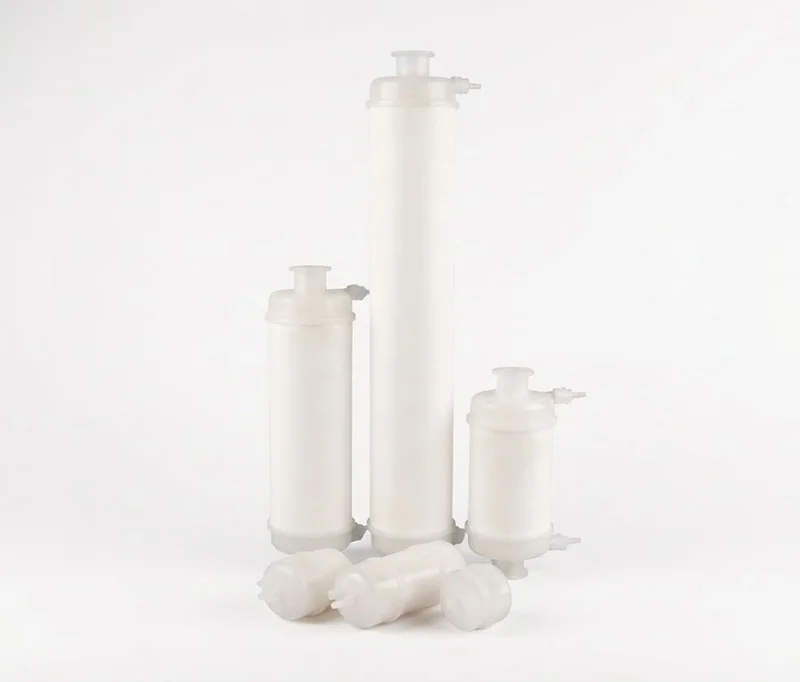
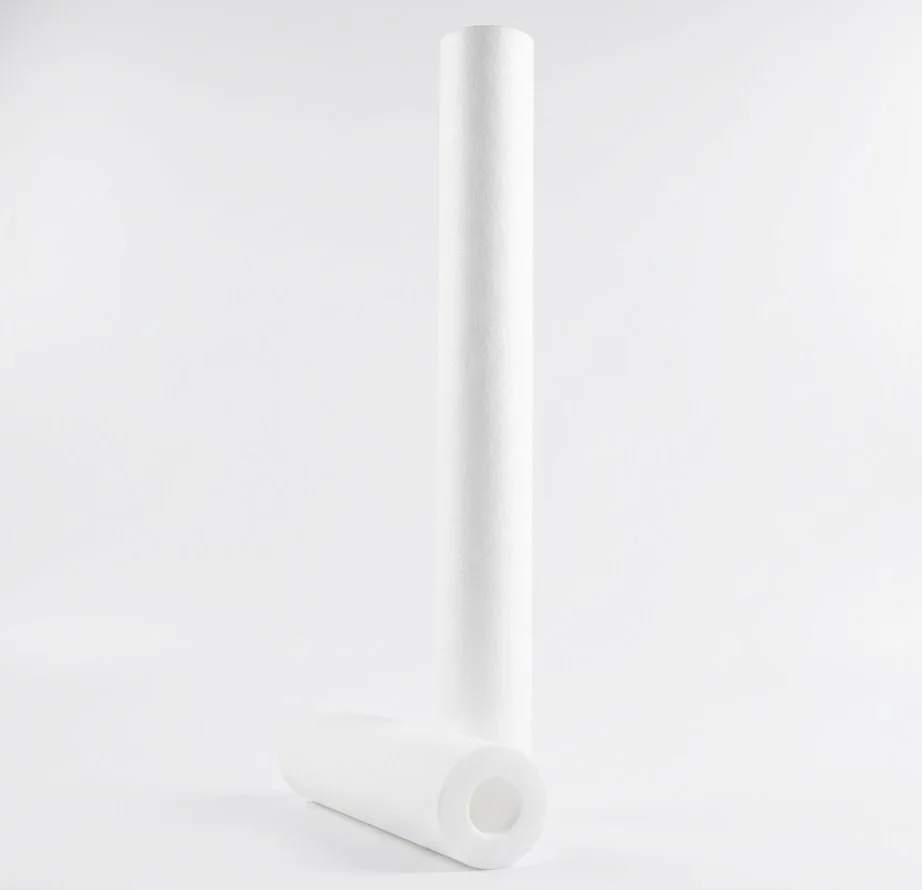
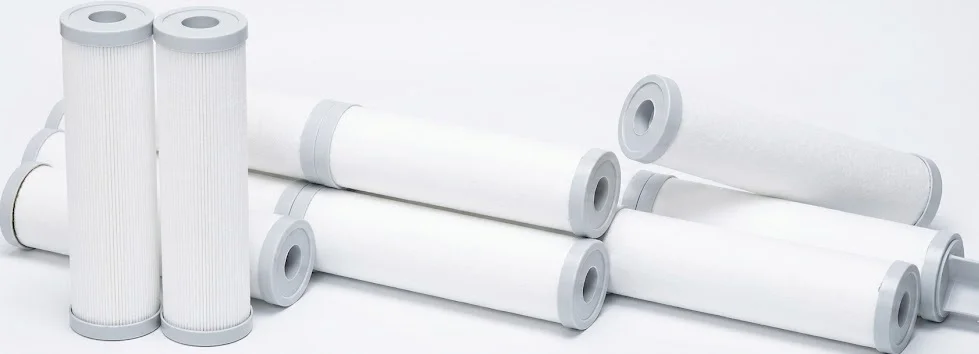
A glass fibre capsule sits ahead of a sterilising-grade final filter: serum pre-filtration, fermentation broth clarification, or any feed with a heavy solids load or high viscosity. Its job is not to make the liquid sterile but to take out the bulk of the load, so the far more expensive final filter downstream does not blind after two or three batches.
Key characteristics
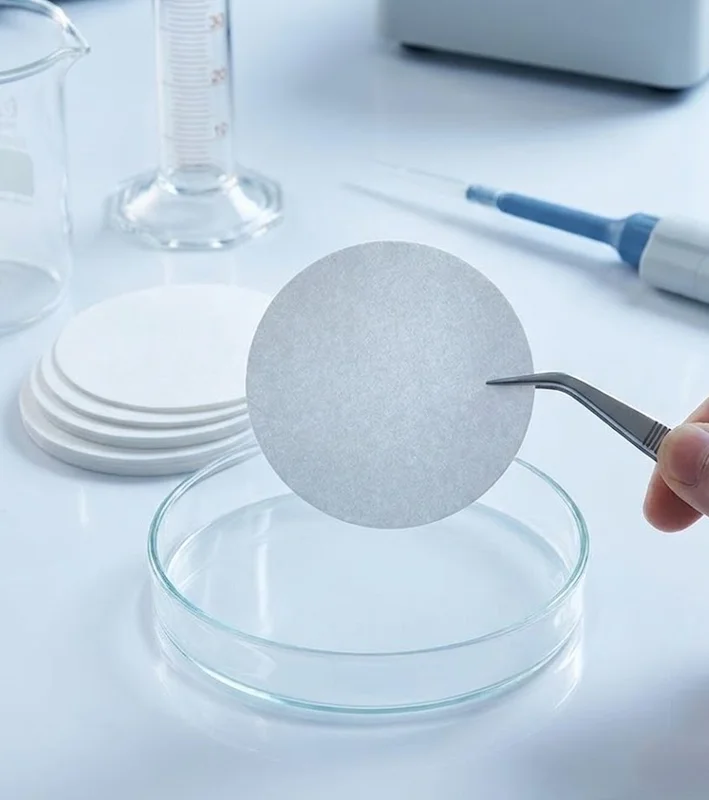
Ultrafine glass fibre forms a three-dimensional pore network that tightens through the thickness, so particles are held across the whole depth instead of piling on the surface. That is why its dirt-holding capacity far exceeds a membrane of the same rating, and why it works so well on colloids and viscous feeds. The fibre layer is retained between polypropylene mesh, so nothing shifts or sheds at high flux.
Depth media is nominally rated and bubble-point integrity testing does not apply to it. Service life is set by dirt-holding capacity rather than membrane area, so the comparison that matters at selection is how much solids it can absorb, not how many square metres it has.
Choosing between options
Three products on this site do pre-filtration duty:
| Product | Media build | Typical rating | Trade-off |
|---|---|---|---|
| Glass fibre capsule (this) | Ultrafine glass fibre, three-dimensional depth | 0.5 – 20 µm nominal | Best dirt-holding on colloids and viscous feeds; temperature and pressure follow the standard capsule shell |
| High-flow PP capsule | Multi-layer polypropylene microfibre, graded pores | 0.1 – 10 µm | Wider operating window (82 °C, 5.2 bar forward) and an electronic grade is available |
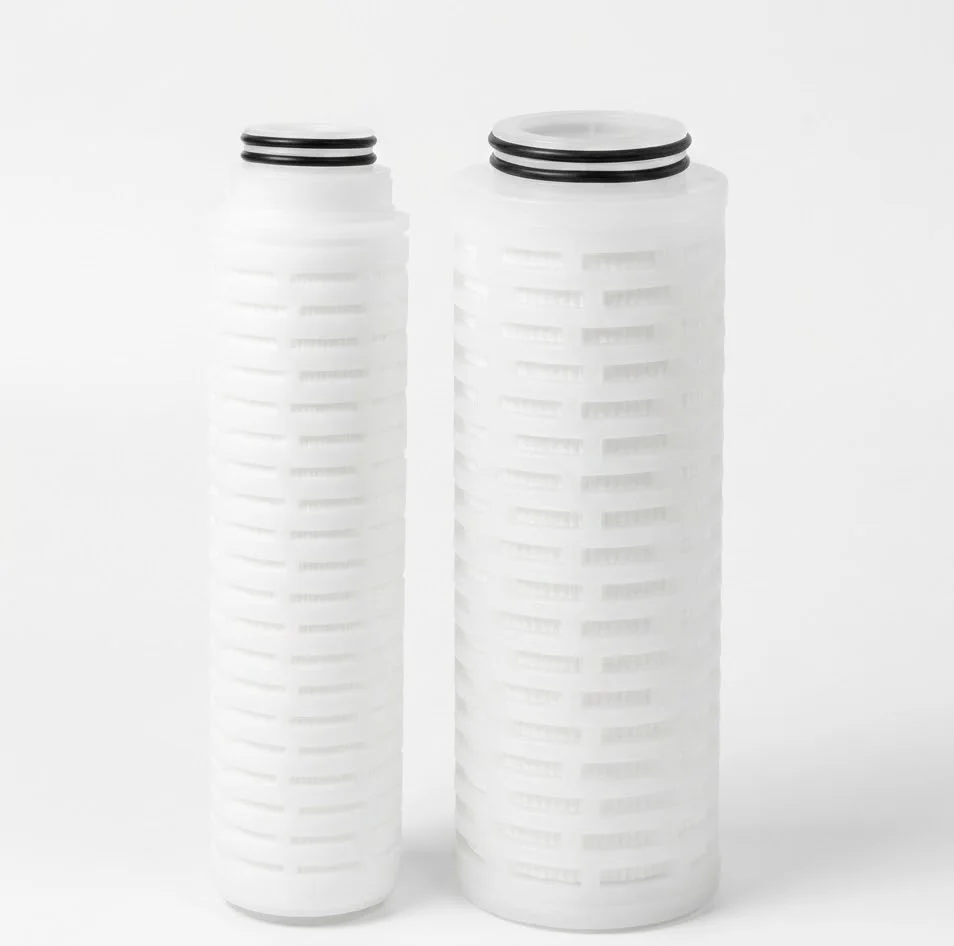
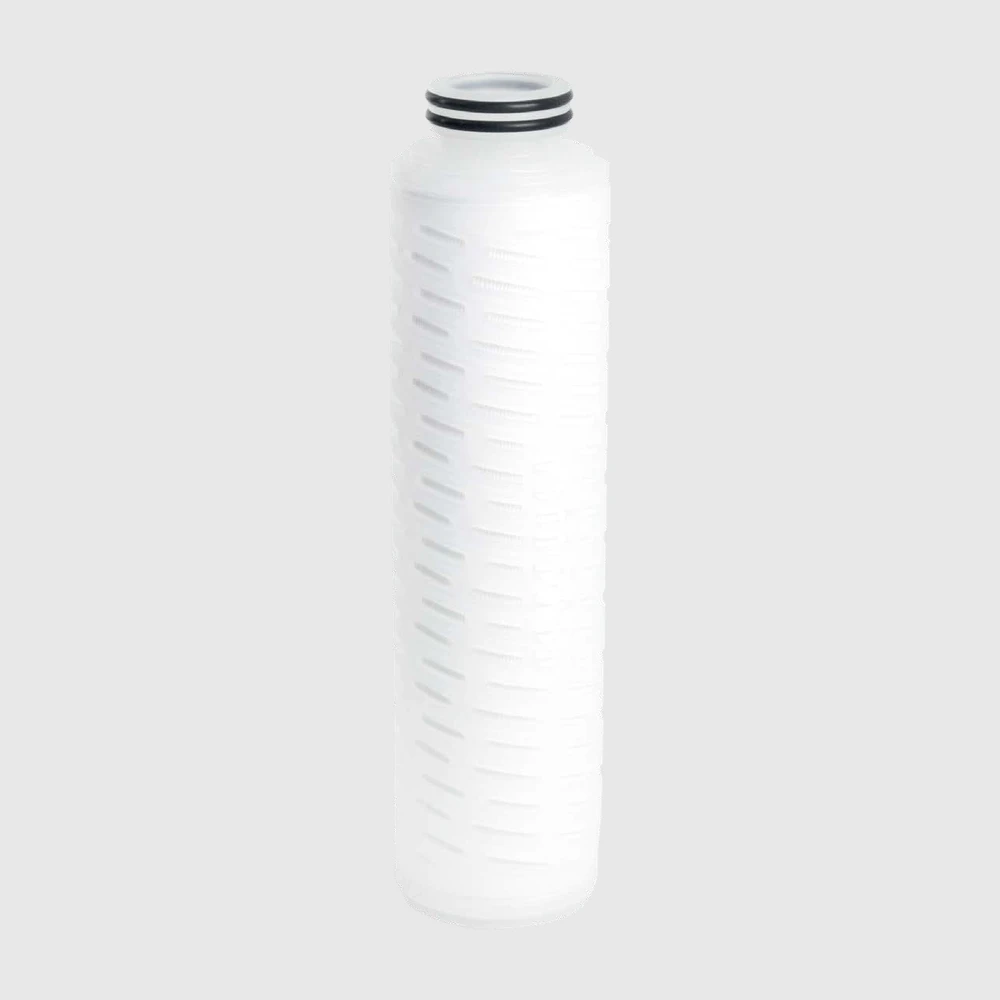
| Glass fibre pleated cartridge | Same media, pleated cartridge format | 0.2 – 10 µm | A fixed line reusing one housing; lower cost per element |
Operation & change-out
Glass fibre is hydrophilic and wets out with aqueous feeds directly; open the vent and purge the air before start-up. Depth media climbs in differential gradually rather than spiking, so judge change-out on both ΔP and flow decay, whichever arrives first.