
Where it fits
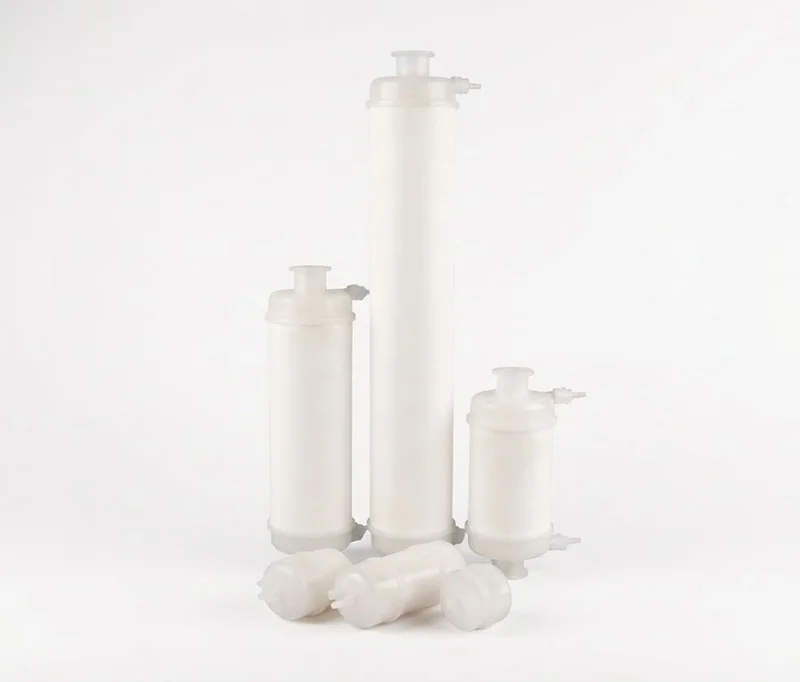
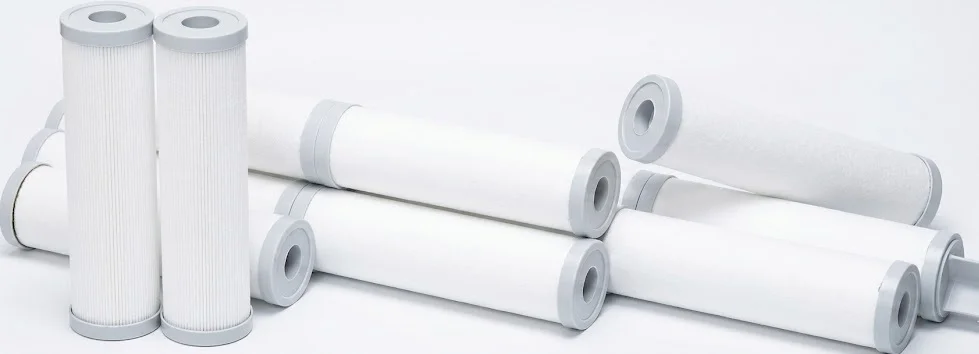
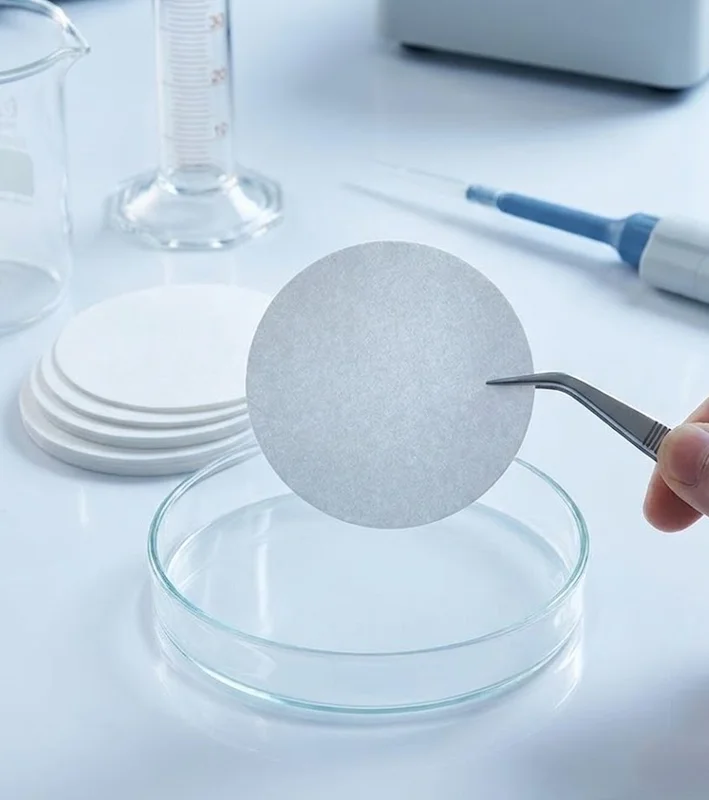
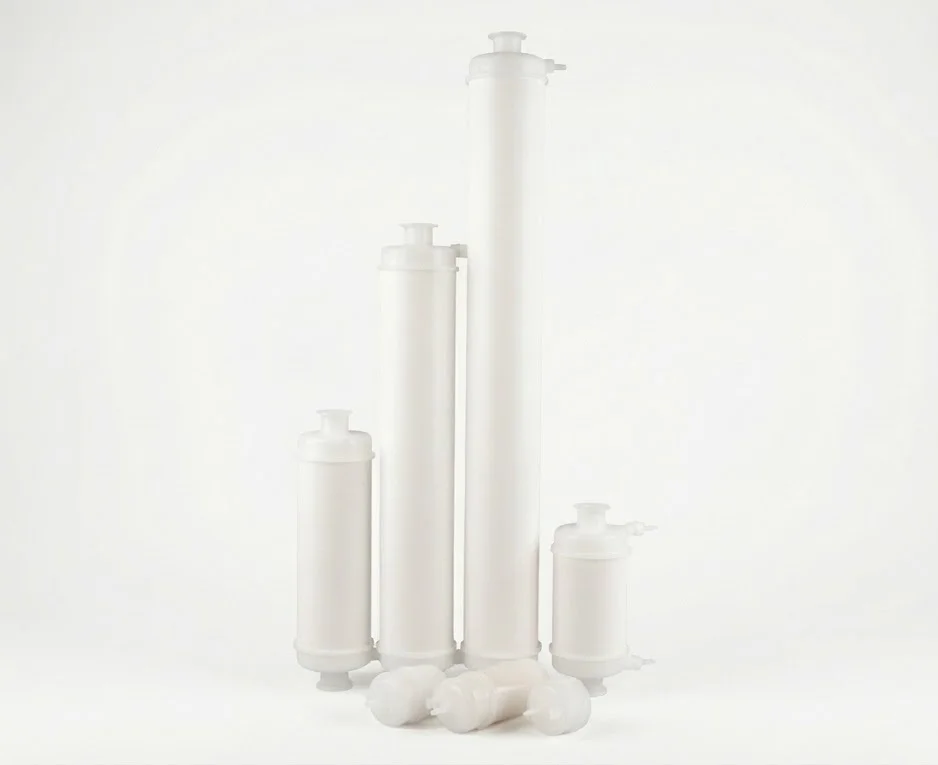
The hydrophilic Nylon 66 capsule handles final filtration of sterile APIs, antibiotics and large- and small-volume parenterals. What makes this duty distinctive is that feeds often alternate between aqueous and solvent systems — an aqueous batch followed by an organic one — so the membrane has to survive both. Nylon 66 is one of the few hydrophilic media that does.
Key characteristics
Nylon 66 is naturally hydrophilic rather than surface-treated, and the difference shows over time: a treated membrane loses its wetting agent gradually through flushing and sterilisation, while a naturally hydrophilic one has nothing to lose and no wetting agent that could turn into an extractable. High mechanical strength and low organic extractables are, in an API process, two sides of the same requirement.
The sterilising grade can be validated for bacterial retention, and the sealed single-use format removes cross-contamination from incomplete cleaning at the root. For small-batch work that changes product frequently, what it saves is cleaning validation time, not just consumable cost.
Choosing between options
Three hydrophilic biopharma capsules, each good at something different:
| Membrane | Rating range | Strength | Watch out for |
|---|---|---|---|
| Nylon 66 (this) | 0.1 – 1.2 µm | Solvent tolerance, low organic extractables, high mechanical strength | No tolerance for strong acids — confirm the pH window first |
| Highly asymmetric PES | 0.05 – 5 µm | Very low non-specific protein binding and high initial flux | Wide rating span; confirm whether the grade chosen is the sterilising one |
| Positively charged Nylon 66 | 0.2 – 1.2 µm | Electrostatic capture of negatively charged endotoxin and colloids | Capture strength depends on feed ionic strength and pH |
Operation & change-out
Naturally hydrophilic, so aqueous feeds go straight on line with no alcohol pre-wetting. When switching to a solvent feed, displace stepwise with that solvent so no water-solvent interface residue is left on the membrane. Cumulative autoclave cycles are limited by the polypropylene shell — keep to the datasheet figure.